What is a continuous filament mat used for
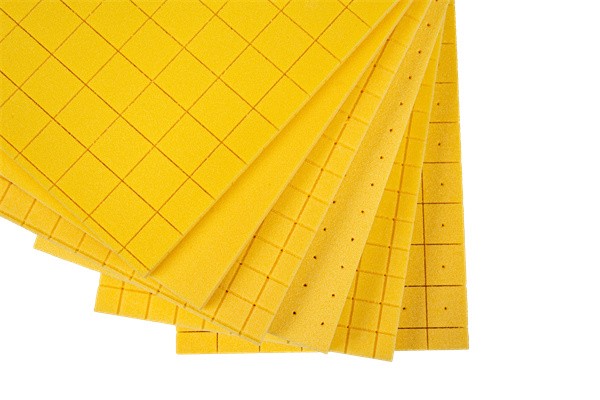
The continuous filament mat (CFM), a high-performance glass fiber reinforcement material, has revolutionized the composites industry with its unique structural properties and versatile applications. Unlike chopped strand mats (CSM), which consist of randomly distributed short fibers, CFM is composed of continuous glass filaments bonded in a random orientation. This design grants it superior tensile strength, dimensional stability, and resin compatibility, making it indispensable in sectors ranging from energy to transportation. This article explores the multifaceted applications of CFM, highlighting its role in enhancing product performance and enabling innovative manufacturing processes.
1.Corrosion-Resistant Infrastructure in Energy and Chemical Industries
CFM’s resistance to chemical degradation and high tensile strength make it ideal for anti-corrosion linings in FRP (Fiber-Reinforced Polymer) pipes and storage tanks. In the oil and gas sector, CFM-reinforced FRP pipes are used to transport corrosive substances like crude oil and wastewater. The mat’s fast resin penetration ensures a uniform resin-rich layer, preventing leaks even under high-pressure conditions. For example, in LNG (Liquefied Natural Gas) ships, CFM is embedded in insulation layers and composite structures to maintain thermal efficiency and structural integrity in cryogenic environments (-162°C). Its ability to withstand rapid temperature fluctuations without cracking has made it a critical component in LNG storage tanks and transportation vessels.
Similarly, in chemical plants, CFM-reinforced FRP grids and cable trays are used to handle aggressive chemicals. The mat’s continuous fibers distribute stress evenly, reducing the risk of localized failure. A study by MATEX Composites demonstrated that CFM-reinforced profiles exhibited 30% higher flexural strength than those using CSM, enabling lighter yet more durable structures.
2.Lightweight Structural Components in Transportation
The transportation industry leverages CFM’s high strength-to-weight ratio to manufacture lightweight, fuel-efficient components. In automotive manufacturing, CFM is used in RTM (Resin Transfer Molding) and vacuum infusion processes to produce bumpers, door panels, and sun visors. For instance, BMW and Tesla incorporate CFM-reinforced composites in their vehicle interiors to reduce weight while maintaining crash safety standards. The mat’s conformability allows it to mold into complex shapes, such as curved car roofs or aerodynamic body panels, without compromising structural integrity.
In aerospace, CFM is a key material for manufacturing aircraft seats and interior panels. Its resistance to fatigue ensures long-term durability under cyclic loading conditions. Airbus and Boeing use CFM-reinforced composites in seat frames to meet stringent safety regulations while reducing aircraft weight by up to 15%. Additionally, CFM’s translucency enables the production of frosted glass-like panels for aircraft windows, enhancing passenger comfort without sacrificing strength.

3.High-Performance Building Materials
CFM’s dimensional stability and resistance to warping make it a preferred choice for architectural applications. In pultrusion processes, CFM-reinforced FRP profiles are used to construct chemical-resistant grids, cable trays, and building facades. Unlike traditional steel, CFM composites do not rust or corrode, extending the lifespan of structures in coastal or industrial environments. For example, the Dubai Metro station utilizes CFM-reinforced FRP panels for its roofing system, combining aesthetic appeal with weather resistance.
CFM is also used in transparent roofing systems and skylights. Its ability to achieve high translucency while maintaining strength allows architects to design energy-efficient buildings with natural lighting. A case study by Hitex Composites showed that CFM-reinforced skylights reduced energy consumption by 25% in commercial buildings by maximizing daylight penetration.
4.Advanced Manufacturing Processes
CFM’s compatibility with multiple resin systems—including polyester, epoxy, and vinyl ester—makes it suitable for various closed-mold techniques. In RTM, CFM’s high porosity ensures rapid resin flow, reducing cycle times by up to 40% compared to CSM. This efficiency is critical in mass production of automotive parts, where manufacturers aim to minimize costs while maintaining quality.
Vacuum infusion processes also benefit from CFM’s uniform fiber distribution, which eliminates voids and ensures consistent mechanical properties. For marine applications, CFM-reinforced hulls exhibit superior impact resistance, absorbing energy during collisions without compromising structural integrity. A boat manufacturer reported a 20% reduction in repair costs after switching to CFM-reinforced composites for their hulls.
Conclusion
The continuous filament mat has emerged as a cornerstone of modern composite manufacturing, enabling the creation of durable, lightweight, and corrosion-resistant products across diverse industries. Its unique combination of continuous fibers, random orientation, and resin compatibility makes it superior to traditional reinforcements like chopped strand mats. From LNG ships to electric vehicles, CFM continues to drive innovation by enhancing product performance, reducing environmental impact, and streamlining production processes. As industries prioritize sustainability and efficiency, the demand for continuous filament mat is expected to grow, solidifying its role as a critical material in the composites industry. Whether in high-stress aerospace applications or everyday automotive components, the continuous filament mat remains a testament to the power of advanced material engineering.