Can I use epoxy resin as waterproofing
Epoxy resin has emerged as one of the most widely discussed materials in modern waterproofing applications, drawing attention from homeowners, industrial operators, and construction professionals alike. For decades, people have relied on traditional waterproofing membranes, cementitious coatings, and bitumen layers to block moisture intrusion, but epoxy resin now offers a compelling alternative that combines seamless coverage, strong adhesion, and long-lasting performance. The core question “Can I use epoxy resin as waterproofing” is not just a simple technical inquiry—it reflects a growing demand for waterproofing methods that can adapt to diverse surfaces, withstand heavy daily use, and reduce the long-term costs of maintenance and reapplication.
Epoxy resin works by forming a continuous, non-porous film after full curing, a property that directly addresses one of the biggest weaknesses of many conventional waterproofing products: tiny gaps and pinholes that allow water to seep through over time. Unlike thin liquid sealants that wear away after a few months of traffic or moisture exposure, properly applied epoxy resin creates a rigid, durable barrier that bonds tightly to the substrate beneath it. This makes epoxy resin suitable for scenarios ranging from residential shower floors and kitchen tabletops to industrial concrete floors, metal storage tanks, and outdoor structural components. However, effective waterproofing with epoxy resin does not happen by accident; it depends on correct material selection, thorough surface preparation, precise mixing, and strict adherence to curing timelines. This article will break down the working mechanism of epoxy resin for waterproofing, its applicable scenarios, critical application steps, performance comparisons with other waterproofing materials, common mistakes to avoid, and final practical recommendations for anyone considering epoxy resin as a waterproofing solution.
How Epoxy Resin Forms a Reliable Waterproof Barrier
The fundamental reason epoxy resin delivers outstanding waterproofing results lies in its unique chemical structure and curing process. When the base resin and hardener are mixed in the correct proportion, a cross-linking chemical reaction begins that transforms the liquid epoxy resin into a solid, high-density polymer network. Unlike water-based coatings that cure through solvent evaporation, fully reacted epoxy resin contains no residual volatile gaps or porous pathways that water molecules can penetrate. Once completely cured, epoxy resin creates a seamless, monolithic layer that covers every inch of the treated surface, eliminating the seams, overlaps, and joints that are the most common failure points in traditional sheet waterproofing membranes.
Epoxy resin also delivers exceptional adhesion strength across a wide range of substrates, which is a critical feature for long-term waterproofing performance. On concrete surfaces, epoxy resin can achieve adhesion strength as high as 5000 psi, meaning the waterproof layer will not peel away even when minor structural shifting occurs in the underlying slab. For metal surfaces like aluminum and stainless steel, epoxy resin forms a tight bond that locks out moisture and oxygen, preventing both water leakage and the corrosion that would otherwise spread beneath the coating. Even on porous materials like wood and certain plastic surfaces, a properly primed layer of epoxy resin can penetrate tiny surface pores and create a firm anchor that stops water from being absorbed into the material. This combination of non-porous structure and high adhesion means epoxy resin does not just sit on top of a surface—it becomes an integrated part of the substrate, creating a waterproof barrier that moves with the material rather than separating from it at the first sign of stress.
Another key waterproofing advantage of epoxy resin is its excellent chemical resistance. Once fully cured, epoxy resin can resist prolonged exposure to water, household cleaning chemicals, mild acids, alkalis, and many common industrial liquids without breaking down or losing its waterproof properties. This makes epoxy resin far more durable than many acrylic sealants, which can degrade after repeated contact with soapy water, cleaning agents, or temperature fluctuations. For areas that are constantly exposed to moisture, such as shower enclosures, bathroom floors, and kitchen wet zones, this resistance ensures the epoxy resin waterproof layer will not develop micro-cracks or lose its non-porous quality after months or years of daily use.
Key Application Scenarios for Epoxy Resin Waterproofing
Epoxy resin is an extremely versatile waterproofing material that performs effectively across a vast range of residential, commercial, and industrial scenarios. In residential spaces, one of the most popular uses of epoxy resin waterproofing is in shower and bathroom areas. When applied correctly over shower walls and floors, epoxy resin creates a completely seamless surface that eliminates grout lines where mold, mildew, and water deposits usually accumulate. Homeowners no longer need to worry about water seeping through tile joints to damage the underlying substrate, because the continuous epoxy resin layer covers the entire surface and directs all water straight toward the drain. This also makes cleaning far simpler, as there are no rough grout pores to trap dirt and soap scum—just a smooth, easy-to-wipe epoxy resin surface that stays hygienic with minimal effort.
Kitchen tabletops and food-contact surfaces represent another high-value application for epoxy resin waterproofing. When formulated as a food-safe grade, epoxy resin creates a non-porous, waterproof top layer that protects wood, stone, or composite tabletops from water damage, staining, and daily wear. Spills of water, juice, cooking oil, and other common kitchen liquids cannot penetrate the epoxy resin layer, so the underlying tabletop material stays protected from warping, rotting, or discoloration. This waterproofing performance also extends to custom furniture pieces, where epoxy resin can seal old, dry wood to prevent moisture absorption from humid environments, extending the service life of the furniture by many years.
For industrial and infrastructure use, epoxy resin waterproofing is widely applied to concrete factory floors, warehouse slabs, water treatment facilities, and underground storage structures. Heavy industrial floors face constant pressure from vehicle traffic, heavy equipment, and frequent spills of water and industrial liquids, and epoxy resin provides a tough, waterproof surface that resists abrasion while blocking moisture from seeping into the concrete. In water storage tanks and underground pipelines, epoxy resin creates a corrosion-resistant waterproof lining that stops water from leaking out and prevents external groundwater from seeping into the structure. Marine-grade epoxy resin, which features UV stabilization and extra impact resistance, is even used on boat decks and waterfront structures, where it delivers reliable waterproofing performance in constantly changing, harsh outdoor conditions.
Epoxy resin waterproofing also works effectively on metal surfaces, from aluminum panels to stainless steel equipment. When properly prepared with light sanding and degreasing, these metal surfaces form a strong bond with epoxy resin, creating a waterproof coating that locks out moisture and prevents rust from forming. This is particularly valuable for outdoor metal structures that are constantly exposed to rain, humidity, and temperature variations, as the epoxy resin layer acts as a permanent barrier between the metal and the corrosive elements in the environment. Even on plastic surfaces that are traditionally difficult to coat, using a specialized primer alongside plastic-specific epoxy resin creates a reliable waterproof layer with adhesion strength strong enough to withstand long-term moisture exposure.
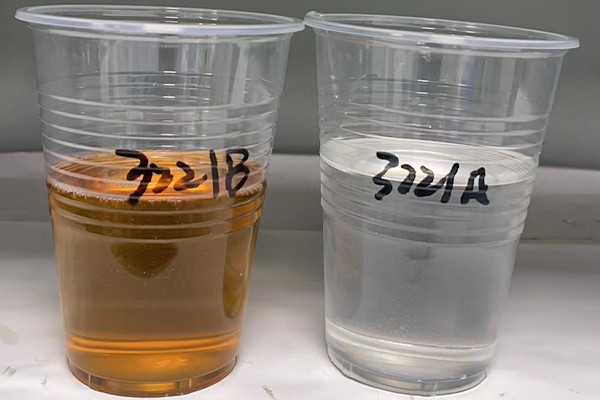
UNION 3221A/B
The 3221A/B Filament Winding System consists of an epoxy resin and an acid anhydride hardener. This system is intended to provide good thermal and chemical Resistance, low viscosity, high fiber bond with ease of processability and long pot-life.
View Product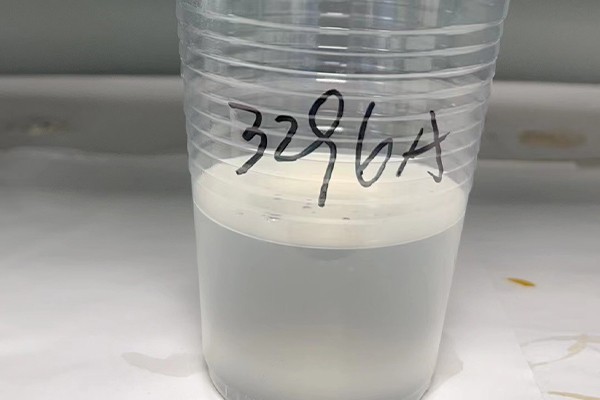
UNION 3296A/BS/BW
3296A/BS/BW is a fast-curing epoxy resin system, consisting of an epoxy resin part 3296A and a modified amine hardener part 3296BS and BW.
View ProductCritical Steps to Ensure Epoxy Resin Delivers Full Waterproof Performance
Even the highest-quality epoxy resin will fail to provide reliable waterproofing if basic application steps are skipped or executed poorly, so following a structured, thorough process is absolutely essential. The very first and most important step is complete surface preparation, because no epoxy resin can form a strong waterproof bond over a surface that is unstable, dirty, or damp. Every substrate, whether it is concrete, tile, wood, or metal, must be fully dry, structurally sound, and completely free of grease, dust, sludge, old peeling paint, and any other contaminants. All visible cracks, expansion joints, and surface defects must be carefully sealed and repaired before any epoxy resin product is applied, because these gaps will become hidden weak points where water can seep through even after the top epoxy resin layer is in place.
For concrete surfaces, wire brushing or mechanical grinding is usually required to remove the weak top laitance layer and expose the solid, strong concrete underneath. This rough, clean surface gives the epoxy resin countless tiny anchor points to bond to, dramatically improving long-term adhesion and preventing the waterproof layer from delaminating over time. For wood surfaces, thorough sanding is needed to create a uniformly smooth, dry surface, and any loose or rotting wood must be removed entirely before epoxy resin application, because epoxy resin cannot restore structural integrity to already damaged material. For metal surfaces, scrubbing followed by a full alcohol wipe is necessary to remove all oil, grease, and oxidation layers, ensuring the epoxy resin can make direct contact with the clean metal surface for maximum waterproof adhesion.
When applying each coat of epoxy resin, it is important to maintain a consistent, even film thickness across the entire surface, using brushes, rollers, or trowels as appropriate for the area size and shape. For projects that require extra reinforcement, a glass wool mesh can be embedded into the first wet coat of epoxy resin, pressing the mesh fully into the resin so it becomes an integrated part of the waterproof layer. This adds extra tensile strength and prevents any potential cracking in the epoxy resin that could create a pathway for water. After each coat is applied, you must wait for the specified recoat interval before applying the next layer—usually between 4 and 12 hours at 25°C, depending on the specific epoxy resin formulation. Rushing this step and applying a new coat too early can cause blistering, poor curing, and permanent defects in the final waterproof layer.
The final, often overlooked step is allowing the epoxy resin to complete its full curing process before exposing the surface to water or heavy use. Most epoxy resin formulations reach an initial touch-dry state within 6 hours and hard dry state within 12 hours, but full mechanical strength and complete waterproof performance only develop after 7 days of full curing at standard room temperature. Many people make the mistake of putting the surface back into use 24 to 72 hours after application, thinking the epoxy resin is fully cured, but at this stage the chemical cross-linking reaction is still incomplete, and early water exposure can damage the not-yet-mature waterproof barrier. Following the manufacturer’s exact curing timeline, and avoiding any water contact or heavy traffic until full curing is complete, ensures the epoxy resin waterproof layer reaches its maximum possible performance and service life.
Performance Comparison: Epoxy Resin vs. Other Common Waterproofing Materials
To fully understand the value of epoxy resin for waterproofing, it is useful to compare its long-term performance against the other most widely used waterproofing options on the market. Traditional sheet waterproofing membranes, for example, rely on overlapping rolls of material to cover a surface, but the seams between each roll are always the weakest point in the system. Over time, temperature fluctuations, minor structural movement, or poor installation can cause these seams to peel apart, creating hidden gaps where water can easily seep through. Epoxy resin, by contrast, forms a single, seamless monolithic layer with zero seams, eliminating this entire category of potential waterproof failure points entirely.
Cementitious waterproof coatings are another common choice, widely used in bathroom and basement construction. While these products are easy to apply and relatively low cost, they remain somewhat porous even after full curing, and their surface can easily develop hairline cracks as the underlying structure shifts. Over a period of several years, water will slowly penetrate through these tiny cracks and pores, leading to hidden moisture damage that is very difficult to locate and repair. Epoxy resin, with its fully non-porous cross-linked structure, provides a far more complete waterproof barrier that remains intact even when minor structural movement occurs, as long as the surface was properly prepared before application.
Acrylic sealants and water-based waterproof sprays are popular for quick, low-cost DIY projects, but their performance lifespan is usually very limited. These thin coatings often wear away after just 1 to 3 years of regular foot traffic, UV exposure, or repeated contact with cleaning chemicals, requiring frequent reapplication to maintain waterproof performance. Epoxy resin, when correctly installed, can deliver reliable waterproof protection for 10 years or more, even in high-traffic, high-moisture environments, making it a far more cost-effective choice over the full lifecycle of the surface. The only scenarios where thinner sealants might be preferable are temporary, low-traffic projects where long-term durability is not a priority.
It is also important to note the differences between standard epoxy resin and other resin-based waterproofing products. While polyurethane coatings offer good flexibility, they do not match the high tensile strength, hardness, and abrasion resistance that epoxy resin provides. This makes epoxy resin far better suited for floors, tabletop, and high-traffic surfaces that need to resist constant impact and wear while maintaining full waterproof performance. Water-based epoxy resin formulations, in particular, offer an eco-friendly alternative that retains all the core waterproofing benefits of solvent-free epoxy resin, with lower volatile emissions and easier application for DIY users who are working on residential indoor projects.
Common Mistakes That Compromise Epoxy Resin Waterproofing Results
Even experienced users can make simple mistakes that turn an epoxy resin waterproofing project into a disappointing failure, and being aware of these common errors can help you avoid unnecessary time, cost, and rework. The first and most frequent mistake is applying epoxy resin over a damp or not fully dry substrate. Many people rush their project and start applying epoxy resin before the underlying concrete, wood, or screed has had sufficient time to dry completely. Trapped moisture beneath the epoxy resin layer will turn into vapor as temperatures rise, creating blisters, bubbles, and delamination that break the continuous waterproof barrier and leave hidden pathways for water to seep through. This is exactly why professional waterproofing standards always require substrates to be 100% dry before any epoxy resin application begins.
Another very common mistake is incorrect mixing of the epoxy resin base and hardener. Every epoxy resin product has a precise, specified mixing ratio, usually provided by weight, and deviating even slightly from this ratio will disrupt the cross-linking chemical reaction. If too little hardener is added, the epoxy resin will never fully cure, remaining sticky, soft, and permanently vulnerable to water damage. If too much hardener is added, the cured epoxy resin will become overly brittle, developing micro-cracks very easily with minor surface movement that destroy the waterproof layer. Many DIY users make the mistake of estimating the ratio by eye instead of using an accurate scale, which is one of the top reasons epoxy resin waterproofing projects fail to meet expectations.
Many people also underestimate the importance of choosing the correct type of epoxy resin for their specific application. Using a general-purpose indoor epoxy resin on an outdoor surface that is exposed to direct UV light will lead to yellowing, brittleness, and premature breakdown of the waterproof layer within a short period of time. Using a standard epoxy resin that is not certified for food contact on a kitchen tabletop intended for direct food exposure creates unnecessary safety risks, and using a non-plastic-grade epoxy resin on polyethylene surfaces will result in almost no adhesion, with the entire waterproof layer peeling away shortly after curing. Taking the time to select the correct epoxy resin formulation that matches your substrate and use case is a small investment that pays off dramatically in long-term waterproof performance.
Finally, many people fail to account for safety precautions when working with epoxy resin for waterproofing. Uncured liquid epoxy resin and its associated fumes can cause skin irritation, respiratory discomfort, and other health risks if proper ventilation and personal protection are not used. Working in a completely enclosed, poorly ventilated space like an underground tank without proper respiratory protection can create extremely hazardous conditions, even for experienced workers. Always ensure your work area has full, continuous ventilation during epoxy resin application and the entire curing period, wear appropriate gloves and eye protection, and never enter a confined space where uncured epoxy resin fumes are accumulating without proper safety equipment and trained support.
Conclusion
So, can you use epoxy resin as waterproofing? The clear answer is yes, epoxy resin is not just a viable waterproofing solution—it is one of the most high-performance, long-lasting options available for a vast range of residential, commercial, and industrial applications. When properly selected, carefully applied, and fully cured, epoxy resin forms a continuous, non-porous, high-adhesion barrier that locks out water, resists chemical damage, and withstands years of heavy daily use far better than most traditional waterproofing materials. The unique cross-linked structure of fully cured epoxy resin eliminates seams, pinholes, and weak points that are the most common causes of waterproofing failure, creating an integrated protective layer that bonds tightly to almost any substrate.
Of course, successful waterproofing with epoxy resin is not automatic. It requires full commitment to thorough surface preparation, correct primer application, accurate mixing of the epoxy resin components, proper layering of coats, and strict adherence to the full curing timeline. Skipping any of these critical steps will compromise the performance of even the highest quality epoxy resin, leading to peeling, cracking, and water intrusion that could have easily been avoided. When these steps are followed correctly, however, epoxy resin delivers a level of seamless, durable waterproof protection that very few other materials can match, reducing long-term maintenance costs and extending the service life of your surfaces for many years. For anyone looking for a reliable, long-term waterproofing solution that works across diverse substrates and demanding use cases, epoxy resin stands out as an exceptionally effective choice that consistently delivers on its performance promises.
FAQ
Q: Can epoxy resin be used as a reliable long-term waterproofing material for shower floors?
A: Yes, epoxy resin is an excellent choice for shower floor waterproofing. When fully cured, epoxy resin forms a completely non-porous, seamless barrier that eliminates gaps and grout lines where water usually seeps through. Properly applied epoxy resin bonds tightly to the substrate, resists constant exposure to soapy water and cleaning agents, and maintains its waterproof performance for 10 years or more without peeling or developing micro-cracks.
Q: What is the minimum curing time required for epoxy resin to reach full waterproof performance?
A: Most standard epoxy resin formulations reach a touch-dry state within 6 hours and a hard-dry state within 12 hours at 25°C, but full waterproof performance only develops after 7 days of complete curing. Even if the epoxy resin feels solid to the touch after 24 to 72 hours, the cross-linking chemical reaction is still incomplete. Exposing the uncured epoxy resin to water before full curing can damage the barrier and permanently reduce its waterproof effectiveness.
Q: Can I apply epoxy resin directly over damp concrete for waterproofing?
A: No, you should never apply epoxy resin to damp or incompletely dry concrete. Trapped moisture beneath the epoxy resin layer will turn into vapor as temperatures rise, creating blisters, bubbles, and delamination that break the continuous waterproof barrier. Before applying any epoxy resin for waterproofing, ensure the concrete substrate is 100% dry, structurally sound, and completely free of grease, dust, and loose surface contaminants.
Q: Will epoxy resin waterproofing break down when exposed to direct outdoor sunlight?
A: Standard general-purpose epoxy resin will gradually yellow, become brittle, and lose its waterproof performance under prolonged direct UV exposure. For outdoor waterproofing projects, you must select a UV-stabilized outdoor-grade epoxy resin formulation. This specialized epoxy resin retains its non-porous structure and waterproof properties even after years of exposure to sunlight, temperature fluctuations, and rain.
Q: What common mistake most often causes epoxy resin waterproofing to fail?
A: The most frequent cause of epoxy resin waterproofing failure is incorrect mixing of the resin base and hardener. Every epoxy resin product has a precise weight-based mixing ratio, and even small deviations will disrupt the cross-linking reaction. Too little hardener leaves the epoxy resin permanently soft and sticky, unable to block water effectively, while too much hardener makes the cured epoxy resin overly brittle, leading to easy cracking that destroys the waterproof barrier. Always use an accurate scale instead of visual estimation to measure epoxy resin components.
- Next: What is PVC Foam Board