What is PVC Foam Board
Introduction to PVC Foam Board
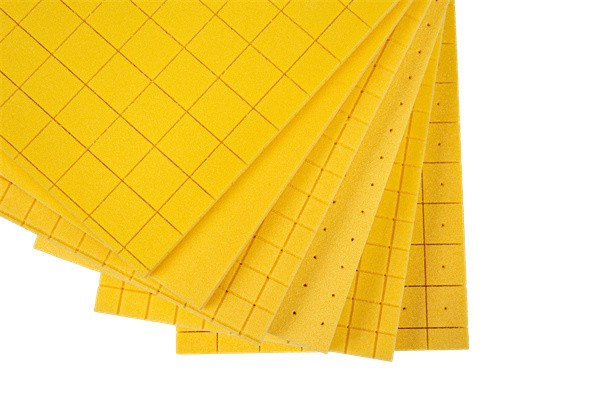
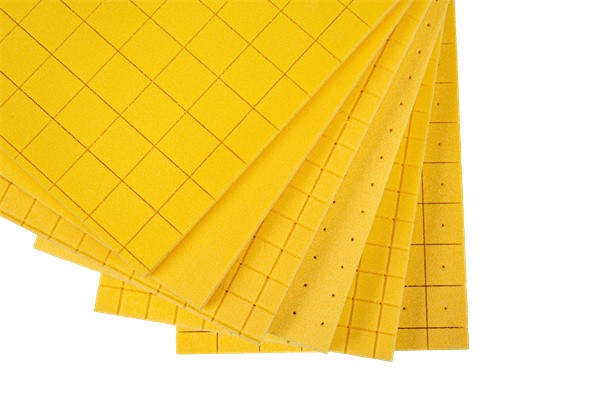
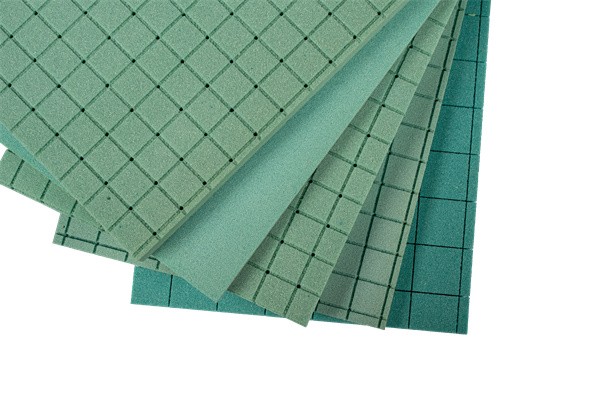
PVC foam board, also widely known as PVC foam sheet or expanded PVC panel, is a lightweight, rigid, and versatile material manufactured through the foaming process of polyvinyl chloride resin. Over the past few decades, PVC foam has gradually become one of the most popular engineering and decorative materials across numerous industries, replacing many traditional materials such as solid wood, plywood, and pure rigid PVC in countless applications. Unlike dense PVC sheets that are heavy and difficult to process, PVC foam board introduces a uniform cellular structure inside the material, which drastically reduces its overall density while maintaining excellent physical strength and durability. This unique combination of properties makes PVC foam suitable for both indoor and outdoor environments, and it has gained massive recognition among designers, fabricators, and construction professionals worldwide. The widespread use of PVC foam can be seen in signage production, building decoration, furniture manufacturing, transportation, and many other fields, proving that this material is far more than a simple alternative to traditional panels.
Core Manufacturing Process of PVC Foam Board
The production of PVC foam board begins with carefully selected polyvinyl chloride resin as the base material, combined with stabilizers, lubricants, foaming agents, and other necessary additives. All these raw materials are mixed in a high-speed mixing system to form a homogeneous compound before being fed into an extruder. Inside the extruder, the material is heated to a precise temperature range to ensure the PVC resin melts completely and blends evenly with all additives. At this stage, the foaming agent starts to decompose and release gas, which creates millions of tiny, closed cells inside the molten PVC mixture. This step is the key to forming the lightweight structure that defines PVC foam.
After the extrusion process, the semi-finished PVC foam material goes through a calibration and cooling system to control its thickness, flatness, and overall dimensions accurately. The controlled cooling process also ensures that the cellular structure inside the PVC foam remains uniform and consistent across the entire board, preventing issues such as uneven density or surface deformation. Once cooled and solidified, the continuous PVC foam sheet is cut into standard sizes according to customer requirements, and the edges are trimmed to achieve a smooth, neat finish. Different production parameters can be adjusted during this process to produce PVC foam boards with varying densities, surface hardness, and mechanical properties, allowing manufacturers to create products tailored for specific application scenarios.
Key Physical and Chemical Properties of PVC Foam
One of the most outstanding properties of PVC foam board is its extremely low density compared to solid PVC, with most common products ranging from 0.3 g/cm³ to 0.7 g/cm³. This low density makes PVC foam very easy to carry, cut, and install, significantly reducing labor costs and transportation expenses during construction or fabrication. Despite being lightweight, high-quality PVC foam still maintains impressive rigidity and impact resistance, so it does not easily dent or break under normal mechanical stress.
Another critical advantage of PVC foam is its excellent water and moisture resistance. Unlike wood or fiberboard that will swell, warp, or rot after prolonged exposure to water, the closed-cell structure of PVC foam prevents water from penetrating into the internal part of the board. This property makes PVC foam an ideal choice for humid environments such as bathrooms, kitchens, and outdoor areas where traditional wood-based materials would quickly fail. In addition, PVC foam also features good chemical corrosion resistance, meaning it can withstand exposure to many common acids, alkalis, and household chemicals without showing signs of degradation.
Fire performance is another notable characteristic of PVC foam. Since polyvinyl chloride resin inherently contains chlorine elements, properly formulated PVC foam board has self-extinguishing properties, which means it will not continue to burn once the fire source is removed. This safety feature makes PVC foam a preferred material in public spaces and commercial buildings where fire safety standards are strictly enforced. Moreover, PVC foam has very low thermal conductivity, giving it certain thermal insulation capabilities that can help reduce energy consumption for heating and cooling in buildings.
Common Processing Methods for PVC Foam Board
PVC foam is famous for its excellent machinability, which allows it to be processed with almost all traditional woodworking tools without requiring specialized expensive equipment. Fabricators can easily cut PVC foam boards using saws, knives, or laser cutting machines to create complex shapes, precise notches, and custom designs according to different project needs. Unlike hard materials that produce a lot of dust or dangerous debris during cutting, processing PVC foam generates relatively clean and manageable waste, making the working environment much more pleasant for operators.
Drilling and milling are also very straightforward operations for PVC foam. Workers can use standard drill bits to create clean, smooth holes on PVC foam boards without worrying about the material cracking or chipping around the hole edges. This makes it very convenient to install screws, bolts, or other fasteners directly onto PVC foam panels. For surface treatment, PVC foam can be perfectly bonded with various types of adhesives, and it can also be seamlessly welded using hot air welding equipment, which is widely used in the production of waterproof structures and chemical storage facilities.
Printing and painting are other common processing methods that greatly expand the application scope of PVC foam. The smooth and flat surface of high-quality PVC foam board can directly accept screen printing, UV printing, and digital printing, allowing users to add high-resolution graphics, text, and colorful designs on the surface without additional special treatment. Many advertising companies choose PVC foam as their primary substrate for display boards and promotional signage precisely because the printing effect on PVC foam is bright, durable, and long-lasting. People can also paint or coat PVC foam with different colors and textures to achieve the exact decorative effect they desire.
Major Application Areas of PVC Foam
The advertising and signage industry is one of the largest consumers of PVC foam board in the world. Due to its lightweight nature, excellent printing performance, and weather resistance, PVC foam is widely used to make display boards, billboards, exhibition panels, letter signs, and point-of-sale displays. Many shopping malls, exhibition centers, and retail stores use PVC foam signage because these panels are easy to install, look clean and professional, and can maintain their good appearance for a very long time even when placed in busy public areas. Outdoor advertising signs made from high-density PVC foam can resist sun exposure, rain, and temperature changes for several years without fading or deforming.
In the construction and decoration industry, PVC foam has become an extremely popular material for interior and exterior wall panels, ceiling boards, partition walls, skirting lines, and window frames. Builders and decorators favor PVC foam because it does not require regular painting or maintenance like natural wood, and it can still provide a similar decorative effect with much lower long-term costs. The moisture-proof property of PVC foam makes it particularly suitable for use in bathroom cabinets, kitchen cabinets, and outdoor furniture, where traditional wood would quickly deteriorate under humid conditions. Many modern architectural projects also use PVC foam as insulation panels to improve the building's energy efficiency while reducing the overall structural load.
The furniture manufacturing industry has also embraced PVC foam as a core material for producing lightweight, waterproof, and environmentally friendly furniture. Unlike traditional particleboard or MDF that contains formaldehyde and other harmful substances, high-quality PVC foam furniture boards have very low volatile organic compound emissions, making them much safer for indoor living environments. Designers can use PVC foam to create all kinds of custom furniture, including wardrobes, tables, chairs, and decorative panels, which are not only light and easy to move but also resistant to scratches, stains, and daily wear. In addition, the transportation industry uses PVC foam to make interior decoration panels for buses, trains, and ships, taking advantage of its lightweight, fire-resistant, and easy-to-clean properties.
Maintenance and Environmental Considerations of PVC Foam
Maintaining PVC foam board in good condition is extremely simple and requires almost no special care. Daily cleaning can be done using a soft cloth and ordinary neutral detergent, and there is no need for special waxing, painting, or sealing treatment like what is required for natural wood. Stains on the surface of PVC foam can usually be wiped away effortlessly without leaving permanent marks, which greatly reduces the time and cost of long-term maintenance. Even for PVC foam products that have been used outdoors for many years, a simple annual cleaning can make them look almost as good as new.
When it comes to environmental aspects, modern PVC foam production technology has made significant progress in reducing energy consumption and harmful emissions. Many manufacturers now use lead-free stabilizers and environmentally friendly additives in the production process, making the final PVC foam products much safer for human health and the surrounding environment. PVC foam is also a highly recyclable material. Waste PVC foam boards can be collected, crushed, and reprocessed into new raw materials for producing new PVC products, which effectively reduces plastic waste and promotes the circular economy. Compared with natural wood that requires decades of forest growth, the production of PVC foam consumes much less natural forest resources, which helps to protect global forest coverage and biodiversity.
Conclusion
In summary, PVC foam board is an innovative, high-performance material that combines lightweight structure, excellent durability, easy processing, and wide application versatility. From its carefully controlled manufacturing process that creates a uniform cellular structure to its outstanding properties including water resistance, fire resistance, and chemical corrosion resistance, every characteristic of PVC foam makes it stand out among traditional panel materials. Whether it is used in advertising signage, architectural decoration, furniture manufacturing, or transportation, PVC foam has proven its irreplaceable value by providing practical, cost-effective, and long-lasting solutions for countless different industries. As technology continues to advance, the quality of PVC foam products will keep improving, and their application scope will continue to expand, bringing more convenience and innovation to modern society. Undoubtedly, PVC foam will remain one of the most important and promising materials in the global material market for many years to come.
FAQ
Q: What is the difference between free-foam PVC foam board and Celuka surface-hardened PVC foam board?
A: Free-foam PVC foam board has a fully foamed structure from the core to the surface, with a matte and soft-touch finish, making it ideal for engraving and fine detail processing. Celuka PVC foam board features a dense, hardened outer skin on both sides while retaining a lightweight foamed core, which delivers higher surface hardness, better scratch resistance, and stronger overall structural rigidity. This makes the Celuka type more suitable for applications that require frequent contact, such as cabinet panels and outdoor decorative boards.
Q: Can PVC foam board be used in outdoor environments for a long time without obvious aging?
A: Standard PVC foam board can maintain stable performance for 3 to 5 years in ordinary outdoor conditions. If you need longer outdoor service life, you can choose UV-stabilized PVC foam products. This specially formulated PVC foam adds anti-ultraviolet additives during production, which effectively reduces yellowing, brittleness, and performance degradation caused by long-term sun exposure, extending its outdoor service life to more than 8 years.
Q: What thickness of PVC foam board is most suitable for making advertising display signage?
A: For general indoor hanging display boards, 3mm to 5mm thick PVC foam board is the most cost-effective choice, as it is light enough to reduce the load on the hanging structure while maintaining good flatness. For outdoor standing signage or large independent display panels, it is recommended to choose 10mm to 18mm thick PVC foam board. This thicker PVC foam has sufficient rigidity to prevent deformation and warping under the influence of wind and temperature changes.
Q: Is PVC foam board waterproof enough for direct use in bathroom and kitchen cabinet panels?
A: High-quality closed-cell PVC foam board is completely waterproof and moisture-proof, and it will not absorb water, swell, or get mildewed even if it is exposed to humid air or splashed water for a long time. Unlike traditional wood-based boards that will deteriorate quickly in humid environments, PVC foam is an ideal material for bathroom and kitchen cabinets. For long-term contact with water areas, you can further seal the board edges with waterproof sealant to achieve a more reliable protection effect.
Q: Can common household tools be used to cut and process PVC foam board at home?
A: Yes, PVC foam board has excellent machinability, and you do not need to use professional industrial equipment for basic home processing. Ordinary hand saws, utility knives, electric drills, and circular saws can all easily cut PVC foam. When cutting thin PVC foam boards, you can even use a utility knife to score the surface first and then break it along the scored line, which can get a very neat cutting edge without producing a large amount of dust.