how strong is pvc foam board
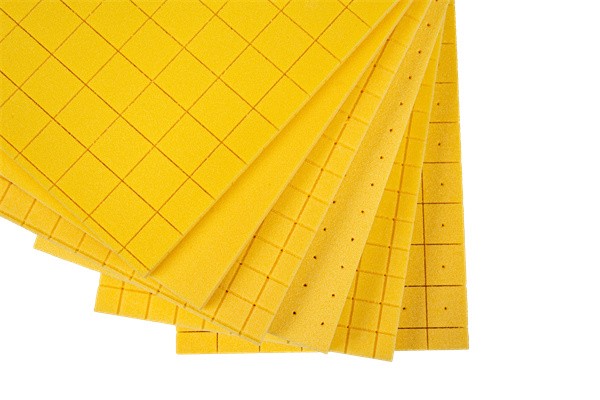
PVC foam board, also known as PVC foam sheet or snowboard, has emerged as a versatile material in industries ranging from construction to advertising. Its strength properties, combined with lightweight characteristics and durability, make it a preferred alternative to traditional materials like wood, metal, or acrylic. This article explores the mechanical and structural strength of PVC foam board, analyzing its composition, performance metrics, and real-world applications.
1.Composition and Manufacturing Process
PVC foam board is engineered through a chemical foaming process that blends polyvinyl chloride (PVC) resin with additives such as stabilizers, foaming agents, and fillers. The mixture is extruded into molds, where it expands to form a cellular structure. This closed-cell design enhances rigidity while reducing weight.
Two primary manufacturing methods dominate the market:
Free Foam Process: Produces a softer, more flexible board with a lower density (0.4–0.6 g/cm³).
Celuka (Skinning) Process: Creates a harder, denser outer layer with a smoother finish, ideal for high-impact applications.
The choice of process influences the board’s tensile strength, impact resistance, and dimensional stability. For instance, Celuka-processed PVC foam exhibit a bending strength of up to 45.6 MPa, making them suitable for load-bearing structures.
2.Mechanical Strength Metrics
Tensile and Flexural Strength
PVC foam board demonstrates impressive tensile strength, typically ranging from 20–30 MPa depending on density and thickness. Its flexural modulus—a measure of stiffness—reaches 2,500–3,500 MPa, allowing it to resist bending under pressure. This property is critical in applications like signage, where boards must withstand wind loads without deforming.
Impact Resistance
The material’s closed-cell structure absorbs and dissipates energy efficiently. Tests show that PVC foam boards can endure 1–2 Joules of impact energy without cracking, outperforming acrylic and some composite materials. This resilience makes it ideal for protective packaging, marine components, and outdoor displays.
Dimensional Stability
PVC foam core board exhibits minimal thermal expansion, with a coefficient of linear expansion of approximately 8×10⁻⁵/°C. This stability ensures that boards maintain their shape across temperature ranges from -50°C to 70°C, a key advantage in climates with extreme weather variations.
3.Comparative Analysis with Other Materials
When stacked against alternatives, PVC foam board’s strength-to-weight ratio shines:
Wood: While wood offers higher compressive strength, PVC foam board is 30–50% lighter and resistant to moisture, rot, and pests.
Aluminum: Lighter than aluminum, PVC foam board provides comparable rigidity at a fraction of the cost, making it cost-effective for large-scale projects.
Acrylic: Though acrylic boasts higher transparency, PVC foam board surpasses it in impact resistance and ease of fabrication.

4.Real-World Applications and Case Studies
Construction and Interior Design
PVC foam board’s strength and moisture resistance make it a go-to material for bathroom partitions, kitchen cabinets, and ceiling tiles. A 2024 study by the Hunan Sign Industry Association found that 2.2mm-thick PVC foam boards used in roofing systems withstood 10 cycles of -5°C drop-hammer impacts without fracturing, proving their durability in harsh conditions.
Advertising and Signage
The material’s printability and structural integrity enable the creation of large-format billboards and 3D displays. For example, a 10mm-thick PVC foam board used in a coastal advertising campaign endured salt spray and UV exposure for 18 months with negligible degradation.
Transportation and Marine Industries
Its buoyancy and impact resistance have led to adoption in boat interiors and cargo liners. A 2025 case study by a leading marine supplier reported that PVC foam board components reduced maintenance costs by 40% compared to traditional plywood alternatives.
5.Limitations and Considerations
Despite its strengths, PVC foam board has limitations:
UV Sensitivity: Prolonged exposure to sunlight can cause yellowing. UV-stabilized variants mitigate this issue but may increase costs.
Temperature Thresholds: While resistant to moderate heat, the material softens above 70°C, limiting its use in high-temperature environments.
Chemical Exposure: Strong solvents can degrade the surface, necessitating protective coatings in industrial settings.
Conclusion
PVC foam board’s strength lies in its balanced combination of rigidity, lightweight design, and durability. Its ability to withstand mechanical stress, environmental factors, and chemical exposure positions it as a robust solution for diverse applications. While not a replacement for high-performance engineering materials, PVC foam board offers unmatched value in cost-sensitive projects where longevity and ease of use are paramount. As manufacturing techniques evolve, the material’s strength properties will likely improve, further cementing its role in modern industry. For projects demanding reliability without compromise, PVC foam board remains a compelling choice.