what is pvc foam
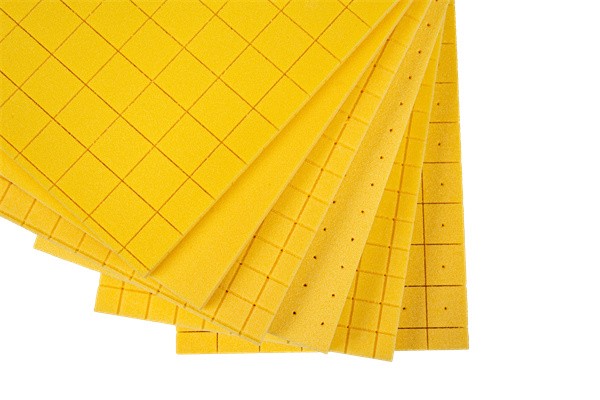
PVC foam, short for Polyvinyl Chloride foam, is a lightweight and versatile material engineered by combining PVC resin with chemical additives like blowing agents, stabilizers, and lubricants. Through a controlled extrusion or molding process, the mixture expands into a cellular structure, creating a material with unique mechanical, thermal, and chemical properties. This innovation has revolutionized industries ranging from construction to automotive manufacturing, offering a cost-effective alternative to traditional materials while maintaining durability and performance.
Composition and Manufacturing Process
The core of PVC foam lies in its polymer matrix. PVC resin, a thermoplastic derived from vinyl chloride monomers, forms the structural backbone. To induce foaming, pvc foam manufacturer incorporate chemical blowing agents such as azodicarbonamide (ADC), which decompose under heat to release nitrogen or carbon dioxide gas. These gases create microscopic bubbles within the PVC matrix, forming a closed-cell or open-cell structure. The choice between closed-cell and open-cell configurations depends on the application: closed-cell PVC foam, with its airtight bubbles, offers superior water resistance and insulation, while open-cell variants provide breathability and shock absorption.
Additional additives enhance processability and performance. Stabilizers prevent thermal degradation during processing, while lubricants reduce friction in extrusion equipment. Colorants, flame retardants, and UV stabilizers may also be added to meet specific functional or aesthetic requirements. The manufacturing process typically involves blending these components, extruding the mixture through a die, and applying heat to activate foaming. This results in sheets, tubes, or profiles with tailored densities, thicknesses, and textures.
More Details, please refer to article: 《What is PVC Foam and Why PVC Foam?》

Key Properties and Applications
PVC foam’s appeal stems from its balanced property profile. With densities ranging from 45 kg/m³ to 400 kg/m³, it bridges the gap between rigid plastics and soft foams. Key advantages include:
1.Lightweight and Strong: Despite its low density, PVC foam exhibits high compressive strength, making it ideal for structural applications like sandwich panels or automotive bumpers.
2.Thermal and Acoustic Insulation: Closed-cell PVC foam effectively blocks heat transfer and sound waves, earning use in HVAC systems, building insulation, and noise barriers.
3.Chemical Resistance: Its resistance to acids, alkalis, and solvents makes it suitable for chemical storage tanks, marine components, and industrial gaskets.
4.Weatherability: UV-stabilized formulations resist degradation from sunlight, ensuring longevity in outdoor applications such as signage, roofing, and cladding.
5.Workability:PVC foam can be cut, drilled, thermoformed, or adhesively bonded, offering flexibility in fabrication.
These properties drive adoption across diverse sectors. In construction, PVC foam serves as insulation, waterproofing membranes, and decorative panels. The automotive industry uses it for interior trim, vibration damping, and lightweight body components. Advertising and display sectors leverage its printability and dimensional stability for signs, exhibits, and point-of-purchase displays.

Challenges and Innovations
Despite its advantages, PVC foam core faces environmental scrutiny due to PVC’s reliance on chlorine and potential halogen emissions during combustion. However, advancements in formulation have mitigated these concerns. Non-phthalate plasticizers, bio-based additives, and recyclable PVC foam grades now align with sustainability goals. Additionally, hybrid PVC-polyurea foams combine the rigidity of PVC with the flexibility of polyurea, expanding applications in high-impact environments.
Conclusion
PVC foam represents a triumph of materials engineering, harmonizing lightweight design with robust performance. Its adaptability across industries—from construction to consumer goods—underscores its value as a multifunctional solution. As innovations in eco-friendly formulations and processing techniques continue, PVC foam’s role in sustainable development and advanced manufacturing will only grow. Whether as insulation, structural components, or decorative elements, PVC foam remains a cornerstone of modern material science, proving that versatility and durability can coexist in a single, innovative material.