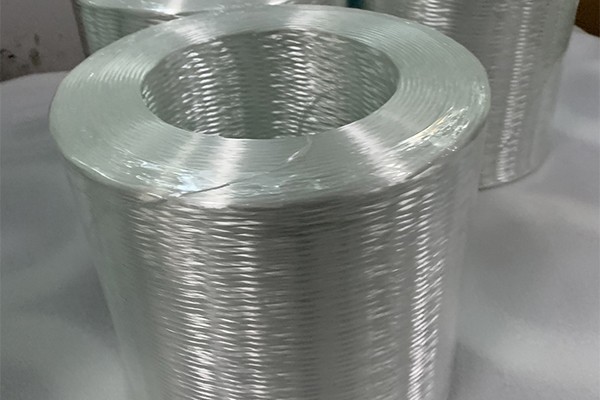
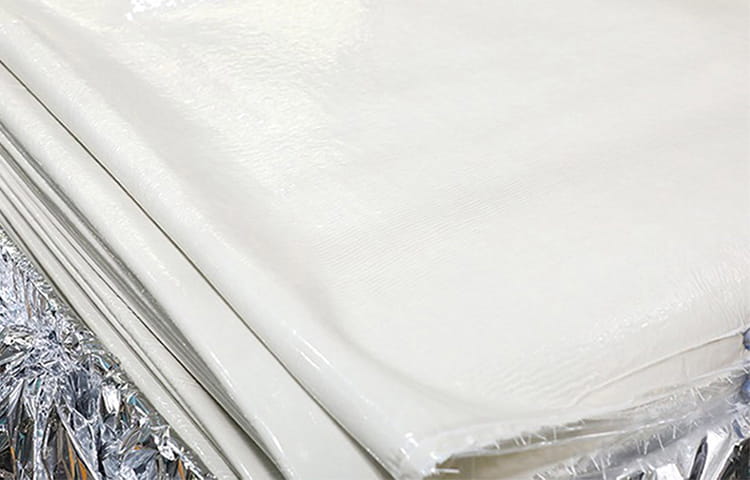
Fiberglass Direct Roving for Insulation Rod in High-Voltage Insulators Application
Against the backdrop of global energy infrastructure upgrades, demand for high-performance composite materials is growing rapidly across power transmission and transformation, data center construction, and new-energy projects. As key reinforcing components for high-voltage composite insulators, pultruded insulation rods require high-quality fiberglass direct roving to achieve reliable mechanical strength and electrical insulation performance.
Large-scale global data-center construction further drives market demand for pultrusion-grade raw materials. Pultrusion and filament winding processes are widely deployed to manufacture insulation rods, structural profiles, pipes and pressure vessels for the electrical industry. Two mainstream E6-glass direct roving grades are widely used in the market. Both products work with epoxy resin, yet they adopt different silane-based sizing formulas to satisfy differentiated application requirements.
Pultruded epoxy insulation rods feature high longitudinal mechanical strength, low void rate, stable long-length dielectric performance and excellent outdoor environmental adaptability for high-voltage insulator cores, while conventional insulation rods deliver good multi directional mechanical balance, easy machining and cost advantages for general indoor and medium-voltage insulation scenarios.
The table below outlines the key distinctions between the 310H and 314 direct roving grades for insulation rod and pultrusion applications.
| Item | 314 Direct Roving | 310H Direct Roving |
| Sizing System | Silane-based sizing, multi-resin compatibility (unsaturated polyester, vinyl ester, polyurethane, epoxy) | Silane-based sizing, specially optimized for epoxy resin system |
| Core Strengths | Balanced tensile, flexural and shear mechanical properties; low fuzz, excellent process performance for pultrusion and wet filament winding | Outstanding electrical insulation performance and acid corrosion resistance; strong bonding with epoxy resin; compliant with IEC62217:2005 standard |
| Applicable Manufacturing Processes | Pultrusion for high-performance profiles; wet filament winding for pipes, vessels and tanks | Pultrusion and filament winding for electrical insulation core rods and insulating bushings |
| Typical Application Scenarios | General-purpose pultruded profiles, tubular composite components for multi-resin systems | UHV / EHV power transmission and transformation equipment, high-voltage insulator insulation rods |
| Resin Compatibility | Compatible with epoxy, unsaturated polyester, vinyl ester and polyurethane | Primarily engineered for epoxy resin for high-voltage electrical components |
| Composite Performance | Fast and complete resin wet-out, well-rounded mechanical properties | Rapid epoxy impregnation, premium dielectric performance combined with high mechanical strength |
High-voltage insulator rods reinforced by these rovings can withstand harsh service conditions such as high altitude, sandstorms, extreme temperatures and intense ultraviolet radiation. Grade 314 offers versatile multi-resin adaptability for general-purpose pultrusion and filament-winding production. By contrast, Grade 310H is purpose-developed for epoxy-based high-voltage insulation parts where dielectric properties and acid resistance are primary design priorities.
Both grades feature low fuzz, good strand integrity, fast resin impregnation and stable pultrusion processability. Driven by rising global investment in power grid expansion and data-center infrastructure, these two direct roving products will remain essential raw materials for producing robust FRP insulation rods and composite insulator assemblies.