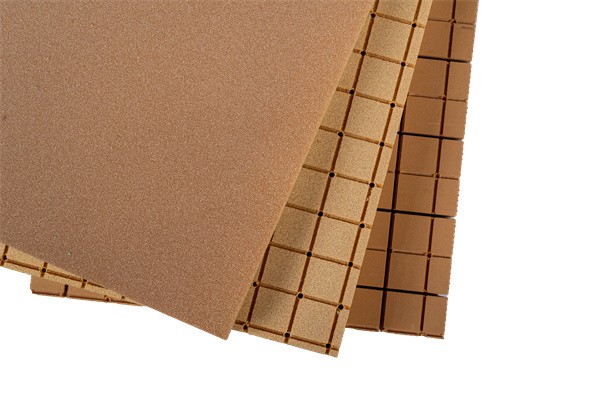
Is pvc foam board waterproof
The waterproof performance of building materials is a critical factor in determining their suitability for outdoor or moisture-prone environments. Among these materials, PVC foam board has emerged as a popular choice for applications ranging from advertising signs to architectural decorations. However, a fundamental question remains: Is PVC foam board truly waterproof? This article delves into the material composition, manufacturing processes, and real-world applications of PVC foam board to evaluate its waterproof properties.
Material Composition and Manufacturing Process
PVC foam board is a lightweight, rigid material derived from polyvinyl chloride (PVC) resin. During production, PVC foam is combined with additives such as plasticizers, stabilizers, and foaming agents, then subjected to high-temperature extrusion or molding. This process creates a cellular structure with closed-cell foam, which is key to its waterproof performance.
The closed-cell structure minimizes water absorption by preventing moisture from penetrating the material’s core. For instance, a 2025 technical specification for PVC foam board indicated a water absorption rate of 0.1%–0.3%, significantly lower than traditional materials like wood or particleboard. Additionally, the surface of PVC foam board is often treated with a smooth, non-porous coating, further enhancing its resistance to water ingress.
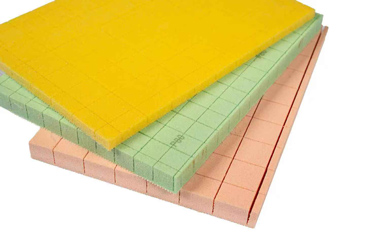
Waterproof Performance in Practical Applications
PVC foam board’s waterproof properties have been validated across multiple industries:
Our PVC foam is latest applied in deep-sea submersibles.
1.Advertising and Signage:Outdoor billboards and display boards made from PVC foam board withstand rain, humidity, and UV exposure without warping or delamination. A 2024 case study highlighted its use in coastal areas, where high salinity and moisture levels posed no degradation to the material over three years.
2.Construction and Architecture:PVC foam core is frequently employed as a moisture-resistant substrate for bathroom panels, kitchen cabinets, and exterior cladding. Its impermeability to water vapor makes it ideal for environments requiring hygiene and durability, such as hospitals or food processing facilities.
3.Packaging and Logistics:Waterproof PVC foam boards are used to create protective cases for electronics, medical equipment, and perishable goods. The material’s ability to resist condensation and liquid spills ensures product integrity during transit.
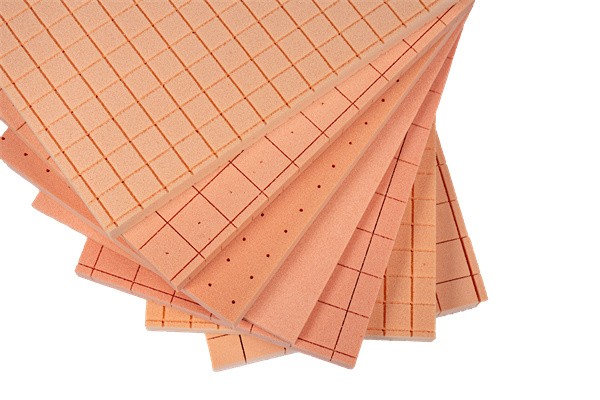
Comparative Advantages Over Traditional Materials
Compared to alternatives like wood, metal, or acrylic, PVC foam board offers distinct waterproof advantages:
Wood: Even treated timber absorbs moisture over time, leading to swelling, rot, or mold growth. PVC foam board’s inorganic composition eliminates these risks.
Metal: While steel or aluminum are waterproof, they are prone to corrosion in humid conditions. PVC foam board’s chemical stability ensures long-term performance without rust or oxidation.
Acrylic: Though acrylic sheets are waterproof, they lack the structural rigidity of PVC foam board, making them unsuitable for load-bearing applications.
Limitations and Considerations
Despite its robust waterproofing, PVC foam board is not entirely flawless. Prolonged exposure to extreme temperatures (e.g., below -20°C or above 80°C) may cause minor dimensional changes. Additionally, poor-quality PVC foam boards with inadequate foaming density or surface coatings could exhibit higher water absorption rates. However, reputable pvc foam manufacturer adhere to standards, ensuring consistent performance.
Conclusion
In conclusion, PVC foam board is undeniably waterproof, thanks to its closed-cell foam structure, non-porous surface, and chemical stability. From outdoor advertising to high-humidity construction projects, the material’s resistance to water ingress, corrosion, and biological degradation makes it a superior choice over traditional alternatives. While users should select certified products and avoid extreme environmental conditions, PVC foam board remains a reliable, low-maintenance solution for applications demanding durability and moisture resistance. As industries continue to prioritize sustainable and functional materials, the demand for PVC foam board is poised to grow, cementing its role as a cornerstone of modern waterproof construction and design.