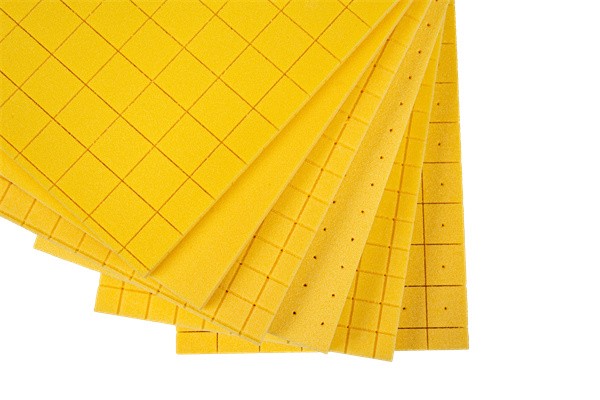
What is pvc foam board made of
Polyvinyl chloride foam (PVC) board, a versatile material widely used in construction, advertising, furniture, and packaging industries, has gained significant attention for its unique combination of properties. To understand its widespread application, it is essential to explore its composition, manufacturing process, and the role of each component in defining its characteristics.
More details can be found in this article: 《 What is PVC FOAM? 》
Core Components of PVC Foam Board
The primary raw material of PVC foam board is polyvinyl chloride (PVC) resin, a synthetic polymer derived from the polymerization of vinyl chloride monomers. PVC resin provides the foundational structure, offering chemical stability, durability, and resistance to weathering. However, pure PVC resin alone cannot achieve the lightweight and porous structure characteristic of foam boards. This is where additives and foaming agents come into play.
Additives for Enhanced Performance
Stabilizers: These compounds prevent thermal degradation during processing by absorbing heat and neutralizing acidic byproducts. Common stabilizers include calcium-zinc and lead-based compounds (though lead is being phased out due to toxicity concerns). They ensure the PVC maintains its structural integrity at high temperatures.
Lubricants: Internal lubricants (e.g., fatty acids) reduce friction between polymer chains, while external lubricants (e.g., paraffin wax) minimize adhesion to processing equipment. This combination facilitates smooth extrusion and uniform foaming.
Fillers: Calcium carbonate or talc is often added to reduce costs and improve stiffness. However, excessive filler content can compromise impact resistance and flexibility.
Plasticizers: In flexible PVC foam board, phthalates or other plasticizers are incorporated to increase elasticity. Rigid boards, by contrast, omit plasticizers to maintain rigidity.
Colorants and UV Stabilizers: Titanium dioxide provides whiteness, while organic pigments offer color options. UV stabilizers protect the board from yellowing or brittleness under prolonged sun exposure.

Foaming Agents: The Key to Porosity
The defining feature of PVC foam core is its cellular structure, created by chemical foaming agents that decompose at specific temperatures to release gases (e.g., nitrogen or carbon dioxide). These gases form bubbles within the molten PVC, which expand and solidify during cooling, resulting in a closed-cell or open-cell foam.
Azodicarbonamide (ADC): A widely used foaming agent that decomposes at 190–210°C, producing nitrogen gas. It is favored for its controlled decomposition rate and minimal residue.
Sodium bicarbonate: An eco-friendly alternative that releases CO₂ but requires precise temperature control to avoid uneven foaming.
Exothermic vs. Endothermic Agents: Exothermic agents (e.g., ADC) generate heat during decomposition, accelerating foaming, while endothermic agents (e.g., citric acid) absorb heat, slowing the process for finer cell structures.
Manufacturing Process: From Resin to Board
The production of PVC foam involves extrusion, a continuous process where PVC resin, additives, and foaming agents are mixed, melted, and forced through a die. Key steps include:
1.High-Speed Mixing:Dry blending of PVC resin, stabilizers, lubricants, and fillers to ensure uniform dispersion.
2.Twin-Screw Extrusion:The mixture is heated to 160–200°C, melting the PVC while activating the foaming agent. The screws’ compression ratio and shear force influence bubble formation.
3.Die Design:A specialized die shapes the molten foam into a flat sheet, with adjustable lips controlling thickness.
4.Calibration and Cooling:The extruded sheet passes through a calibration unit to maintain dimensions, followed by rapid cooling to stabilize the cellular structure.
5.Surface Treatment:For applications requiring enhanced aesthetics or durability, the board may be laminated with PVC film, painted, or embossed.

Variants and Specialized Formulations
PVC foam boards are categorized based on density, surface finish, and functional additives:
Free Foam Board: Open-cell structure with a rough surface, suitable for non-structural applications like advertising signs.
Celuka Foam Board: Features a dense, smooth outer layer (skin) formed by rapid cooling, offering higher scratch resistance and mechanical strength for furniture and cabinetry.
Co-Extruded Board: Combines layers with different properties (e.g., a fire-retardant core and a UV-resistant surface) for specialized uses in construction and transportation.
Conclusion
PVC foam board derives its versatility from a carefully engineered blend of PVC resin, stabilizers, lubricants, fillers, and foaming agents, processed through advanced extrusion techniques. This combination results in a material that is lightweight, durable, and adaptable to diverse applications—from waterproof furniture to fire-resistant wall panels. As industries continue to prioritize sustainability and performance, innovations in PVC foam board formulations (e.g., bio-based resins, recycled content) are expanding its environmental appeal. Whether valued for its cost-effectiveness, ease of fabrication, or long-term reliability, PVC foam board remains a cornerstone of modern material science, bridging the gap between functionality and creativity across global markets.