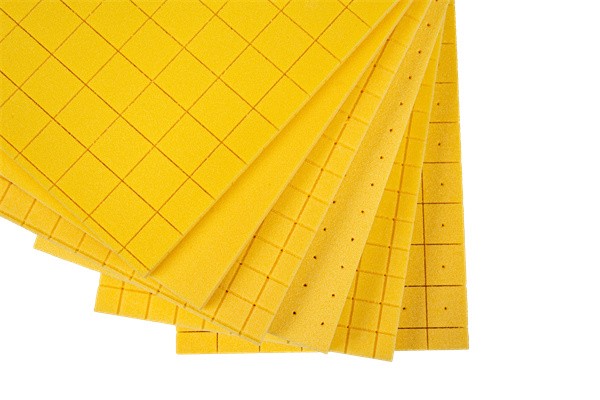
How is sheet molding compound made
Sheet Molding Compound (SMC) is a high-performance composite material widely used in automotive, aerospace, construction, and electrical industries due to its exceptional strength-to-weight ratio, corrosion resistance, and design flexibility. This material combines thermosetting resins with reinforcing fibers to create a pre-impregnated sheet that can be molded into complex shapes under heat and pressure. The manufacturing process of SMC involves precise control over raw materials, mixing techniques, and curing conditions to ensure consistent quality and mechanical properties.
1.Raw Material Preparation
The foundation of SMC lies in its core components: resin, reinforcing fibers, and additives. The primary resin used is unsaturated polyester resin (UPR), known for its fast curing and excellent mechanical properties. Vinyl ester or epoxy resins may also be employed for applications requiring superior chemical resistance. Reinforcing fibers, typically alkali-free glass roving, are cut into 25–50 mm lengths to balance flowability and structural integrity. Carbon fibers are used in high-performance applications like aerospace components.
Additives play a critical role in tailoring SMC’s properties. Low-shrinkage agents (e.g., thermoplastic powders) minimize warping during curing, while thickeners (e.g., magnesium oxide) adjust the resin’s viscosity for optimal fiber impregnation. Fillers such as calcium carbonate reduce costs and improve dimensional stability, whereas pigments provide color consistency. Catalysts like benzoyl peroxide initiate polymerization during molding, and mold release agents ensure easy part ejection.
2.Resin Paste Formulation
The resin paste is prepared by blending UPR with additives in a high-speed mixer. For example, a typical formulation might include 60–70% UPR, 20–30% fillers, 2–5% thickeners, and 1–3% catalysts. The mixture is heated to 40–60°C to dissolve solids and achieve a homogeneous dough-like consistency. This paste is then transferred to a reservoir for subsequent application onto carrier films.
3.Fiber Impregnation and Compounding
SMC production employs a continuous "doctor-blade" process. A polyethylene (PE) carrier film unwinds beneath a resin paste dispenser, which deposits a controlled layer (0.5–1.5 mm thick) onto the film. Chopped glass fibers are then sprinkled uniformly over the resin at a density of 20–30% by weight. A second resin layer and PE film are applied on top, sandwiching the fibers. The assembly passes through compression rollers to ensure complete fiber wetting and remove air bubbles, forming a 3–6 mm thick sheet.

4.Maturation and Storage
The newly formed SMC sheet is wound onto rolls and stored at 15–25°C for 24–72 hours to allow thickeners to react with the resin. This maturation phase increases viscosity, preventing fiber migration during molding. Storage life varies by season: 60 days in winter, 30 days in spring/autumn, and 20 days in summer due to temperature-dependent curing rates. To extend shelf life, manufacturers may refrigerate rolls or use vacuum packaging.
5.Compression Molding
During molding, SMC sheets are cut into "charges" (pre-weighed blanks) and placed into heated molds (140–180°C). Pressures of 10–20 MPa are applied for 1–5 minutes, depending on part thickness. The resin cures into a rigid network, while fibers align under shear stress to enhance mechanical properties. Excess material (flash) is trimmed post-molding, yielding parts with surface finishes comparable to injection-molded plastics.
6.Post-Molding Processing
Finished parts undergo quality checks for dimensional accuracy, porosity, and fiber distribution. Secondary operations like drilling, painting, or assembly may follow. For instance, automotive body panels are often coated with anti-corrosion primers before painting.
Advantages of SMC Manufacturing
The SMC process offers several benefits over traditional composites manufacturing:
Design Flexibility: Enables complex geometries unachievable with metals or thermoplastics.
Material Efficiency: Near-net-shape molding reduces waste and machining costs.
Scalability: Continuous production lines support high-volume applications like automotive parts.
Performance: SMC components exhibit 50–125 MPa tensile strength and 120–230 MPa flexural strength, rivaling aluminum alloys.
Conclusion
Sheet Molding Compound represents a pinnacle in composite material engineering, combining advanced resin chemistry with precision fiber reinforcement to deliver unmatched performance. From its meticulous formulation of raw materials to the controlled conditions of compression molding, every step in the SMC production process is optimized to ensure consistency and reliability. As industries continue to demand lighter, stronger, and more sustainable materials, sheet molding compound remains at the forefront of innovation, enabling applications from electric vehicle battery enclosures to aerospace structural components. Its versatility, coupled with ongoing advancements in resin technology and fiber alignment techniques, ensures that sheet molding compound will remain indispensable in high-performance manufacturing for decades to come.