What is the composition of sheet molding compound
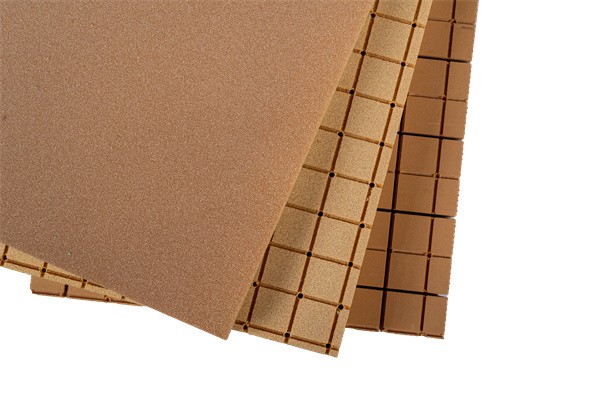
Sheet Molding Compound (SMC) has emerged as a cornerstone material in modern manufacturing, particularly in automotive, aerospace, and electrical industries. Its popularity stems from its exceptional strength-to-weight ratio, design flexibility, and cost-efficiency in high-volume production. To understand its performance advantages, it is essential to dissect its composition, which combines advanced polymers, fiber reinforcements, and functional additives through a meticulously engineered process.
1.Resin Matrix: The Structural Backbone
The resin system forms the continuous phase of SMC, providing cohesion and environmental resistance. The most common resins are unsaturated polyester, vinyl ester, and epoxy, each tailored to specific performance requirements:
Unsaturated Polyester: Dominates the automotive sector due to its balance of cost, processability, and mechanical properties. It offers excellent flow during molding and can be modified with additives for flame retardancy or UV stability.
Vinyl Ester: Preferred for corrosion-resistant applications (e.g., chemical storage tanks) due to its superior chemical resistance and toughness.
Epoxy: Utilized in high-performance aerospace components for its exceptional thermal stability and adhesion to carbon fibers.
These resins are cross-linked during molding via catalysts like peroxides, initiating a thermosetting reaction that locks the material into its final shape.
2.Fiber Reinforcement: The Strength Amplifier
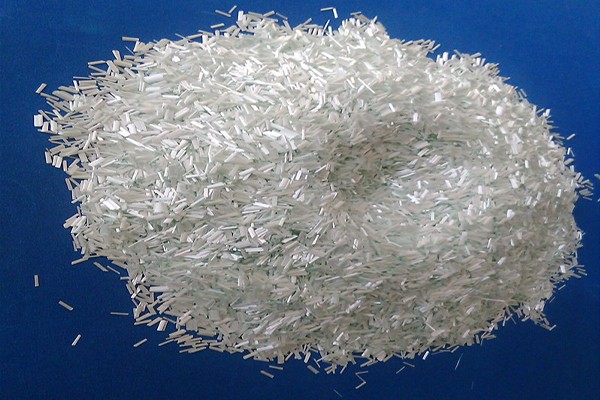
Fibers constitute 10–60% of SMC by weight, with glass fibers being the most prevalent due to their cost-effectiveness. Carbon fibers are increasingly adopted in premium applications (e.g., electric vehicle battery housings) for their higher stiffness and lighter weight. Key characteristics include:
Fiber Length: Typically 0.5–1 inch (12.7–25.4 mm), significantly longer than those in Bulk Molding Compound (BMC). This length enhances load transfer efficiency, resulting in 20–30% higher flexural strength compared to BMC.
Orientation: Fibers are randomly distributed during SMC production, enabling isotropic mechanical properties ideal for complex geometries. Advanced formulations may incorporate aligned fibers for directional strength.
Hybrid Systems: Some SMC variants blend glass and carbon fibers to optimize cost and performance, such as achieving high impact resistance without excessive weight.

3.Fillers and Additives: The Performance Enhancers
Fillers and additives constitute 20–50% of SMC by volume, fine-tuning properties for specific applications:
Mineral Fillers: Calcium carbonate and talc reduce material cost and improve surface finish, while aluminum trihydrate enhances flame retardancy.
Lightweight Fillers: Hollow glass microspheres or expanded perlite create low-density SMC (as low as 1.1 g/cm³), critical for automotive lightweighting. For instance, a dual-layer SMC structure with hollow fillers in one layer and solid reinforcement in another achieves a 15% weight reduction without sacrificing strength.
Functional Additives:
Thickeners: Magnesium oxide or calcium hydroxide increase viscosity during maturing, preventing fiber sedimentation.
Release Agents: Zinc stearate or waxes facilitate mold release, reducing scrap rates.
Pigments and Stabilizers: Provide color consistency and UV resistance for exterior automotive parts.
4.Manufacturing Process: The Integration of Components
SMC production involves a continuous, automated process:
1.Resin Paste Preparation: Resin, fillers, thickeners, and catalysts are blended into a homogeneous paste.
2.Fiber Impregnation: The paste is spread onto a polyethylene carrier film, followed by random deposition of chopped fibers.
3.Compaction and Maturing: A top film is applied, and the assembly is rolled into a sheet and stored for 24–48 hours to allow thickening.
4.Molding: The SMC sheet is cut to shape, placed into a heated mold, and compressed at 10–20 MPa to cure the resin, forming the final part.
This process enables the production of large, intricate parts (e.g., automotive body panels) with minimal post-molding finishing.
Conclusion
Sheet Molding Compound derives its versatility from a synergistic blend of resin, fibers, and additives, engineered to meet stringent industry demands. The resin matrix provides structural integrity, while fiber reinforcements amplify strength without excessive weight. Fillers and additives further customize properties, enabling applications ranging from corrosion-resistant tanks to high-impact automotive components. Its continuous manufacturing process ensures consistency and efficiency, solidifying Sheet Molding Compound’s position as a transformative material in lightweight engineering. As industries continue to prioritize sustainability and performance, the adaptability of Sheet Molding Compound’s composition will drive innovation, ensuring its relevance in next-generation applications.