What is sheet molding compound used for
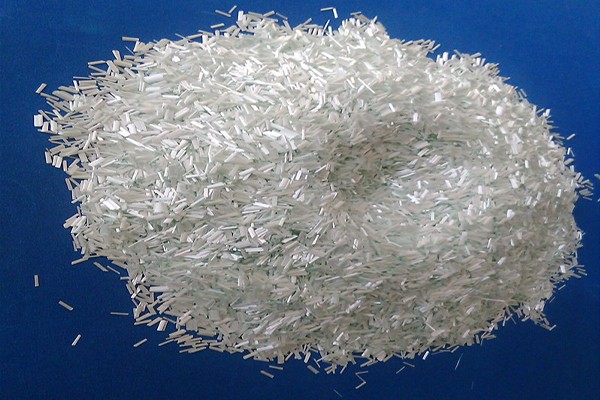
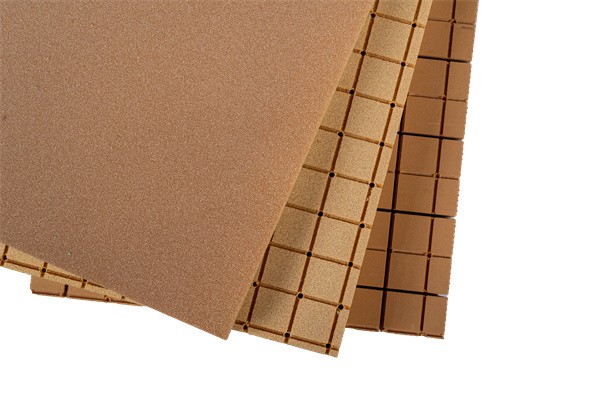
Sheet Molding Compound (SMC), a composite material developed in Europe in the 1960s and later popularized globally, has revolutionized industries with its unique blend of performance and versatility. Composed of unsaturated polyester resin, short-cut glass fibers, fillers, and additives, SMC is manufactured as a pre-impregnated sheet with polyethylene film coatings. This structure enables it to be molded into complex shapes under heat and pressure, offering a balance of strength, durability, and design flexibility. Below, we explore its diverse applications across key sectors.
Automotive Industry: Lightweighting and Structural Innovation
SMC is a cornerstone of automotive lightweighting strategies, enabling manufacturers to reduce vehicle weight by 20–35% compared to steel while maintaining structural integrity. Its high specific strength (strength-to-weight ratio) makes it ideal for exterior components such as front hoods, fenders, and bumper beams, where impact resistance and aerodynamics are critical. For instance, Tesla’s Model 3 employs SMC for its battery enclosure, leveraging the material’s corrosion resistance and thermal stability to protect high-voltage components.
The material’s design freedom further supports aerodynamic optimization. BMW’s i3 electric vehicle uses SMC for its side panels, achieving a sleek profile that reduces drag. Additionally, SMC’s low thermal expansion coefficient minimizes deformation under temperature fluctuations, ensuring dimensional stability in engine compartments and underbody shields.

Electrical and Electronics: Safety and Reliability
SMC’s exceptional electrical insulation properties (dielectric strength up to 20 kV/mm) and flame retardancy (UL94 V-0 rating) make it indispensable in electrical applications. High-voltage switchgear, such as Siemens’ 8DJH series, utilizes SMC enclosures to prevent arc faults and ensure operator safety. The material’s resistance to tracking and erosion also extends the lifespan of outdoor transformers and junction boxes in harsh environments.
In consumer electronics, SMC’s precision molding capability supports miniaturization trends. Samsung’s 5G base stations incorporate SMC antenna covers, which combine electromagnetic transparency with weather resistance. The material’s low water absorption (<0.5%) further prevents signal degradation in humid conditions.
Construction and Infrastructure: Durability Meets Aesthetics
SMC’s resistance to UV degradation, chemicals, and impact has driven its adoption in building materials. Overall bathrooms and shower trays made from SMC, such as those by TOTO, offer seamless, waterproof surfaces that outlast traditional tiles. The material’s thermal insulation properties (λ = 0.15–0.2 W/m·K) also enhance energy efficiency in prefabricated housing modules.
In infrastructure, SMC’s corrosion resistance addresses maintenance challenges. Railway sleepers by Swiss company Getzner use SMC to replace wooden ties, reducing track deformation and extending service intervals. Similarly, SMC manhole covers in urban drainage systems resist theft due to their non-metallic nature while supporting heavy loads.
Aerospace and Defense: High-Performance Demands
Advanced SMC variants, such as Carbon Fiber Reinforced SMC (CF-SMC), meet stringent aerospace requirements. Airbus’s A350 XWB employs CF-SMC for non-critical structural components, reducing weight by 40% compared to aluminum. The material’s fatigue resistance (tested to 10^7 cycles) also makes it suitable for helicopter rotor blades and drone frames.
In defense, SMC’s ballistic resistance has led to its use in armored vehicle panels. General Dynamics’ Stryker IFV integrates SMC composites to enhance protection without compromising mobility.
Conclusion
Sheet Molding Compound has emerged as a transformative material across industries, driven by its adaptability to evolving performance demands. From enabling electric vehicle innovation to securing critical infrastructure, SMC’s unique combination of strength, durability, and moldability continues to redefine manufacturing possibilities. As sustainability pressures mount, SMC’s recyclability and potential for bio-based resins further position it as a material of the future. Whether in the form of automotive panels, electrical enclosures, or aerospace components, Sheet Molding Compound remains at the forefront of material science, proving that lightweight does not have to compromise resilience.