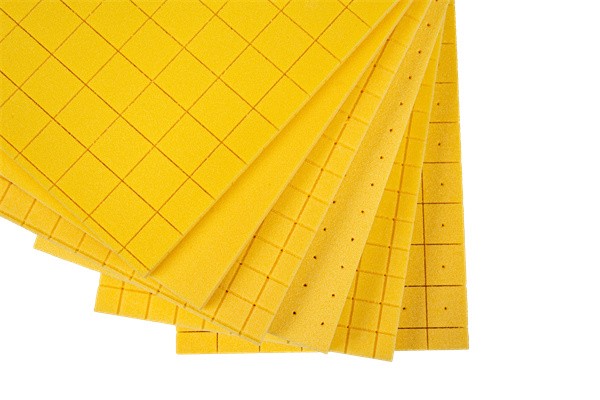
How much does sheet moulding compound cost
You can expect sheet moulding compound to cost between $0.90 and $2.30 per kilogram, depending on the product type and order size. For example, general SMC usually ranges from $1.12 to $1.30 per kilogram, while high-intensity SMC can reach $2.30 per kilogram.
Prices may change based on the type of fiberglass, resin system, order quantity, and supplier. Union Composites offers competitive rates for bulk and custom orders.
Key Takeaways
Sheet moulding compound typically costs between $0.90 and $2.30 per kilogram, depending on the type and order size.
Prices vary based on application; automotive SMC is generally more expensive due to its high strength requirements.
Buying in bulk can lead to significant savings, as suppliers often offer discounts for larger orders.
Always request detailed quotes from suppliers, including shipping and tooling costs, to avoid unexpected expenses.
Consider requesting free samples to test the material quality before making a large purchase.
Sheet Moulding Compound Price
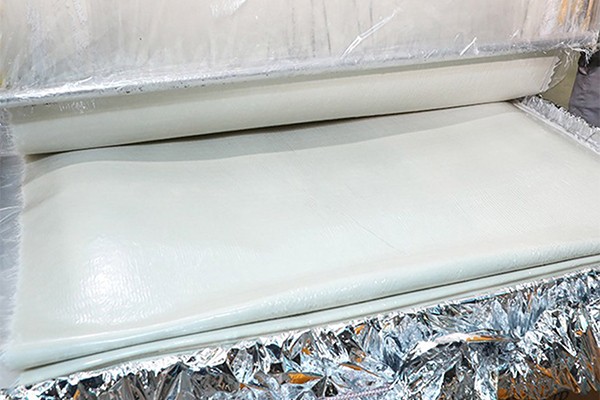
Typical Cost Range
You can find sheet moulding compound at prices that fit many budgets. Most suppliers offer SMC between $0.90 and $2.30 per kilogram. Union Composites, for example, provides general-purpose SMC from $1.12 to $1.30 per kilogram. If you need high-strength or specialty grades, you may pay up to $2.30 per kilogram.
Note: Prices can change based on market conditions. Raw material costs often rise and fall, which affects what you pay for SMC.
Here is a simple table to help you compare:
SMC Type | Typical Price Range (per kg) |
|---|---|
General Purpose | $1.12 – $1.30 |
High-Strength | $1.80 – $2.30 |
Custom/Colored | $1.30 – $2.00 |
You may notice that prices have changed over the past five years. Several factors have shaped these changes:
The SMC market was valued at $4.3 billion in 2025 and is expected to reach $4.6 billion in 2026.
The market is growing at a rate of 7.0% each year from 2026 to 2033.
Raw material prices often change, which can make SMC more expensive or less expensive.
The automotive industry creates strong demand, which can push prices higher.
High-performance SMC can cost more because it uses special materials.
Price by Application or Grade
You will see different prices for sheet moulding compound based on how you plan to use it. Each application needs a certain grade, and each grade has its own cost.
Automotive SMC: Car makers use SMC for body panels, bumpers, and structural parts. These grades often need high strength and special properties, so they cost more.
Electrical SMC: SMC for electrical parts must resist heat and electricity. These grades may use special resins or additives, which can raise the price.
Construction SMC: SMC for building panels or covers usually costs less, unless you need extra strength or fire resistance.
Custom SMC: If you need a special color, size, or formula, you may pay a premium for customization.
You can see how prices change by application in this list:
Automotive SMC: $1.50 – $2.30 per kg
Electrical SMC: $1.30 – $2.00 per kg
Construction SMC: $1.12 – $1.60 per kg
Custom SMC: $1.30 – $2.00 per kg
Union Composites offers all these grades and can help you choose the right one for your project. You can ask for a free sample to test the material before you buy.
Tip: When you compare prices, always check the grade and application. High-performance SMC costs more, but it can save you money in the long run by lasting longer or working better.
You can see that sheet moulding compound prices depend on many things. The type, grade, and use all play a role. If you know what you need, you can find the best value for your project.
Factors Affecting SMC Cost
Material and Additives
You will notice that the materials used in sheet moulding compound play a big role in its price. The type of resin, the amount of fiberglass, and the choice of additives all matter. If you choose a higher reinforcement level, you get stronger parts, but you also pay more. Special additives, like flame retardants or color pigments, can increase the cost. When you select a standard grade, you usually pay less than for a custom or high-performance formula.
Manufacturing and Tooling
The way manufacturers make sheet moulding compound also affects the price. Advanced machines and modern production lines help keep costs low and quality high. For example, Union Composites uses Industry 4.0 technology to make sure every batch meets strict standards. Tooling costs can add up, especially if you need custom shapes or sizes. If you order a new mold or a special design, you may see a higher upfront cost. However, efficient manufacturing can help balance these expenses.
Note: Companies with advanced factories often deliver better quality and more consistent products.
Order Size and Supplier
How much you order and who you buy from can change the price you pay. Large orders often come with discounts, so buying in bulk saves money. Custom orders, like special colors or unique sizes, may cost more because they require extra work. The supplier’s location also matters. Union Composites, for example, operates in China, where lower labor costs help keep prices competitive. Their global reach means they understand shipping and export needs, so you get reliable delivery and support. Vertical integration and efficient logistics allow them to offer flexible pricing and meet international standards.
Lower labor costs in China help keep prices down.
Advanced technology ensures high quality at a good price.
Global export experience means smooth shipping and reliable service.
When you consider these factors, you can make smart choices and find the best value for your sheet moulding compound needs.
SMC vs. Other Materials
SMC vs. BMC
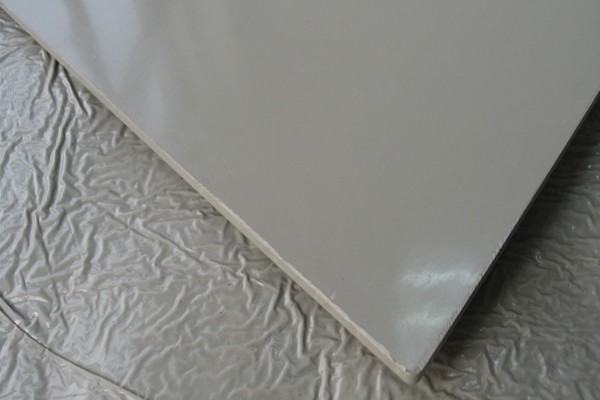
You may wonder how sheet moulding compound compares to bulk moulding compound (BMC). Both materials use fiberglass and resin, but they have different forms and uses. SMC comes in sheets, while BMC is a bulk material that looks like dough. SMC usually costs a bit more than BMC because it has higher strength and can make larger, more complex parts. You will find SMC works well for car panels, electrical boxes, and building covers. BMC is better for smaller parts like switches or handles.
Feature | SMC | BMC |
|---|---|---|
Form | Sheet | Bulk/Dough |
Typical Use | Large parts | Small parts |
Strength | Higher | Moderate |
Price per kg | $1.12 – $2.30 | $1.00 – $1.80 |
SMC vs. Thermoplastics and Metals
You might also compare SMC to thermoplastics and metals. SMC is lighter than metal, which helps reduce weight in cars and machines. It does not rust, so it lasts longer in wet or harsh places. SMC also insulates against electricity, making it safer for electrical uses. Thermoplastics can be cheaper, but they may not be as strong or heat-resistant as SMC. Metals are strong but heavy and can corrode over time.
Tip: Choose SMC if you need a material that is strong, light, and resists corrosion.
Cost-Effectiveness
You want to get the best value for your project. Cost-effectiveness means more than just the price per kilogram. You should think about these points:
SMC lets you make complex shapes, which can lower assembly costs.
Tooling costs can be spread out over many parts, making large orders cheaper.
You can order small amounts for prototypes, which helps you test ideas without spending too much.
Bulk orders often get discounts, saving you money as you scale up.
SMC gives you a good surface finish, so you may not need extra painting or coating.
The material’s heat resistance and durability mean you replace parts less often.
When you look at all these factors, you see that sheet moulding compound offers a smart balance of price, performance, and flexibility for many industries.
Buying Tips for SMC
Getting Accurate Quotes
You want to start your SMC project with a clear price. To do this, give your supplier detailed information about your needs. List the grade, reinforcement level, color, and sheet size. If you are not sure what you need, ask for a sample. Union Composites offers free samples so you can test the material before you buy. Samples help you check quality and make better decisions.
Tip: Always ask for a written quote. This helps you compare prices and avoid surprises later.
You should also ask about shipping costs, lead times, and any extra fees. Clear communication with your supplier saves time and money.
Budgeting Considerations
You need to plan your budget before you order SMC. Think about the total cost, not just the price per kilogram. Include tooling costs if you need custom molds. Add shipping and taxes to your estimate. If you order a large quantity, you may get a discount. Small orders may cost more per unit.
Here is a simple table to help you plan:
Cost Item | What to Check |
|---|---|
Material Price | Per kg, by grade |
Tooling | Custom molds or designs |
Shipping | Delivery fees, lead time |
Taxes/Duties | Import/export costs |
Extras | Additives, colors, samples |
You can ask your supplier for a full cost breakdown. This helps you avoid hidden charges.
Working with Suppliers
You can get better deals by working closely with your supplier. Build a long-term relationship for better terms. Try these strategies:
Invite several suppliers to bid. This encourages competitive pricing.
Meet face-to-face if possible. Personal meetings build trust.
Prepare your needs and budget before you negotiate.
Discuss payment terms first. Flexible terms can help your cash flow.
Present your project clearly. Suppliers respond well to clear information.
Note: Good communication leads to better service and pricing.
Union Composites values strong partnerships. You can expect support and flexibility when you work with experienced suppliers.
You now know that sheet moulding compound usually costs between $0.90 and $2.30 per kilogram. Key factors like material type, grade, manufacturing, and order size affect the price.
Always compare suppliers and check all cost details before you buy.
Use the tips in this guide to get the best value.
Consider Union Composites or other trusted suppliers for reliable SMC and support.
FAQ
What is sheet moulding compound used for?
You use sheet moulding compound to make strong parts for cars, electrical boxes, and building panels. It works well for projects that need durability and a smooth finish.
How do you choose the right SMC grade?
You look at your project needs. If you want high strength, pick a grade with more fiberglass. For special colors or fire resistance, ask your supplier about custom options.
Can you get free samples before buying?
Yes, you can request free samples from Union Composites. Samples help you test the material and check quality before you place a big order.
Does buying in bulk lower the price?
You save money when you buy larger amounts. Suppliers often give discounts for bulk orders. This helps you reduce your project costs.
How long does delivery take?
Delivery times depend on your location and order size. Most suppliers ship within two to four weeks. Ask your supplier for a clear timeline.