How strong is vinyl ester resin
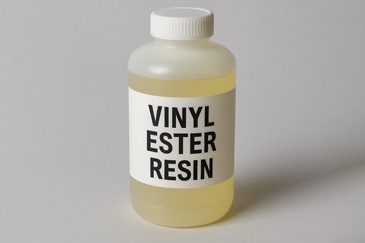
Vinyl ester resin, a high-performance thermosetting polymer, has gained significant attention in various industries due to its exceptional combination of mechanical strength, chemical resistance, and durability. From marine applications to aerospace components, vinyl ester resin has proven its worth as a reliable material. This article delves into the strength characteristics of vinyl ester resin, exploring its mechanical properties, factors influencing its strength, and its diverse applications.
Mechanical Properties of Vinyl Ester Resin
Tensile Strength
Tensile strength is a fundamental measure of a material's ability to withstand pulling forces without breaking. Vinyl ester resin exhibits impressive tensile strength, typically ranging from 60 to 90 MPa (megapascals). This high tensile strength makes it suitable for applications where the material is subjected to significant tensile loads, such as in the construction of pressure vessels and storage tanks. The molecular structure of vinyl ester resin, with its cross-linked network formed during curing, contributes to its high tensile strength by distributing the applied stress evenly throughout the material.
Compressive Strength
Compressive strength refers to a material's resistance to being crushed or compressed. Vinyl ester resin demonstrates good compressive strength, often exceeding 100 MPa. This property is crucial in applications where the material is under compressive loads, such as in the foundation of buildings or in the manufacturing of structural components that bear weight. The rigid cross-linked structure of vinyl ester resin provides it with the necessary stiffness to resist compression, ensuring its structural integrity under load.
Flexural Strength
Flexural strength measures a material's ability to resist bending forces. Vinyl ester resin has a flexural strength in the range of 100 to 150 MPa, making it highly suitable for applications that require both strength and flexibility. For example, in the marine industry, vinyl ester resin is used to manufacture boat hulls and decks, which are constantly subjected to bending forces due to waves and water currents. The ability of vinyl ester resin to withstand bending without cracking or breaking ensures the longevity and safety of marine vessels.
Impact Strength
Impact strength is a critical property for materials used in applications where they may be subjected to sudden impacts or shocks. Vinyl ester resin has good impact resistance, which can be further enhanced through various modifications. For instance, the addition of rubber particles or other impact modifiers can significantly improve the impact strength of vinyl ester resin. This makes it suitable for applications such as automotive body panels, where the material needs to withstand minor collisions without sustaining severe damage.
Factors Influencing the Strength of Vinyl Ester Resin
Molecular Structure
The molecular structure of vinyl ester resin plays a crucial role in determining its strength. The presence of cross-links in the polymer network, formed during the curing process, enhances the material's strength by restricting the movement of polymer chains. Different types of vinyl ester resins, such as standard bisphenol A-based vinyl ester resin and phenolic vinyl ester resin, have varying molecular structures, which result in different strength characteristics. Phenolic vinyl ester resin, for example, has a higher cross-link density due to the incorporation of phenolic rings in its structure, leading to improved heat resistance and mechanical strength compared to standard vinyl ester resin.
Curing Process
The curing process of vinyl ester resin significantly affects its strength. The choice of curing agent, curing temperature, and curing time all play important roles. For instance, using a faster-curing agent may result in a higher degree of cross-linking in a shorter period, leading to increased strength. However, if the curing temperature is too high or the curing time is too long, it may cause thermal degradation of the resin, reducing its strength. Proper control of the curing process is essential to achieve the desired strength properties in vinyl ester resin.
Filler Addition
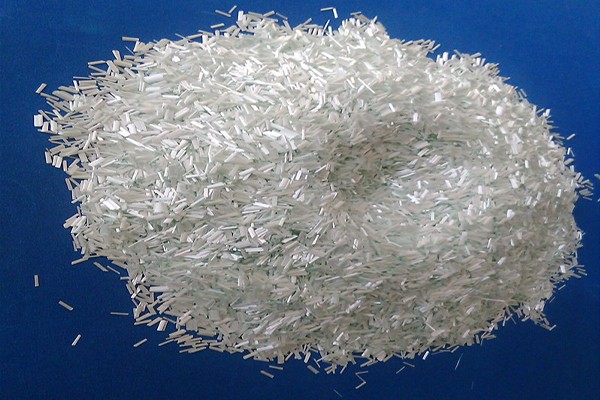
The addition of fillers to vinyl ester resin can also influence its strength. Fillers such as glass fibers, carbon fibers, and mineral fillers can enhance the mechanical properties of the resin. Glass fibers, for example, when incorporated into vinyl ester resin, form a composite material with significantly improved tensile and flexural strength. The orientation and distribution of the fillers within the resin matrix also affect the strength of the composite. Proper dispersion of fillers ensures that they effectively transfer stress to the resin matrix, enhancing the overall strength of the material.
Applications Based on Strength Characteristics
Marine Industry
The marine industry extensively uses vinyl ester resin due to its excellent strength and corrosion resistance. Boat hulls, decks, and masts are often made from vinyl ester resin composites reinforced with glass or carbon fibers. The high tensile and flexural strength of vinyl ester resin ensure that these components can withstand the forces exerted by waves, currents, and wind. Additionally, its good impact resistance protects the vessel from minor collisions and damage caused by floating debris.
Chemical Processing
In the chemical processing industry, vinyl ester resin is used to manufacture storage tanks, pipes, and reactors. Its high chemical resistance, combined with its mechanical strength, makes it suitable for handling various corrosive chemicals. The ability of vinyl ester resin to withstand high pressures and temperatures, along with its resistance to chemical attack, ensures the safe and reliable operation of chemical processing equipment.
Construction Industry
Vinyl ester resin finds applications in the construction industry for the manufacturing of structural components such as beams, columns, and panels. Its high compressive and flexural strength make it suitable for use in buildings and bridges. Additionally, vinyl ester resin can be used to repair and reinforce existing concrete structures, improving their load-bearing capacity and durability.
Aerospace Industry
In the aerospace industry, where weight reduction and high strength are critical, vinyl ester resin is used in the manufacturing of aircraft components such as fairings, wingtips, and interior panels. The low density of vinyl ester resin, combined with its good mechanical properties, allows for the production of lightweight yet strong components, contributing to the overall fuel efficiency and performance of the aircraft.
Conclusion
Vinyl ester resin is a remarkably strong material with a wide range of applications across various industries. Its impressive tensile, compressive, flexural, and impact strength make it suitable for demanding environments where durability and reliability are essential. The molecular structure, curing process, and filler addition are key factors that influence the strength of vinyl ester resin, allowing for customization to meet specific application requirements. From the marine industry to aerospace, vinyl ester resin continues to play a vital role in advancing technology and improving the performance of various products and structures. As research and development in this field continue, we can expect to see further enhancements in the strength and other properties of vinyl ester resin, opening up new possibilities for its use in the future.