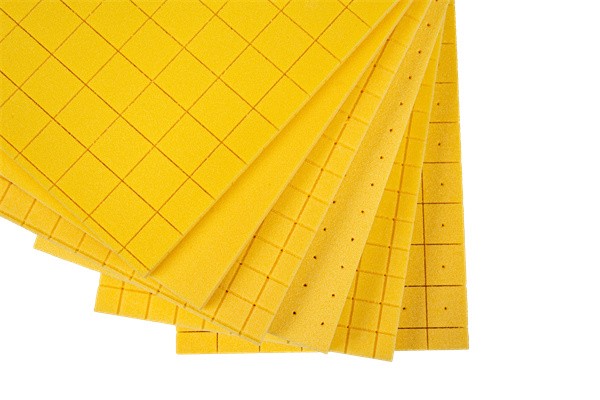
What is fiberglass tissue used for
Fiberglass tissue, a versatile material composed of fine glass fibers, has emerged as a cornerstone in numerous industrial and construction applications. Its unique combination of properties—such as high tensile strength, corrosion resistance, thermal stability, and compatibility with various resins—has made it indispensable across multiple sectors. This article delves into the diverse uses of fiberglass tissue, highlighting its significance in modern engineering and design.
1.Construction and Building Materials
1.1 Roofing Systems
Fiberglass tissue plays a pivotal role in roofing solutions, particularly as a substrate for waterproof membranes. Its high tensile strength and resistance to bitumen penetration ensure durability and longevity. When incorporated into asphalt-based roofing materials, fiberglass tissue enhances tear resistance and prevents cracking, even under extreme weather conditions. This makes it ideal for flat roofs, industrial buildings, and residential structures where waterproofing is critical.
1.2 Gypsum Board and Drywall
In the production of gypsum board, fiberglass tissue serves as a facing material, providing reinforcement and improving dimensional stability. The tissue is coated with a gypsum slurry, which hardens to form a rigid panel. The fiberglass layer prevents warping, enhances fire resistance, and contributes to the board's overall strength. This application is widespread in interior wall and ceiling construction, offering a cost-effective and lightweight alternative to traditional materials.
1.3 Flooring Underlayments
Fiberglass tissue is also used as an underlayment for vinyl and PVC flooring tiles. Its uniform thickness and smooth surface ensure proper adhesion of the flooring material, while its high-temperature stability prevents deformation during installation. Additionally, the tissue's resistance to mildew and moisture makes it suitable for high-humidity environments such as bathrooms and kitchens. The result is a durable, aesthetically pleasing floor that withstands heavy foot traffic and daily wear and tear.
1.4 Thermal Insulation
When laminated with mineral wool or rock wool, fiberglass tissue acts as a surface layer, enhancing the thermal insulation properties of the composite material. This combination is widely used in ceiling tiles, wall panels, and HVAC ducts, where energy efficiency and sound absorption are paramount. The tissue's fire-retardant properties further contribute to safety in commercial and residential buildings.

2. Composite Materials and FRP Products
2.1 Fiberglass Reinforced Plastics (FRP)
Fiberglass tissue is a key component in the production of FRP, a composite material known for its high strength-to-weight ratio and corrosion resistance. In FRP manufacturing, the tissue is layered with resin to form a laminate structure, which is then molded into various shapes. This process is commonly used to produce pipes, tanks, and storage vessels for the chemical, oil, and gas industries. The tissue's uniform fiber dispersion ensures consistent mechanical properties throughout the laminate, enhancing the product's durability and performance.
2.2 Surface Layers in FRP
For FRP products with complex geometries, such as automotive body panels or architectural cladding, fiberglass tissue is used as a surfacing layer. Its smooth surface and excellent resin permeability allow for quick and even resin distribution, resulting in a high-quality finish with minimal voids or defects. This application is particularly valuable in industries where aesthetics and precision are critical, such as automotive and aerospace manufacturing.
2.3 Battery Separators
In the energy sector, fiberglass tissue is employed as a separator in lead-acid batteries. Its porous structure facilitates ion transport while preventing short circuits between the electrodes. The tissue's chemical stability and resistance to acid corrosion ensure long-term reliability, making it an essential component in automotive, industrial, and renewable energy storage systems.
3. Filtration and Environmental Applications
3.1 Air and Liquid Filtration
Fiberglass tissue's uniform pore structure and high surface area make it an effective filtration medium for air and liquids. In industrial settings, it is used to remove particulates from exhaust gases, ensuring compliance with environmental regulations. Similarly, in water treatment applications, fiberglass tissue filters out impurities, providing clean drinking water and protecting downstream equipment from damage.
3.2 Noise Reduction
When incorporated into acoustic panels or barriers, fiberglass tissue helps dampen sound vibrations, reducing noise pollution in urban environments. Its lightweight and flexible nature allow for easy installation in walls, ceilings, and machinery enclosures, making it a popular choice for offices, schools, and manufacturing facilities.

4. Automotive and Transportation
4.1 Brake Linings
Fiberglass tissue is a critical ingredient in brake linings, where it provides reinforcement and improves thermal stability. The tissue's high tensile strength and resistance to wear ensure consistent braking performance, even under extreme conditions. Additionally, its ability to dissipate heat prevents brake fade, enhancing safety in high-speed applications.
4.2 Interior Components
In automotive interiors, fiberglass tissue is used to manufacture headliners, door panels, and trunk liners. Its lightweight and moldable properties allow for the creation of ergonomic designs that meet stringent safety and comfort standards. The tissue's resistance to moisture and mildew further ensures long-term durability in humid environments.
5. Marine and Offshore Applications
5.1 Boat Building
Fiberglass tissue is widely used in boat construction, where it provides reinforcement for hulls, decks, and superstructures. Its corrosion resistance and ability to withstand saltwater exposure make it ideal for marine environments. When combined with resin, the tissue forms a strong, waterproof laminate that is both lightweight and durable, ensuring the vessel's longevity and performance.
5.2 Offshore Platforms
In offshore oil and gas exploration, fiberglass tissue is used to manufacture corrosion-resistant components such as grating, handrails, and storage tanks. Its resistance to chemicals and harsh weather conditions ensures the safety and reliability of offshore infrastructure, reducing maintenance costs and downtime.
Conclusion
Fiberglass tissue has proven to be an indispensable material across a wide range of industries, from construction and automotive to energy and marine applications. Its unique combination of properties—including high strength, corrosion resistance, thermal stability, and compatibility with resins—has enabled the development of innovative solutions that address complex engineering challenges. Whether used as a reinforcement in composite materials, a substrate for roofing systems, or a filtration medium in environmental applications, fiberglass tissue continues to play a vital role in shaping the future of modern industry. As technology advances and new applications emerge, the demand for fiberglass tissue is expected to grow, further solidifying its position as a cornerstone material in the global market.