When to use vinyl ester resin
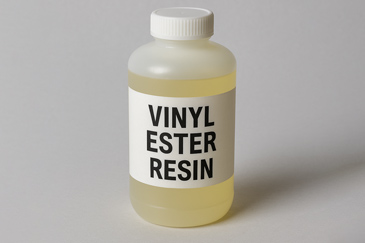
Vinyl ester resin, a hybrid thermosetting material combining the processing advantages of unsaturated polyester resins with the mechanical and chemical resilience of epoxy resins, has emerged as a critical solution in industries demanding durability, corrosion resistance, and structural integrity. Its unique molecular structure—featuring an epoxy backbone with terminal vinyl groups—enables it to bridge performance gaps between traditional resins, making it indispensable in specific applications. This article explores the scenarios where vinyl ester resin excels, highlighting its technical advantages and real-world impact.
1.Corrosive Environments: The First Line of Defense
Vinyl ester resin’s most celebrated attribute is its exceptional resistance to aggressive chemicals, including acids, alkalis, solvents, and oxidizing agents. Unlike standard polyester resins, which degrade rapidly under prolonged exposure to corrosive substances, vinyl ester’s molecular chain contains fewer ester linkages, reducing sites for chemical attack. This property makes it ideal for:
Chemical Storage Tanks and Vessels: In industries such as petrochemicals, pharmaceuticals, and wastewater treatment, tanks lined with vinyl ester resin exhibit 80% lower corrosion rates compared to polyester alternatives. For instance, a 2024 study by the China Synthetic Resins Association revealed that tanks storing 10% sulfuric acid maintained structural integrity for over 30 days with vinyl ester linings, whereas polyester-lined tanks failed within 10 days.
Pipeline Systems: Vinyl ester resin’s low water absorption (typically <0.5% by volume) prevents hydrolysis in humid or submerged environments, making it suitable for offshore oil platforms and desalination plants. Its adhesion to steel and concrete also minimizes leaks in high-pressure pipelines.
Floor Coatings in Industrial Facilities: Factories handling bleach, hydrogen peroxide, or organic solvents rely on vinyl ester coatings to resist chemical spills and thermal cycling. A 2025 market analysis noted a 21% annual growth in demand for low-styrene-emission (LSE) vinyl ester flooring systems, driven by stricter environmental regulations.
2.Marine Applications: Withstanding the Harshest Conditions
The marine industry demands materials that resist saltwater corrosion, UV degradation, and mechanical stress from waves and impacts. Vinyl ester resin’s balanced properties—combining epoxy-like toughness with polyester-like ease of processing—have made it a staple in:
Boat Hulls and Decks: Compared to polyester resins, vinyl ester reduces osmotic blistering (a common failure mode in fiberglass boats) by 70% when used below the waterline. Its high elongation at break (3–5%) also absorbs impacts from floating debris without cracking.
Offshore Structures: Wind turbine blades and oil platform components exposed to salt spray and extreme temperatures benefit from vinyl ester’s thermal stability (up to 220°C for short-term exposure). A 2023 case study showed that blades reinforced with vinyl ester/carbon fiber composites retained 95% of their flexural strength after 10 years of service, outperforming epoxy-based alternatives.
Swimming Pools and Water Parks: Vinyl ester’s resistance to chlorine and UV radiation ensures longevity in recreational water facilities. When applied as a gel coat layer over polyester laminates, it extends service life by 5–8 years.
3.Infrastructure and Construction: Reinforcing the Future
In civil engineering, vinyl ester resin addresses challenges related to aging infrastructure, chemical exposure, and seismic resilience. Key applications include:
FRP Rebars for Concrete Reinforcement: Traditional steel rebars corrode in chloride-rich environments (e.g., coastal bridges), leading to concrete spalling. Vinyl ester-wrapped FRP rebars, however, exhibit no corrosion after 20 years of field testing, reducing maintenance costs by 40%.
Chemical-Resistant Linings for Industrial Buildings: Factories processing acids or alkalis use vinyl ester coatings to protect concrete floors and walls. A 2025 report highlighted a 15% reduction in downtime for plants adopting these linings, as they eliminated the need for frequent repairs.
Seismic Retrofitting: Vinyl ester’s high tensile strength (60–90 MPa) and fatigue resistance make it valuable for wrapping concrete columns in earthquake-prone regions. Tests show that columns retrofitted with vinyl ester/carbon fiber jackets withstand 30% higher lateral loads than unreinforced counterparts.
4.Renewable Energy: Enabling Sustainable Innovation
As the world transitions to clean energy, vinyl ester resin supports the development of lightweight, durable components for wind and solar power:
Wind Turbine Blades: The resin’s low viscosity (200–600 mPa·s) allows it to infiltrate glass or carbon fiber fabrics efficiently during resin transfer molding (RTM), reducing void content and improving fatigue life. Modern blades incorporating vinyl ester composites achieve a 12% increase in energy output due to their optimized aerodynamic profiles.
Solar Panel Frames: Vinyl ester’s UV stability and dimensional stability ensure that frames maintain their shape under temperature fluctuations, preventing panel warping. Its resistance to sand abrasion also extends the lifespan of desert-based solar installations.
5.Aerospace and Automotive: Lightweighting Without Compromise
While epoxy resins dominate high-performance aerospace composites, vinyl ester offers a cost-effective alternative for non-critical components:
Aircraft Interior Panels: Vinyl ester’s flame retardancy (oxygen index >30%) and low smoke emission meet stringent aviation safety standards. Its ease of processing also reduces manufacturing time by 25% compared to epoxy systems.
Automotive Body Panels: Electric vehicle manufacturers use vinyl ester composites to reduce weight without sacrificing crashworthiness. A 2024 study found that vinyl ester-reinforced hoods absorbed 20% more impact energy than steel counterparts at half the weight.
Conclusion: The Versatile Champion of Modern Engineering
Vinyl ester resin’s ability to balance cost, performance, and processability has cemented its role across industries where failure is not an option. From corrosive chemical plants to offshore wind farms, its unique molecular architecture delivers unmatched resistance to environmental stressors while enabling lightweight, durable designs. As global demand for sustainable infrastructure grows, vinyl ester resin will continue to evolve through innovations like low-VOC formulations and bio-based feedstocks, solidifying its position as a cornerstone of advanced composite materials. Whether reinforcing concrete, protecting marine vessels, or harnessing renewable energy, vinyl ester resin remains the go-to solution for engineers seeking reliability without compromise.