How to color epoxy resin
Epoxy resin, a versatile thermosetting polymer renowned for its adhesive strength, chemical resistance, and dimensional stability, has become a cornerstone material in art, crafts, industrial manufacturing, and construction. Its inherent transparency makes it an ideal canvas for adding vibrant colors, enabling creators to transform this clear liquid into customized decorative pieces, functional coatings, or structural components. Whether crafting jewelry, coating countertops, or designing artistic installations, mastering the art of coloring epoxy resin opens a world of creative possibilities. This article provides a comprehensive guide to coloring epoxy resin, covering methods, precautions, and key considerations.
Methods for Coloring Epoxy Resin
1.Liquid Dyes and Alcohol Inks
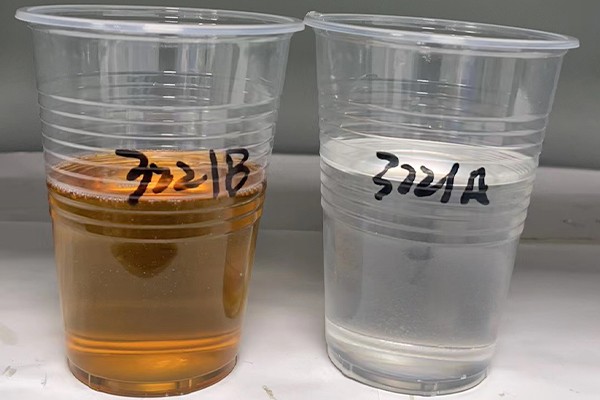
Liquid dyes, often alcohol-based, are the most popular choice for achieving vivid, translucent colors in epoxy resin. These dyes blend seamlessly into the resin, allowing light to pass through and create a stained-glass effect. For example, a deep blue alcohol ink can produce a mesmerizing oceanic hue when mixed with resin. When using liquid dyes, start with a small amount (1–2 drops per ounce of resin) and gradually increase to avoid over-saturation, which can lead to uneven curing or color bleeding. Stir thoroughly to ensure even distribution, using a transparent mixing cup to monitor color intensity in real time.
2.Pigment Powders and Mica Flakes
Pigment powders offer opaque, solid colors ideal for projects requiring bold, non-translucent finishes. These powders are mixed into the resin at a ratio of 1–5% by weight, depending on the desired opacity. For instance, adding 2% titanium dioxide pigment can create a pure white base for layered resin art. Mica flakes, on the other hand, introduce metallic or pearlescent effects, such as shimmering gold or iridescent silver. To prevent clumping, sift the powder into the resin gradually while stirring continuously.
3.Natural and Hybrid Materials
For eco-conscious creators, natural materials like dried flowers, crushed leaves, or mineral powders can add organic textures and earthy tones to epoxy resin. However, these materials must be thoroughly dried to prevent moisture from interfering with the curing process. Hybrid approaches, such as combining liquid dyes with mica flakes, can yield multi-dimensional effects. For example, a teal liquid dye mixed with silver mica flakes can mimic the appearance of abalone shell.
4.Advanced Techniques: Marbling and Layering
To create marble-like patterns, pour small amounts of differently colored resin into a mold and use a toothpick or skewer to gently swirl the colors. For layered effects, cure each color separately (e.g., a red base layer followed by a yellow top layer) to achieve sharp contrasts. Glow-in-the-dark pigments or thermochromic additives can further enhance visual appeal, making the resin glow under UV light or change color with temperature fluctuations.
Precautions When Coloring Epoxy Resin
1.Safety First
Uncured epoxy resin and its additives may release volatile organic compounds (VOCs) or cause skin irritation. Always work in a well-ventilated area, wear nitrile gloves, and use a respirator mask when handling large quantities. If resin contacts the skin, wash immediately with soap and water.
2.Proper Mixing Ratios
Epoxy resin cures through a chemical reaction between the resin and hardener. Deviating from the manufacturer’s recommended ratio (typically 1:1 or 2:1 by volume) can result in incomplete curing, soft spots, or discoloration. Use graduated mixing cups and a digital scale for precision, especially when adding pigments, which can alter the resin’s density.
3.Temperature and Humidity Control
The ideal curing environment for epoxy resin is 20–25°C (68–77°F) with humidity below 60%. High temperatures accelerate curing, reducing the working time, while low temperatures delay it, potentially causing bubbles or a cloudy finish. Use a space heater or dehumidifier to regulate conditions if necessary.
4.Testing and Iteration
Before starting a large project, conduct small-scale tests to evaluate color compatibility, curing time, and effect durability. Document the ratios and techniques used to replicate successful results. For example, a test pour might reveal that a particular brand of blue dye requires more stirring to avoid streaks.
Conclusion
Coloring epoxy resin is a blend of science and art, requiring careful selection of materials, precise execution, and adherence to safety protocols. By mastering liquid dyes, pigments, and hybrid techniques, creators can unlock endless possibilities—from vibrant jewelry to durable industrial coatings. However, success hinges on understanding the resin’s chemical properties, maintaining strict mixing ratios, and controlling environmental factors. Whether you’re a hobbyist or a professional, approaching epoxy resin coloring with patience and experimentation will yield stunning, long-lasting results. As this versatile material continues to evolve, so too will the creative applications of colored epoxy resin, cementing its role as a cornerstone of modern design and innovation.