Is epoxy resin heat resistant
You might wonder if epoxy resin can handle heat. Most types resist moderate temperatures, but some formulas work better in hot environments. High-temp versions give you more protection. Always check which epoxy resin suits your project. Using the right one helps you avoid heat damage.
Key Takeaways
Choose the right epoxy resin type for your project. Standard epoxy softens at high heat, while high-temp epoxy can withstand temperatures over 400°F.
Proper curing and using fillers can enhance heat resistance. Follow curing instructions and keep your workspace dry for the best results.
Always protect epoxy surfaces from heat. Use coasters or trivets under hot items to prevent damage.
Epoxy Resin Heat Resistance
Standard vs. High-Temp Epoxy
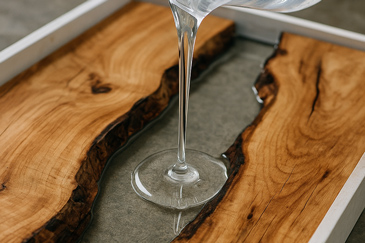
When you look at epoxy resin, you will find two main types: standard and high-temperature. Each type works best in different situations. Here is how they compare:
Standard epoxy resin has a heat deflection temperature (HDT) between 40°C and 60°C (104°F to 140°F). If you use it above these temperatures, it can soften or lose its strength.
High-temperature epoxy resin can handle much higher heat. Some types keep their strength even above 150°C (300°F).
Standard epoxy resin may discolor or crack if you use it in hot places. High-temp epoxy resists heat, chemicals, oils, and moisture better.
High-temp epoxy resin is made with special chemicals and fillers. This helps it stay strong in extreme heat.
You will often see high-temperature epoxy resin in places like airplanes, cars, and factories. It works well for bonding, repairs, and parts that get very hot.
Temperature Ranges
You might wonder how much heat different epoxy resins can take. The answer depends on the type you choose. Here is a table to help you see the differences:
Type of Epoxy Resin | Continuous Operating Temperature Range | Intermittent Temperature Tolerance |
|---|---|---|
Standard Room-Temperature Cure Epoxies | 60°C to 90°C (140°F to 194°F) | Short-term exposure to higher temps |
Heat-Cured Industrial Epoxies | 120°C to 180°C (248°F to 356°F) | N/A |
Specialty High-Temperature Epoxies | Up to 250°C (482°F) | Spikes up to 300°C (572°F) |
Some aerospace-grade epoxy resins can even handle up to 316°C (600°F) for special uses. Most projects do not need this much heat resistance, but it is good to know your options.
Factors Affecting Performance
Many things can change how well epoxy resin stands up to heat. Here are some important factors:
The curing process matters a lot. If you cure the resin well, it forms a strong network inside. This makes it more stable and heat-resistant.
Adding fillers like silica, alumina, or boron nitride can help. These fillers act as barriers and keep the resin from breaking down in heat.
Metal powders, such as aluminum, can also boost heat resistance and help spread heat more evenly.
Humidity can cause problems. If there is too much moisture during curing, the resin might turn cloudy or sticky. This can make it weaker when you use it in hot places.
The type of material you put in or under the resin matters. Wet wood or other porous items can release moisture and affect the final result.
Tip: For the best results, always follow the curing instructions and keep your workspace dry. If you need extra heat resistance, look for epoxy resin with special fillers or ask for a custom formula.
By understanding these factors, you can pick the right epoxy resin for your project and make sure it lasts, even in tough conditions.
Using Epoxy Resin for Heat Applications

Real-World Heat Exposure
You see epoxy resin in many places that get hot. Some common spots include:
Lab countertops in research centers
Pharmaceutical labs
School science rooms
Cleanrooms
In these places, people use epoxy resin because it stands up to heat, chemicals, and heavy use. In kitchens, high-temperature epoxy resin works well for countertops. Many users like its durability and heat resistance, but you should always wait for it to cure fully before using the surface.
Protecting Surfaces from Heat
You want your epoxy resin surface to last. Here are some do’s and don’ts:
Do:
Place coasters, trivets, or mats under hot pots and pans.
Use mild cleaning solutions to keep the surface looking good.
Wipe up spills quickly.
Don’t:
Pour epoxy resin in thick layers at once. This can trap heat and cause cracks.
Work in very cold or very hot rooms. Temperature and humidity can affect curing.
Use harsh chemicals for cleaning.
Tip: Adding special fillers like nanocrystalline cellulose or aluminum oxide nanoparticles can boost heat resistance and protect your surface from damage.
Choosing Epoxy Resin
Picking the right epoxy resin matters. Look for these features:
Criteria | Why It Matters |
|---|---|
Glass Transition Temperature | Keeps the surface strong at high heat |
Adhesion | Makes sure it sticks well to your materials |
Mechanical Strength | Handles heavy loads and daily use |
Environmental Resistance | Stands up to chemicals and temperature changes |
Union’s epoxy resin stands out for its quality and reliability. You can get custom formulas for special needs, and Union provides full technical support. Every product comes with an MSDS and meets strict safety standards like UL 94 and ISO 11925-2. This means you get a safe, high-performing product for any project.
You’ve learned that heat resistance depends on the type you pick. Here’s what matters most:
Standard types soften at high heat, while special formulas handle over 400°F.
Fillers and careful curing boost performance.
High-temp versions work best for long-term heat.
Always check quality, safety, and support before you choose.
FAQ
Can you put hot pans directly on epoxy resin countertops?
No, you should not. Always use a trivet or mat. Hot pans can damage the surface or leave marks.
How do you make epoxy resin more heat resistant?
You can choose a high-temp formula or ask for custom fillers. Union offers technical support to help you pick the best option.
Is epoxy resin safe for kitchen use?
Yes! Union’s epoxy resin meets safety standards and comes with an MSDS. You can use it for kitchen counters and tables.