What power field products adopt sheet molding compound as core raw material
Power field products often use sheet molding compound as their main material. These products include electrical enclosures, transformer components, switchgear panels, cable trays, meter boxes, and insulators. Union Composites supplies high-quality SMC for these applications. Their team ensures strong materials and reliable performance for every project.
Key Takeaways
Sheet molding compound (SMC) is a key material for power products like electrical enclosures and transformer components due to its strong electrical insulation and corrosion resistance.
SMC products maintain their shape and strength in harsh environments, making them ideal for outdoor and industrial applications.
Using SMC reduces the risk of electrical hazards, as it does not conduct electricity, ensuring safety for users and equipment.
SMC offers superior mechanical strength and durability compared to metals and thermoplastics, leading to longer-lasting products with lower maintenance needs.
Union Composites provides high-quality SMC solutions, ensuring reliability and performance for various power field applications.
Power Products Using Sheet Molding Compound
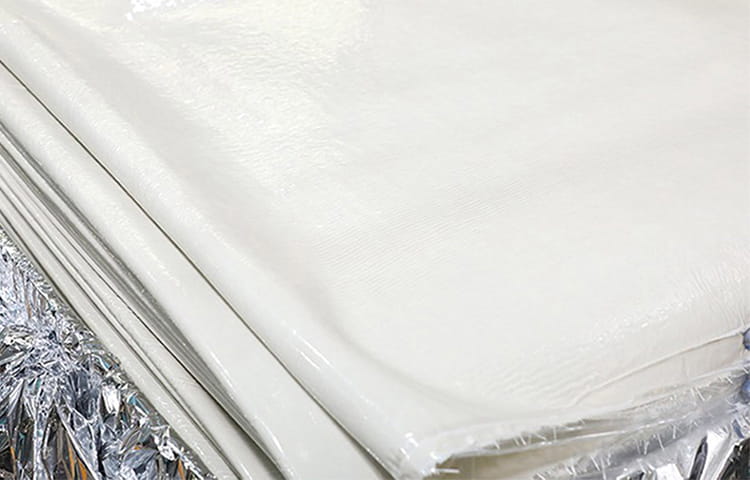
Electrical Enclosures
Electrical enclosures protect sensitive electrical equipment from dust, moisture, and accidental contact. Manufacturers use sheet molding compound to create these enclosures because it provides strong electrical insulation and resists corrosion. Union Composites supplies SMC for many types of enclosures, including:
Switchgear enclosures
Transformer housings
Meter boxes
These enclosures must meet strict safety standards. SMC enclosures do not conduct electricity, which keeps users safe. They also keep their shape and strength in harsh environments. The table below compares the mechanical properties of SMC with aluminum alloys:
Material Type | Tensile Strength (MPa) | Flexural Strength (MPa) |
|---|---|---|
Sheet Molding Compound (SMC) | 50–125 | 120–230 |
Aluminum Alloys | Comparable |
Transformer Components
Transformer components made from sheet molding compound include housings and junction boxes. These parts need to withstand high voltages and changing temperatures. SMC offers excellent mechanical properties, high electrical insulation, and corrosion resistance. Union Composites provides SMC materials that help transformers last longer and work safely. The following table shows the advantages of SMC in transformer components:
Property | Description |
|---|---|
High Dielectric Strength | Resists electrical breakdown under high voltage loads. |
Thermal Class up to 200°C | Stable performance under prolonged thermal cycling. |
Arc & Tracking Resistance | CTI >600V grades available for high-voltage assemblies. |
Dimensional Stability | Low creep; tight tolerances maintained after molding. |
Low Moisture Absorption | Retains insulation properties in humid environments. |
Flame Retardancy | Self-extinguishing grades per IEC standards. |
Switchgear Panels
Switchgear panels control and protect electrical circuits. SMC is a popular choice for these panels because it provides high dielectric strength and mechanical stability. Union Composites produces SMC that helps switchgear panels resist heat, fire, and electrical arcs. The table below highlights key performance metrics for SMC switchgear panels:
Property | Sheet Molding Compound (SMC) |
|---|---|
Primary Application | Low-Voltage (LV) |
Dielectric Strength | 10-20 kV/mm |
Mechanical Strength | High impact strength |
Thermal Resistance | Up to 155°C, Class F |
Track Resistance (CTI) | > 600V |
Water Absorption | Low |
Manufacturing | Fast cycle, high volume |
Weight | Lightweight |
Cost | Low |
Key Advantage | Cost-effective, flame retardancy, design flexibility |
SMC panels maintain their shape and strength even in demanding conditions. They also improve safety by reducing the risk of arc flash and fire.
Cable Trays
Cable trays organize and support electrical cables in buildings and industrial sites. Sheet molding compound makes cable trays strong and resistant to corrosion. Union Composites supplies SMC cable trays that perform well in harsh environments, such as chemical plants and coastal areas. The table below compares SMC (also known as GRP) with metal alternatives:
Material Type | Corrosion Resistance | Maintenance Needs | Load Capacity |
|---|---|---|---|
GRP | Superior | Low | High |
Steel | Prone to rust | High | Moderate |
Aluminum | Moderate | Moderate | Low |
SMC cable trays keep their structure even after years of exposure to moisture and chemicals.
Meter Boxes
Meter boxes house electric meters and protect them from weather and tampering. Manufacturers use sheet molding compound for meter boxes because it resists corrosion and moisture. Union Composites offers SMC meter boxes that meet important certifications, such as BDS IEC 61439 and BSTI. These certifications ensure the boxes are safe and reliable for use in different climates, including humid regions.
SMC meter boxes resist rust and water damage.
They meet international and local safety standards.
Insulators
Insulators prevent unwanted flow of electricity between conductors. SMC insulators provide high electrical insulation and resist corrosion. Union Composites produces SMC insulators that work well in both indoor and outdoor settings. These insulators keep their properties even in humid or polluted environments, making them a safe choice for power systems.
Union Composites delivers sheet molding compound solutions for all these power products, ensuring durability, safety, and long-term performance.
Application Scenarios for SMC Products
Power Distribution Systems
Power distribution systems need strong and safe materials. Companies use sheet molding compound to make parts like switchgear panels, cable trays, and insulators. These parts help control and protect electricity as it moves from power plants to homes and businesses. SMC keeps these systems safe because it does not conduct electricity and stands up to heat and moisture. Workers can install SMC products in many places, including underground vaults and overhead lines.
Substations and Industrial Sites
Substations and industrial sites face tough conditions. Rain, dust, and chemicals can damage regular materials. SMC products, such as transformer housings and electrical enclosures, work well in these places. They resist rust and do not break down when exposed to harsh weather or chemicals. Many factories and power stations choose SMC because it lasts a long time and needs little maintenance. This helps keep power running smoothly and safely.
Indoor and Outdoor Electrical Protection
People use SMC products both indoors and outdoors. Meter boxes and cable trays made from SMC protect electrical equipment inside buildings and outside in open areas. These products keep water, dirt, and animals away from wires and devices. SMC also helps prevent fires because it does not burn easily. This makes it a smart choice for schools, hospitals, shopping centers, and outdoor power lines.
The use of SMC in electrical and construction sectors has grown quickly in recent years. In 2024, the electrical sector saw a 28% increase in SMC adoption. The construction sector used 40,000 tons of SMC, while the electrical and energy sector used 60,000 tons. Total SMC production in the United States reached 320,000 tons in 2024.
Sector | Growth Rate/Usage (Metric Tons) | Year |
|---|---|---|
Electrical | 28% increase in SMC adoption | 2024 |
Construction | 40,000 tons used | 2024 |
Electrical & Energy | 60,000 tons used | 2024 |
Total SMC Production | 320,000 tons in the U.S. | 2024 |
SMC products help power systems stay safe and reliable in many different places.
Why Choose Sheet Molding Compound
Electrical Insulation and Safety
Sheet molding compound offers outstanding electrical insulation. Power products need materials that can handle high voltages and currents. Electrical resistivity is a key factor in choosing the right material for circuit applications. SMC withstands voltage stresses from hundreds to several kilovolts. This helps prevent leakage currents and electrical breakdown. The analysis of resistivity also predicts long-term performance and sets safety margins for power field products.
SMC keeps circuits safe by blocking electricity flow.
It protects users and equipment from electrical hazards.
Corrosion and Weather Resistance
SMC resists chemicals, moisture, and UV light. Its crosslinked structure stops chemical penetration and prevents degradation. Many companies use SMC in electrical junction boxes and outdoor panels. These products keep their strength and shape even in harsh environments.
SMC maintains performance when exposed to rain, dust, or chemicals.
It works well in both indoor and outdoor settings.
Mechanical Strength and Durability
SMC shows superior impact resistance. It absorbs 30% more energy during collisions than fiberglass. The compressive strength of SMC ranges from 200 to 300 MPa, which is higher than fiberglass. SMC keeps 95% of its original strength after 20 years in wind turbine blades. Marine tests show no degradation after 1,000 hours in saltwater. The automated production process results in a lower defect rate, ensuring consistent mechanical properties.
SMC helps power products last longer and stay strong under stress.
Cost and Production Efficiency
Union Composites uses advanced manufacturing techniques to produce SMC. The process includes resin paste application, glass fiber layering, maturation, charge preparation, compression molding, and finishing. This method achieves high production efficiency, excellent surface finish, tight dimensional tolerances, low scrap, and supports complex designs.
Advantage | Description |
|---|---|
High production efficiency | Faster manufacturing cycles |
Excellent surface finish | Achieves Class A surfaces |
Tight tolerances | Precise dimensions, less rework |
Low scrap and waste | Minimizes material loss, saves costs |
Complex designs | Integrates features in one process |
Union Composites follows strict quality management systems, including ISO 9001 and IATF 16949 certifications. These standards guarantee consistent product quality and full traceability.
SMC vs. Alternative Materials
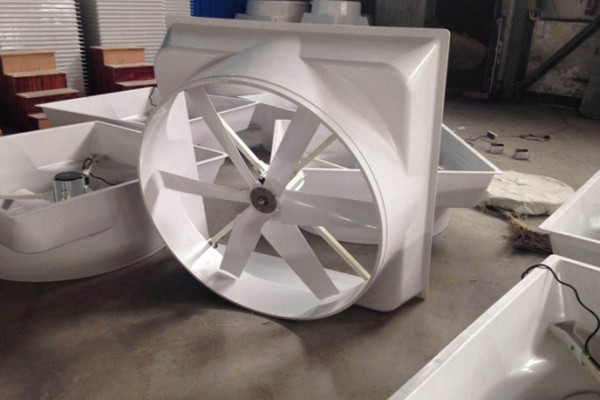
SMC vs. Metal
Many power products use metal, such as steel or aluminum, for their strength and durability. Sheet molding compound offers several advantages over metal. SMC does not conduct electricity, which makes it safer for electrical enclosures and panels. Metal can rust or corrode when exposed to moisture or chemicals, but SMC resists these problems. SMC also weighs less than most metals, making installation easier and reducing support structure needs. In addition, SMC allows for more complex shapes and integrated features during molding, while metal often requires extra steps for shaping and finishing.
Property | SMC | Metal |
|---|---|---|
Electrical Insulation | Excellent | Poor |
Corrosion Resistance | High | Varies |
Weight | Lightweight | Heavy |
Design Flexibility | High | Moderate |
Maintenance | Low | Can be high |
SMC provides a safer and more versatile choice for many power field applications.
SMC vs. Thermoplastics
Thermoplastics, such as PVC or polycarbonate, are common in electrical products. However, SMC outperforms thermoplastics in several key areas:
SMC has higher stiffness and strength.
It offers improved thermal performance and greater thermal stability.
SMC experiences lower shrinkage and creep, with reduced residual stress.
SMC absorbs more impact energy, showing superior mechanical strength.
Thermoplastics may cost less at first, but SMC products last longer and need less replacement. SMC also keeps its shape and properties under heat and stress, while thermoplastics can deform or weaken.
SMC vs. Other Composites
Other composites, like fiberglass or Bakelite, also appear in power products. SMC stands out because of its homogeneous structure and optimized fiber distribution. In collision tests, SMC absorbed 30% more energy than fiberglass. Its compressive strength ranges from 200 to 300 MPa, higher than most fiberglass composites. Bakelite components can last up to 30 years, but SMC matches or exceeds this durability while offering better impact resistance and design flexibility.
Sheet molding compound gives manufacturers a reliable, safe, and long-lasting material for power field products.
Sheet molding compound helps create strong electrical enclosures, transformer parts, switchgear panels, cable trays, meter boxes, and insulators. These products show high safety, durability, and resistance to harsh conditions. Many companies choose this material because it does not conduct electricity and lasts a long time. Union Composites supplies dependable SMC solutions for every power project.
FAQ
What is sheet molding compound (SMC)?
Sheet molding compound is a ready-to-mold composite material. It combines fiberglass with resin. Manufacturers use SMC to make strong, lightweight, and safe parts for electrical products.
Why do power products use SMC instead of metal?
SMC does not conduct electricity. It resists rust and chemicals. SMC weighs less than metal. Workers find SMC easier to install and shape.
Can SMC products be used outdoors?
Yes, SMC products work well outdoors. They resist rain, sunlight, and temperature changes. SMC keeps its strength and shape in harsh weather.
Are SMC products safe for high-voltage applications?
Feature | SMC Performance |
|---|---|
Electrical Insulation | Excellent |
Flame Retardancy | High |
Arc Resistance | Strong |
SMC products protect users and equipment in high-voltage settings.