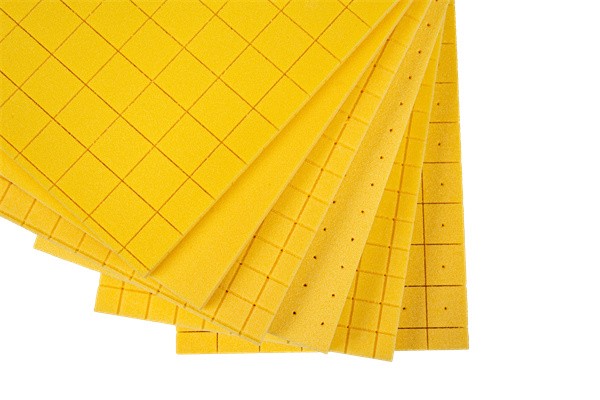
Is pvc foam waterproof
Polyvinyl chloride foam (PVC) has emerged as a versatile material across industries, from construction to marine applications, due to its lightweight, durability, and cost-effectiveness. A critical question for designers, engineers, and consumers alike is whether PVC foam is truly waterproof. This article explores the material’s structure, performance in real-world scenarios, and comparative advantages to provide a definitive answer.
The Science Behind PVC Foam’s Water Resistance
PVC foam is engineered through a foaming process that introduces gas bubbles into polyvinyl chloride resin, creating a closed-cell structure. Unlike open-cell foams, where water can seep into interconnected pores, PVC foam’s sealed cells act as impermeable barriers. This structural design, combined with PVC’s inherent chemical stability, ensures that water cannot penetrate the material under normal conditions.
Laboratory tests confirm this property: PVC foam exhibits a water absorption rate as low as 0.08%, far below that of traditional materials like wood (which can absorb up to 20% of its weight in water). This makes it ideal for applications requiring long-term moisture resistance, such as outdoor signage, marine components, and construction insulation.
Real-World Applications Prove Its Waterproof Credentials
PVC foam’s exceptional waterproof properties make it an ideal choice for manufacturing high-performance custom buoyancy modules and structural components for marine engineering, capable of withstanding high pressure and corrosion in extreme deep-sea environments. Please see the actual marine application cases of our PVC Foam: < Custom-Shaped Structural PVC Foam for Marine Applications | High-Performance Buoyancy Solution >
PVC foam’s waterproof performance has been validated across demanding environments:
1.Construction Industry:Used as thermal and acoustic insulation in buildings, PVC foam panels resist condensation and rainwater infiltration. For example, in coastal regions with high humidity, PVC foam cladding maintains structural integrity without warping or rotting, unlike wood or metal alternatives.
2.Marine Applications:Boat manufacturers rely on PVC foam for decking, hulls, and floatation devices. Its ability to withstand saltwater exposure without corrosion or degradation ensures longevity in harsh marine conditions.
3.Packaging and Logistics:Waterproof PVC foam cases protect electronics and medical equipment during transit. The material’s resistance to liquid spills and humidity prevents damage to sensitive goods.
4.Deep-Sea Engineering:Advanced PVC foam variants are now used in submersible vehicles, where pressure resistance and waterproofing are non-negotiable. These applications demonstrate PVC foam’s capacity to perform under extreme conditions.

Comparative Advantages Over Traditional Materials
When pitted against wood, metal, or acrylic, PVC foam’s waterproofing stands out:
Wood: Absorbs water, leading to swelling, rot, and mold growth. PVC foam remains dimensionally stable, even in wet environments.
Metal: Corrodes when exposed to moisture, compromising structural integrity. PVC foam’s chemical inertness prevents rust and degradation.
Acrylic: While water-resistant, acrylic lacks PVC foam’s impact resistance and thermal insulation properties, making it less suitable for load-bearing or temperature-sensitive applications.
Additionally, PVC foam core’s lightweight nature (density ranging from 5 to 18 pounds per cubic foot) reduces transportation costs and installation complexity without sacrificing strength. It can withstand over 10 times the weight of wood panels of the same thickness, making it a cost-effective alternative for high-stress environments.
Addressing Misconceptions: Limitations and Best Practices
Despite its robustness, PVC foam is not entirely indestructible. Prolonged exposure to UV radiation or extreme temperatures can degrade its surface over time, though modern additives mitigate this risk. Cut edges or drilled holes may require sealing with waterproof coatings to maintain full protection, as these areas could allow water ingress if left untreated. However, these precautions are minor compared to the maintenance demands of traditional materials.
Conclusion: PVC Foam as a Waterproof Champion
In conclusion, PVC foam is undeniably waterproof, thanks to its closed-cell structure, non-porous surface, and chemical resilience. From safeguarding electronics in transit to enduring decades of coastal weather, PVC foam outperforms wood, metal, and acrylic in moisture-prone settings. While edge sealing and UV protection enhance its longevity, the material’s core waterproofing properties remain unmatched in its class. For industries seeking a low-maintenance, durable, and versatile solution, PVC foam continues to prove itself as the go-to choice for waterproof applications. Its ability to balance performance, affordability, and sustainability ensures its relevance in an era where material efficiency is paramount. Whether in construction, marine engineering, or everyday packaging, PVC foam’s waterproof advantages are clear—and here to stay.
- Prev: How to sand epoxy resin
- Next: What is smc