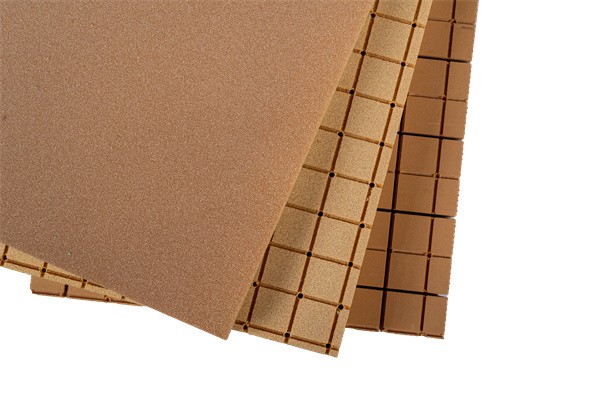
What are the different types of sheet molding compounds
Sheet Molding Compound (SMC) is a thermoset composite material widely used in compression molding for producing high-strength, lightweight components across industries such as automotive, aerospace, construction, and electrical systems. Originating in Europe in the 1960s and later adopted by the U.S. and Japan, SMC has evolved into multiple specialized variants tailored to specific performance requirements. This article explores the primary types of SMC, their composition, and applications.
1.Standard Sheet Molding Compound (SMC)
Standard SMC is the most common variant, composed of unsaturated polyester resin, glass fibers (25–50 mm in length), fillers (e.g., calcium carbonate, aluminum trihydrate), thickeners, initiators, and low-shrinkage additives. The material is packaged between polyethylene or polypropylene films to maintain consistency.
Key Characteristics:
Density: 1.7–1.9 g/cm³
Mechanical Properties: High flexural strength (>85 MPa), tensile strength (50–100 MPa), and impact resistance.
Thermal Stability: Operates at temperatures ranging from -50°C to 200°C.
Processability: Designed for compression molding with short cycle times (1–5 minutes).
Applications:
Standard SMC dominates automotive body panels (e.g., car hoods, fenders), electrical enclosures, and construction components (e.g., water tanks, building templates). Its balance of cost and performance makes it ideal for mass production.
2.High-Strength Sheet Molding Compound (HMC)
HMC is engineered for applications requiring superior mechanical properties. It reduces filler content and increases glass fiber content to 65%, with fibers oriented in a single direction during molding.
Key Characteristics:
Strength: Flexural strength up to 250 MPa (3× standard SMC).
Fiber Orientation: Unidirectional alignment enhances load-bearing capacity.
Weight Reduction: Enables lightweighting in structural components.
Applications:
HMC is used in automotive suspension parts, aerospace structural elements, and industrial machinery where high stiffness-to-weight ratios are critical. For example, North American manufacturers employ HMC in engine cradles to reduce vehicle weight by up to 40%.
3.Cross-Linked Sheet Molding Compound (XMC)
XMC represents the pinnacle of SMC technology, featuring continuous glass fibers (70–80% by volume) arranged in an X-shaped cross pattern. This configuration eliminates fillers and maximizes fiber-to-resin bonding.
Key Characteristics:
Strength: Tensile strength exceeding 600 MPa (4× steel in specific directions).
Anisotropy: Designed for directional load applications.
Thermal Resistance: Withstands temperatures up to 250°C.
Applications:
XMC is deployed in high-performance automotive components (e.g., chassis parts, battery enclosures for electric vehicles) and aerospace structures (e.g., wing spars). Its use in Tesla’s Model S battery casing reduced weight by 35% while maintaining crash safety standards.

4.Thick Molding Compound (TMC)
TMC is a variant with increased thickness (10–50 mm) and enhanced flowability, achieved through optimized resin viscosity and fiber dispersion.
Key Characteristics:
Thickness: Suitable for complex geometries.
Mold Filling: Improved resin flow reduces voids and defects.
Surface Finish: Low-shrinkage additives minimize warping.
Applications:
TMC is used in large automotive parts (e.g., truck beds, roof panels) and industrial equipment housings. Its ability to mold intricate shapes with minimal post-processing has made it popular in European railcar interior components.
5.Bulk Molding Compound (BMC) vs. SMC
While BMC is often grouped with SMC, it differs in composition and processing. BMC uses shorter glass fibers (3–6 mm) and higher filler content (up to 50%), resulting in lower mechanical strength but better flowability for intricate molds.
Key Differences:
Fiber Length: SMC (25–50 mm) vs. BMC (3–6 mm).
Viscosity: BMC is more fluid, suitable for injection molding.
Strength: SMC outperforms BMC in structural applications.
Applications:
BMC is preferred for small electrical components (e.g., circuit breakers, connectors) and consumer goods (e.g., kitchenware), where cost and moldability outweigh strength requirements.
6.Specialty SMC Variants
A. Flame-Retardant SMC
Formulated with halogen-free additives (e.g., aluminum trihydrate), this variant meets UL94 V-0 standards for electrical enclosures and mass transit interiors.
B. Conductive SMC
Incorporates carbon fibers or metallic fillers to achieve electromagnetic interference (EMI) shielding, used in 5G infrastructure and automotive electronics.
C. Bio-Based SMC
Replaces petroleum-derived resins with bio-polyesters (e.g., corn-based polyols), reducing carbon footprints by 20–30%. Companies like Ashland and Reichhold have commercialized bio-SMC for eco-friendly automotive parts.
Conclusion
Sheet Molding Compound has diversified into a family of materials tailored to industry-specific demands. From standard SMC’s cost-effectiveness to XMC’s ultra-high strength, each variant addresses unique challenges in weight, durability, and thermal performance. The global SMC market, valued at 3.5billionin2024,isprojected to reach 6 billion by 2029, driven by automotive electrification and sustainable manufacturing trends. As material science advances, sheet molding compound will continue to evolve, offering innovative solutions for lightweighting, energy efficiency, and circular economy goals. Its adaptability ensures its relevance across industries, solidifying its position as a cornerstone of modern composite engineering.