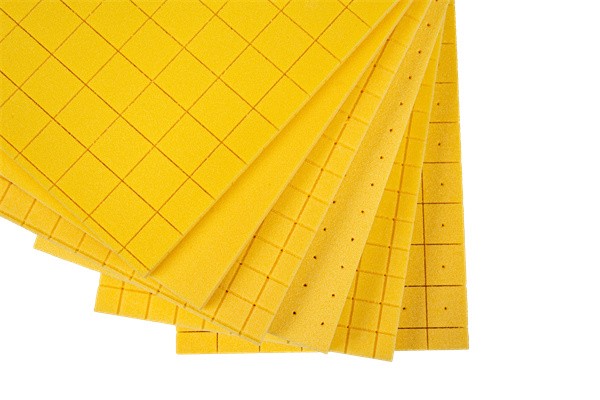
How to cut pvc foam board
PVC foam board, a lightweight and versatile material, has gained immense popularity across various industries, from advertising and signage to construction and interior design. Its unique combination of durability, moisture resistance, and ease of fabrication makes it an ideal choice for numerous applications. However, cutting PVC foam board accurately and cleanly requires proper techniques and tools to achieve the desired results without damaging the material. This article will delve into the step-by-step process of cutting PVC foam board, along with essential precautions to ensure a smooth and successful operation.
Effective Methods for Cutting PVC Foam Board
1.Utilizing a Utility Knife
A utility knife is a simple yet effective tool for cutting thin PVC foam boards. To begin, measure and mark the desired cut line on the board using a straight edge and a pencil. Ensure the line is clear and precise to guide your cutting accurately. Place the PVC foam board on a stable and flat surface, preferably a cutting mat or a piece of scrap wood to protect the underlying surface. Hold the utility knife at a slight angle to the board and apply firm, even pressure as you draw the blade along the marked line. Repeat this process several times, gradually increasing the depth of the cut until you completely penetrate the board. For cleaner cuts, you can make multiple passes with the knife, ensuring each pass follows the same line precisely.
2.Employing a Circular Saw
For thicker PVC foam boards or when making long, straight cuts, a circular saw is a more efficient option. First, select a fine-toothed carbide-tipped blade suitable for cutting plastic materials. This type of blade will minimize chipping and provide a smoother finish. Secure the PVC foam board firmly to a workbench or a sawhorse using clamps to prevent it from moving during the cutting process. Adjust the depth of the circular saw blade so that it extends just slightly beyond the thickness of the board. Align the saw's guide fence with the marked cut line and start the saw. Slowly push the saw forward along the line, maintaining a steady speed and applying consistent pressure. Keep your hands away from the blade and follow all safety guidelines for using a circular saw.
3.Using a Jigsaw
A jigsaw is an excellent choice for making curved or irregular cuts in PVC foam board. Similar to the circular saw, choose a fine-toothed blade designed for plastic cutting. Mark the desired shape or curve on the board accurately. Secure the board in place, and drill a small hole at the starting point of the cut if necessary to insert the jigsaw blade. Insert the blade into the hole and start the jigsaw. Guide the blade along the marked line, moving the saw smoothly and steadily. For tight curves, reduce the speed of the jigsaw and make small, incremental cuts to achieve a precise result.
4.Laser Cutting for Precision
In industrial or professional settings where high precision and intricate designs are required, laser cutting is a highly effective method for cutting PVC foam board. Laser cutting machines use a focused laser beam to melt and vaporize the material along the programmed cut line. This method offers exceptional accuracy, clean edges, and the ability to create complex shapes with ease. However, laser cutting requires specialized equipment and training, making it more suitable for large-scale production or professional workshops.

Precautions When Cutting PVC Foam Board
1.Safety First
Always prioritize safety when cutting PVC foam board. Wear appropriate personal protective equipment, including safety glasses to protect your eyes from flying debris, gloves to safeguard your hands from sharp edges, and a dust mask to prevent inhalation of PVC particles. When using power tools such as circular saws or jigsaws, follow the manufacturer's safety instructions carefully and ensure the tools are in good working condition.
2.Proper Ventilation
Cutting PVC foam board can generate fumes and dust. Work in a well-ventilated area, preferably outdoors or in a workshop with an exhaust system. If working indoors, open windows and use fans to circulate the air and remove any fumes or dust particles.
3.Avoid Excessive Heat
PVC foam board is sensitive to heat. When using power tools, avoid applying excessive pressure or running the tools at high speeds for extended periods, as this can generate heat and cause the material to melt or deform. Take breaks during long cutting sessions to allow the tools and the board to cool down.
4.Support the Board Properly
Ensure that the PVC foam board is adequately supported during the cutting process. Uneven support can cause the board to bend or vibrate, resulting in inaccurate cuts or damage to the material. Use a stable workbench or sawhorses and additional supports if necessary to keep the board flat and secure.

Conclusion
Cutting PVC foam board can be a straightforward process when you have the right tools, techniques, and precautions in place. Whether you choose a utility knife for simple cuts, a circular saw for straight lines, a jigsaw for curves, or laser cutting for high precision, understanding the characteristics of PVC foam board and following the appropriate steps will help you achieve clean, accurate cuts. By prioritizing safety, proper ventilation, and careful handling of the material, you can successfully fabricate PVC foam board for a wide range of projects, unlocking its full potential in various applications. With practice and attention to detail, you'll be able to cut PVC foam board with confidence and create high-quality finished products.