What are the applications of sheet molding compound
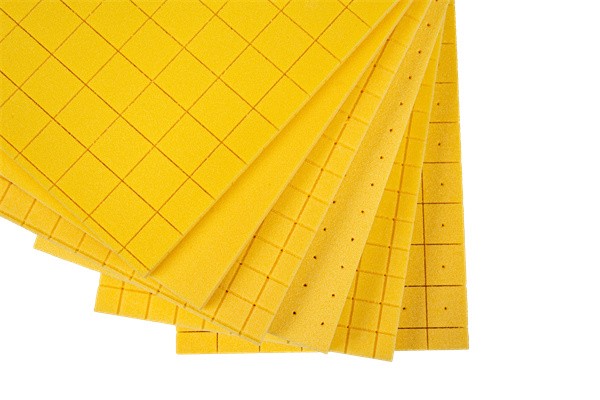
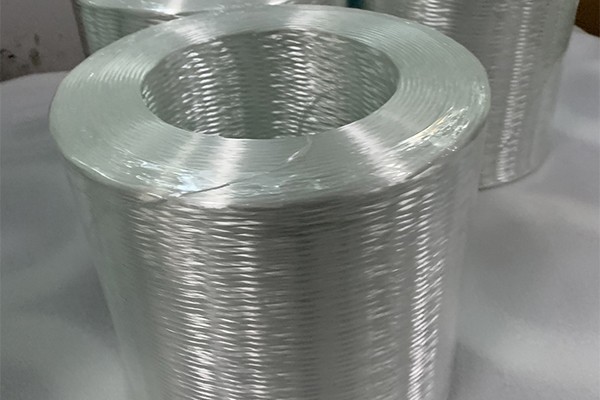
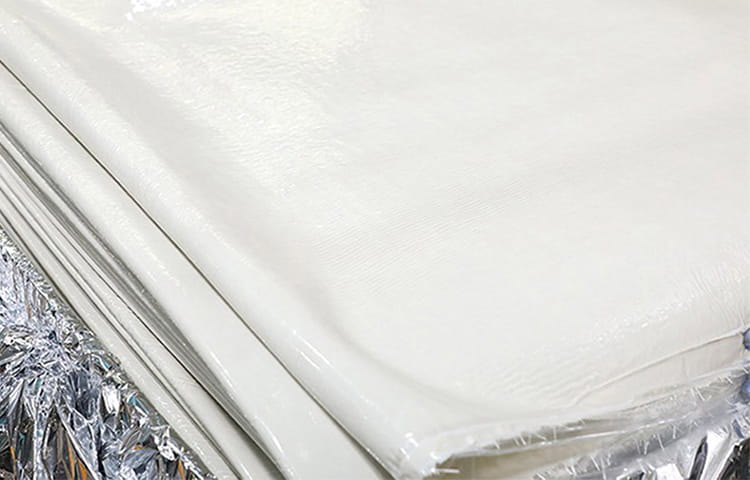
Sheet Molding Compound (SMC), a fiber-reinforced thermosetting composite material, has emerged as a cornerstone of modern manufacturing due to its exceptional strength-to-weight ratio, corrosion resistance, and design flexibility. Composed of unsaturated polyester resin, chopped glass or carbon fibers, fillers, catalysts, and stabilizers, SMC is processed through compression molding to produce high-performance components. This article explores its diverse applications across industries, highlighting how its unique properties drive innovation and efficiency.
Automotive Industry: Lightweighting and Structural Reinforcement
The automotive sector is the largest consumer of SMC, leveraging its lightweight yet durable nature to meet stringent fuel efficiency and emissions standards. Since the 1990s, SMC production in the U.S. has surged, with output growing from 65,000 tons in 1990 to 125,000 tons by 2000, and a projected 25% increase by 2003. Today, SMC dominates exterior body panels, hoods, trunk lids, and fenders due to its superior surface finish and resistance to dents and corrosion. For instance, Ford’s F-150 pickup trucks utilize SMC hoods to reduce weight by up to 30% compared to steel alternatives, enhancing fuel economy without compromising safety.
SMC’s role extends beyond aesthetics. Structural components like cross-car beams and suspension brackets benefit from its high tensile strength and impact resistance. Modern formulations incorporating carbon fiber prepreg waste—a byproduct of aerospace manufacturing—further enhance stiffness, enabling applications in electric vehicle (EV) battery enclosures and chassis parts. This recycling innovation not only reduces material costs but also aligns with sustainability goals by diverting waste from landfills.
Infrastructure and Construction: Durability in Harsh Environments
SMC’s resistance to chemicals, UV radiation, and moisture makes it ideal for infrastructure projects requiring long-term durability. In water management systems, SMC panels are used to construct modular reservoirs and manhole covers, particularly in regions like Hebei Province, China, where fiberglass-reinforced SMC tanks support agricultural irrigation and municipal water storage. These tanks withstand corrosive environments and seismic activity, offering a cost-effective alternative to traditional concrete or steel structures.
In electrical infrastructure, SMC enclosures house transformers and junction boxes, protecting sensitive components from environmental degradation. Unlike metal, SMC does not conduct electricity, reducing the risk of short circuits, while its flame-retardant properties enhance fire safety. For example, Siemens employs SMC for outdoor electrical cabinets in coastal regions, where salt spray and humidity would rapidly corrode metal alternatives.
Consumer Electronics and Appliances: Design Flexibility and Thermal Management
SMC’s ability to be molded into complex shapes with minimal post-processing has revolutionized consumer electronics and appliance design. Business equipment cabinets, such as those for servers or medical devices, utilize SMC for its electromagnetic interference (EMI) shielding capabilities and aesthetic versatility. The material’s low thermal conductivity also aids in heat dissipation, critical for devices like laptops and LED displays.
In the appliance sector, SMC is replacing metal in washing machine drums and refrigerator liners. Its lightweight nature reduces energy consumption during operation, while its resistance to stains and odors improves product lifespan. Whirlpool’s use of SMC in front-load washing machines, for instance, has reduced noise levels by 40% compared to steel drums, enhancing user experience.
Aerospace and Defense: High-Performance and Cost Efficiency
While aerospace applications traditionally favor autoclave-cured carbon fiber composites, SMC is gaining traction for non-critical structural parts due to its cost efficiency and rapid production cycles. Airbus and Boeing now incorporate SMC-based components in interior panels, cargo liners, and ducting systems, where weight savings directly translate to fuel economy. The material’s ability to be molded into large, integrated structures reduces assembly time and part count, streamlining manufacturing.
In defense, SMC’s ballistic resistance and radar transparency make it suitable for vehicle armor and antenna covers. The U.S. Army’s use of SMC-reinforced composite panels in Humvee doors has demonstrated a 25% weight reduction compared to steel, while maintaining protection against small-arms fire.
Sustainability and Circular Economy Innovations
SMC’s role in sustainability extends beyond product performance. The material’s recyclability and compatibility with recycled fibers—such as reclaimed glass from wind turbine blades or automotive waste—are driving circular economy initiatives. Researchers at Georgia Tech have developed SMC formulations using carbon fiber prepreg trim waste, producing composites with stiffness comparable to traditional glass-filled SMC at a fraction of the cost. This innovation not only reduces reliance on virgin materials but also addresses the aerospace industry’s growing prepreg waste problem.
Additionally, SMC’s long lifespan and low maintenance requirements reduce the need for replacements, lowering lifecycle environmental impact. A 2024 study by the University of Michigan found that SMC-based automotive components have a 15% lower carbon footprint over 10 years compared to steel equivalents, even when accounting for production emissions.
Conclusion
Sheet Molding Compound has cemented its status as a transformative material across industries, from automotive lightweighting to sustainable infrastructure. Its unique combination of strength, durability, and design flexibility enables manufacturers to meet evolving performance demands while reducing environmental impact. As innovations in recycling and material science continue, SMC’s applications are poised to expand further, solidifying its role as a critical enabler of efficient, resilient, and sustainable manufacturing. Whether in the body panels of electric vehicles, the enclosures of smart grids, or the armor of military vehicles, Sheet Molding Compound remains at the forefront of material innovation, driving progress in an era of rapid technological and environmental change.