What is PVC foam and what are its uses
PVC foam is a durable, lightweight, closed-cell synthetic material manufactured from expanded Polyvinyl Chloride resin. An internal micro-cellular foaming process provides this engineered sheet with an exceptionally high strength-to-weight ratio. The tightly sealed cell structure completely blocks liquid absorption, delivering superior moisture resistance across demanding operational environments. Industrial manufacturers frequently select high-performance PVC foam as an eco-friendly replacement for traditional plywood, MDF, and heavy sheet metal. These modern composite panels deliver outstanding structural stability across diverse production sectors. Discerning project teams actively examine essential material characteristics, key physical benefits, density classifications, and major real-world applications to select ideal structural components.
Key Takeaways
PVC foam offers a waterproof, lightweight, and durable alternative to traditional plywood, MDF, and sheet metal.
The closed-cell structure prevents rot, termite damage, and liquid absorption, ensuring a long operational lifespan.
Contractors use synthetic sheets for cabinetry, wall panels, marine hulls, vehicle floors, and vibrant outdoor signage.
Engineers select specific board densities to achieve the perfect balance between low overall weight and strong load capacity.
What Is PVC Foam Board
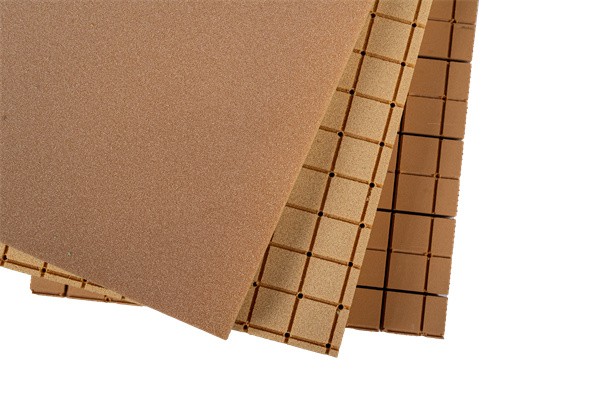
Industrial manufacturers produce modern synthetic board products through advanced expansion and foaming technology. Extrusion equipment heats Polyvinyl Chloride compound together with a chemical blowing agent inside a temperature-controlled barrel. The chemical blowing agent decomposes during heating to generate millions of uniform gas bubbles throughout the mixture. This expanding material flows continuously out through specialized extrusion dies, forming a rigid structure with an internal network of closed cells. UNION COMPOSITE leads the global industrial sector by offering high-performance synthetic sheets crafted with eco-friendly formulations. These advanced production methods eliminate hazardous additives completely, delivering safe products that meet strict environmental compliance standards for modern production facilities.
Cell Structure and Composition
The closed-cell structure consists of completely sealed, non-porous individual gas pockets. These trapped gas spaces prevent air, water vapor, and liquid water from passing through the solid material core. This unique structural micro-geometry blocks moisture absorption entirely, reducing the risk of mold growth or interior structural corrosion. The sealed cell design maintains full sealing integrity even under heavy physical compression, creating a durable barrier against harsh outdoor environments.
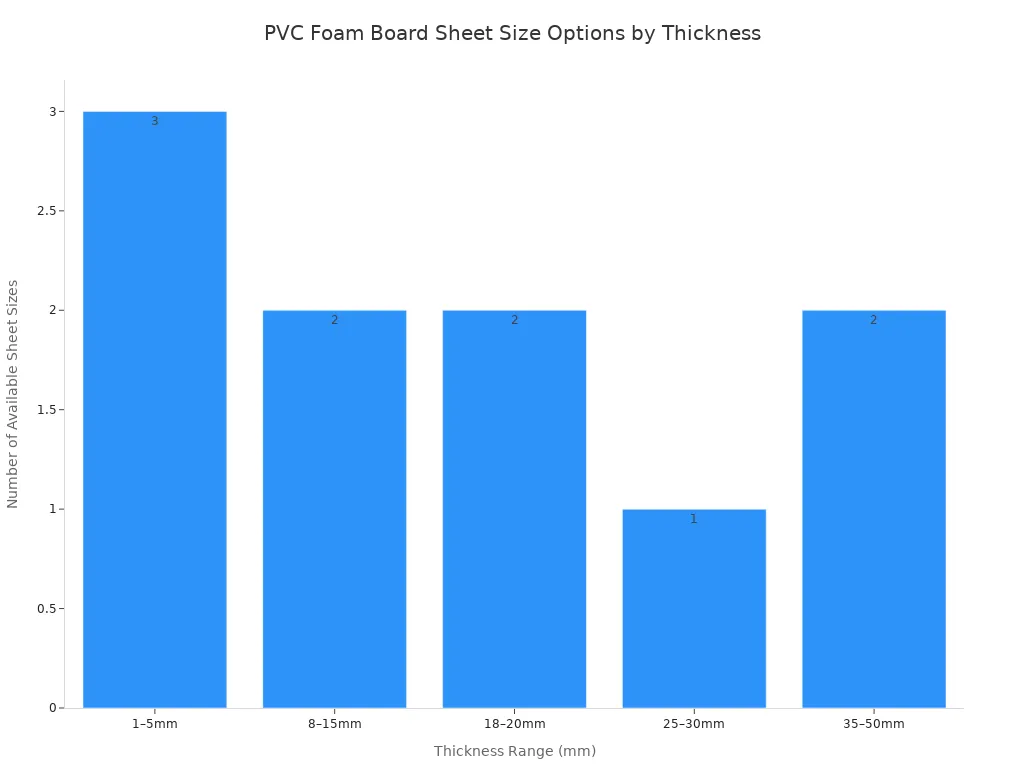
Thickness Range | Standard Sheet Sizes |
|---|---|
1–5mm | 1220×2440mm, 1560×3050mm, custom |
8–15mm | 1220×2440mm, 1560×3050mm |
18–20mm | 1220×2440mm (dominant), some 1560×3050mm |
25–30mm | 1220×2440mm |
35–50mm | 1220×2440mm (standard) or custom billet |
Standard single-layer panel thicknesses include 2mm, 3mm, 6mm, 12mm, 12.7mm, 19mm, and 25mm. Additional thicknesses beyond 50mm up to 80mm remain available for specialized projects. Fabricators routinely select standard sheet dimensions like 48"x96", 48"x120", 50"x99", or 60"x120" sheets based on project specifications.
Density Range (g/cm³) | Typical Application |
|---|---|
0.45–0.55 | General construction (medium-density) |
0.55–0.70 | High-load applications (high-density) |
0.60–0.80 | Interior decoration & construction |
0.80–1.10 | Heavy-duty structural uses |
Structural Foam Core Technology
Manufacturing processes directly control the final surface hardness, outer texture, and core density of expanded core materials. Different physical molding techniques yield distinct performance characteristics across three primary sheet production methods:
Type | Mold Opening | Foaming Behavior | Surface Characteristics |
|---|---|---|---|
Free foam | Larger than product thickness | Material fully foams inside the mold | Softer surface, less scratch resistance |
Celuka | Smaller than product thickness | Skin material restricted from foaming, forming strong crust | Harder surface, smooth finish, scratch resistant |
Co-extruded | Two molds used simultaneously | Core layer thick and foamed; upper and bottom skins thin and unfoamed | Very shiny and super hard surface |
Free foam boards exhibit lower core density with an open-cell, microporous, softer surface where a coin easily leaves a white scratch. Celuka co-extruded PVC foam features a dense, non-porous integral skin that resists scratching completely so a coin does not scratch the surface. This hardened Celuka skin provides higher surface hardness and cleaner CNC edges during precision cutting operations. Co-extrusion employs two molds simultaneously to form a thick foamed core layer encased between thin, unfoamed upper and bottom surface skins, producing a very shiny, super hard surface. Selecting targeted material densities allows design engineers to balance low overall weight with high structural load capacity. Engineered PVC foam products deliver long-term structural performance across diverse industrial applications.
Key Benefits of PVC Foam
Waterproof and Chemical Resistance
Synthetic expanded panels protect modern structures against severe liquid exposure. Unlike organic building materials, closed-cell structures prevent fluid migration completely.
Closed-cell PVC foam exhibits very low water absorption: less than 1% by weight after 24 hours of immersion.
This tight seal blocks internal rot and bacterial growth in damp environments.
PVC foam sheets, as a type of PVC sheet, are explicitly stated to have excellent chemical resistance, being resistant to acids, alkalis, salts, and many industrial chemicals.
Manufacturing facilities utilize these inert panels inside harsh processing areas. The non-porous surface withstands severe cleaning agents without surface degradation.
Lightweight Strength and Durability
Advanced expansion methods yield high structural efficiency. Engineered sheets provide rigidity and impact resistance comparable to wood, plywood, or solid plastics, while being significantly lighter. Heavy impact applications may still require solid wood, yet expanded synthetic boards satisfy most daily mechanical loads.
Compared to traditional timber options, synthetic panels deliver clear functional advantages:
Waterproof: Synthetic core board is fully waterproof, whereas MDF absorbs water and swells, and plywood has only moderate resistance.
Heat Resistance: Synthetic core board offers good heat resistance; MDF and plywood provide only medium performance.
Termite Proof: Synthetic core board is resistant to termites, while both MDF and plywood are susceptible.
Durability: Synthetic core board has high durability; MDF and plywood are rated medium.
Maintenance: Synthetic core board requires low maintenance; MDF requires high maintenance, and plywood requires medium.
Properly installed panels maintain structural integrity across decades of outdoor exposure:
Overall, expanded synthetic boards with proper UV stabilizers and installation can last 15–25 years in real-world environments.
A shopping plaza in Denver installed outdoor signage in 2006; after 18 years the material is structurally sound with only modest color fading.
A coastal restaurant in Wilmington, NC replaced wooden signs in 2010; after 14 years of hurricanes, salt spray, and humidity, the boards are still in service.
Primary Uses of PVC Foam
Construction and Cabinetry
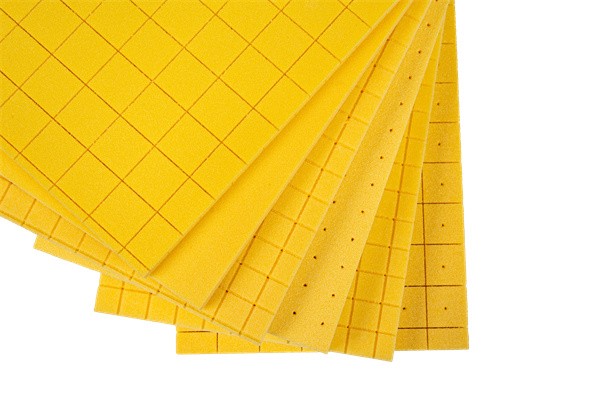
Building contractors use versatile synthetic boards across many modern architectural projects. These structural materials replace traditional plaster and wood products in interior and exterior environments. Workers install wall panels, partition walls, door panels, window components, decorative cladding, and durable trim profiles quickly. Interior wall cladding provides modern finishes for bathrooms, kitchens, hospitals, commercial buildings, and basements. Decorative surfaces include clean wood grain and polished marble finishes. Partition walls offer customizable, cost-effective solutions that installers assemble easily inside large commercial buildings and residential homes. Exterior facades feature excellent weather resistance while reducing the overall structural load of the building.
Density (g/cm³) | Thickness (mm) | Recommended Use |
|---|---|---|
0.45–0.50 | 3–5 | Wall panels, ceiling panels |
0.55–0.60 | 8–15 | Furniture, doors, decorative trims |
≥0.60 | 12–20 | Heavy-duty applications, formwork |
Lightweight ceiling panels replace heavy gypsum or aluminum ceilings. These panels do not sag or droop over time. They provide reliable thermal insulation to lower building energy costs and soundproofing for noise reduction inside multi-family housing or commercial spaces.
Fast to install, easy to sanitize—favored in bathrooms, basements, clinics, commercial kitchens, and cleanrooms.
Fabricators build waterproof cabinetry, shelves, and tables for kitchens, bathrooms, showrooms, and model homes using high-performance synthetic sheets. The 100% waterproof core prevents internal moisture damage completely. The material exhibits no swelling or shrinking during severe humidity changes. Bathroom cabinets maintain full structural integrity in damp environments without warping, cracking, or delaminating. This budget-friendly option lowers initial material costs and simplifies production for projects with tight budgets while providing easy sanitation across high-moisture spaces.
Industrial and Marine Applications
Industrial sectors utilize PVC foam for challenging structural and technical requirements. Marine engineers select high-density foam ranging from 160 kg/m³ to 250 kg/m³ to replace transoms made of traditional plywood. This substitution eliminates rot, moisture wicking, and long-term structural failures in marine environments. Boat builders apply linear foam to hull bottoms and sides for high impact toughness and energy absorption during severe slamming loads. This engineering choice improves overall stiffness, hydrodynamic performance, and rigid inflatable boat hull durability.
Crosslinked foam cores strengthen decks, superstructures, cabin tops, and multihull bridge decks. These core structures reduce deflection, vibration, pitching inertia, crossbeam flexing, and sound transmission to increase crew and passenger comfort. Internal foam stringers maintain hull shape and stiffness with significantly less weight than wooden alternatives. Bulkheads and interior joinery panels provide additional sound dampening, thermal insulation, and lightweight structural support across catamarans and motor yachts.
Automotive manufacturers integrate lightweight synthetic core panels into vehicle floor structures, side walls, and door assemblies. Transport fleets lower overall vehicle mass to reduce daily fuel consumption and carbon emissions during long transport routes. Packaging designers craft durable protective containers and reusable transport cases. These shock-absorbing cases shield delicate electronic devices and heavy industrial machinery components during international transit.
Visual communication professionals rely on flat PVC foam sheets for outdoor signage, exhibition displays, and Sintra printed boards. Printers apply UV digital inks directly onto the smooth non-porous surface for vivid image displays and promotional graphics. Sign shops cut, drill, and route these rigid boards into custom storefront signs, directional markers, exhibit booths, and promotional trade show displays.
Choosing the Right PVC Foam Grade
Density Options and Load Ratings
Engineers select specific material grades based on precise structural demands. Higher material density directly increases the flexural strength of rigid synthetic core panels. Material density controls physical strength because dense expanded cores contain more solid matter per unit volume. This structural mass allows dense boards to resist heavy flexural bending forces effectively during continuous daily operation.
Grade | Density Range (g/cm³) | Load-Bearing Capacity | Typical Uses |
|---|---|---|---|
Lightweight | 0.40–0.50 | Not designed for load-bearing | Signage, displays, printing panels |
Structural | 0.80–1.10 | Structural-grade performance | Heavy-duty furniture, construction |
Construction applications require heavy-duty structural boards to support significant mechanical loads without physical deformation. High-density formulations maintain permanent surface flatness and structural integrity under constant operational pressure. Project planners avoid low-density sheets for heavy structural frameworks due to deformation risks.
Selecting low-density boards for load-bearing applications: Low-density expanded boards are lightweight and economical, but they are not designed for structural or load-bearing purposes. Using them in furniture frames or construction elements may lead to bending, deformation, or premature failure.
Standard Sheets vs Custom Core Solutions
Standard sheet products handle routine building tasks and visual sign projects efficiently. Graphic designers select 2-3mm sheet thickness for small indoor displays. Fabrication teams choose 6-10mm sheet thickness for larger outdoor sign panels. A standard 4x8 sheet weighs only 28-32 lbs, while a traditional MDO plywood sheet weighs 65 lbs. This light weight simplifies structural mounting and handling. Standard panels provide cost-effective service for temporary outdoor signs with service lives under 2 years.
Complex manufacturing projects frequently demand specialized material dimensions and targeted performance characteristics. UNION COMPOSITE provides tailored core solutions for specific industrial requirements across global markets. Experienced engineering teams work closely with industrial clients to develop high-quality custom composite components. Tailored core production delivers precise density profiles and customized sheet dimensions, meeting exact project specifications from initial prototype development to mass manufacturing.
Engineered synthetic panels deliver superior lightweight flexibility, total moisture resistance, and dynamic structural adaptability across demanding environments. This non-porous material resists rot, insects, and chemical corrosion naturally. Standard MDF products last only 5 to 10 years because water exposure causes severe warping. In contrast, advanced synthetic core boards achieve an impressive expected lifespan of 15 to 40 years while requiring minimal maintenance.
Selecting customized core solutions like the UNION series (P45 to P250) ensures exact weight and load compliance for demanding projects. Builders, industrial manufacturers, and creative designers secure long-lasting material performance by adopting high-grade composite PVC foam sheets for challenging structural applications.
FAQ
Is PVC foam completely waterproof?
Yes. Closed-cell PVC foam absorbs less than 1% water by weight during complete immersion. Trapped gas cells prevent liquid penetration continuously. Consequently, the material resists rot, swelling, and internal damage in high-moisture environments like bathrooms and marine decks.
How long does PVC foam board last outdoors?
High-grade PVC foam boards last 15 to 25 years outdoors with proper UV stabilization and installation. The non-porous synthetic core naturally resists weather, salt spray, and insect damage. Synthetic boards outperform traditional MDF panels by lasting up to 40 years under normal conditions.
Can manufacturers use PVC foam to replace plywood and MDF?
Yes. Fabricators regularly replace plywood and MDF with PVC foam boards. Synthetic panels provide equal structural strength with significantly less weight. Unlike traditional wood products, expanded foam core boards remain completely termite-proof, waterproof, and heat-resistant throughout their long operational lifespan.
What density grades does UNION COMPOSITE offer for structural projects?
UNION COMPOSITE manufactures versatile PVC foam series ranging from P45 up to P250. Low-density grades suit visual displays and wall panels. Meanwhile, high-density grades provide excellent load-bearing capacity for demanding marine hulls, heavy cabinetry, and industrial machinery transportation packaging.