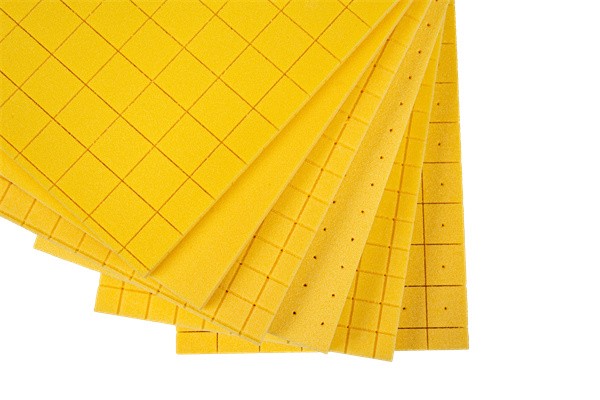
Is pvc foam board more expensive than mdf
You will find that pvc foam board usually costs more than MDF. Recent industry data shows that pvc foam board falls in the low–medium price category, while MDF stays in the low range. The price can change based on brand and quality. Union Composites stands out as a top supplier of high-quality PVC foam. When you choose a trusted supplier, you often get better value for your investment.
Key Takeaways
PVC foam board typically costs more than MDF, but offers better durability and water resistance.
Choose PVC foam board for outdoor or wet applications due to its long lifespan and low maintenance needs.
MDF is more affordable and suitable for indoor furniture, but it can swell or warp in moisture.
Always consider the thickness and quality of the material to ensure it meets your project requirements.
Buying from a trusted supplier like Union Composites can enhance the value of your investment.
Price Comparison

PVC foam board price
When you look at the cost of pvc foam board, you will notice a range of prices. The price depends on the thickness, quality, and supplier. For example, Union Composites offers high-quality pvc foam board that meets strict standards. You can expect to pay more for thicker or more durable sheets. Here are some typical prices you might see:
Price per square foot: $1.07 to $1.47
Price per unit: $1,790.82 to $3,253.94
The thickness of the board also affects the price and performance. Thinner boards work well for indoor signs or temporary displays. Thicker boards are better for outdoor signs or heavy-duty uses. You can see how thickness relates to use in the table below.
MDF price
MDF, or medium-density fiberboard, usually costs less than pvc foam board. The price of MDF changes based on thickness, density, and surface finish. Thicker sheets and special grades, like moisture-resistant or fire-rated MDF, cost more. If you choose a laminated surface, the price will also go up. Where the MDF comes from can affect the price, too. Countries with large production capacity, such as Vietnam, China, Malaysia, and Thailand, often offer lower prices because of local resources and lower shipping costs. While there is no single average price for MDF in 2024, you will find that it stays in the lower price range compared to pvc foam board.
Price table
You can use this table to compare how thickness affects the application and performance of pvc foam board:
Thickness Range | Application | Performance Characteristics |
|---|---|---|
1–3mm | Lightweight Indoor Use | Good for temporary graphics and retail posters. Limited use outdoors. |
4–6mm | Versatile for Outdoor Use | Offers better rigidity. Standard for outdoor signage. Balances weight and strength. |
8mm and Up | Heavy-Duty Applications | Ideal for large outdoor signs, architectural features, and structural uses. |
Note: Prices for both pvc foam board and MDF can change based on the brand, quality, and supplier. Union Composites provides high-quality pvc foam board, which may cost more but offers better performance and value.
Cost Factors
Manufacturing differences
You will see that manufacturing methods play a big role in the cost of each material. PVC foam board uses advanced processes like the Celuka and Free-Foam methods. These methods create boards with smooth surfaces and consistent density. MDF relies on pressing wood fibers with resin under high pressure. The table below shows how these methods affect costs:
Manufacturing Method | Description | Cost Implications |
|---|---|---|
Celuka Method | Produces high-quality boards with a hard, smooth surface and foamed interior. | Higher initial costs due to specialized equipment but lower long-term costs from durability. |
Free-Foam Method | Foam expands freely, resulting in consistent density but softer surface. | Lower costs for thinner boards used in signage, may need more finishing steps. |
Union Composites uses advanced technology and strict quality control. You benefit from high-quality PVC foam board that lasts longer and needs less maintenance. This justifies the higher price.
Material properties
Material properties affect both performance and price. PVC foam board stands out for its waterproof and termite-resistant features. MDF can swell or warp when exposed to moisture. You will find that PVC foam board is lighter and easier to handle. MDF is heavier and needs more care during transport. The table below compares key properties:
Property | PVC Foam Board | MDF |
|---|---|---|
Waterproof and Moisture Resistant | Yes, waterproof due to closed-cell structure | Prone to swelling and warping |
Termite and Pest Resistant | Yes, resistant to pests | Susceptible to infestations |
Weight | Lightweight, easy to handle | Heavier, more labor-intensive |
Durability | Highly resistant to scratches and impact | Can absorb moisture, leading to warping |
Maintenance | Low maintenance, easy to clean | Requires frequent maintenance |
PVC foam board's waterproof nature reduces long-term maintenance costs. You do not need frequent repairs or replacements due to water damage.
Market demand
Market demand influences prices. You will notice steady growth in the PVC board market, especially in construction and renovation. Many people prefer waterproof and termite-resistant materials. The hospitality sector and infrastructure projects drive demand for durable, low-maintenance solutions. MDF prices can change quickly when demand shifts. For example, rising formaldehyde prices have caused MDF prices to increase by 5%. Manufacturers adjust prices to stay profitable.
Choosing a material with strong market demand and proven durability, like PVC foam board from Union Composites, helps you get better value for your investment.
Value for Money
Durability and lifespan
You want your materials to last. When you compare pvc foam board and MDF, you see a big difference in how long they last. Take a look at this table:
Material | Expected Lifespan (Years) | Notes |
|---|---|---|
PVC Foam Board | 15-40 | Lasts longer, especially in moisture-prone areas. |
MDF | 5-10 | Prone to moisture issues, leading to deformation. |
PVC foam board can last up to 40 years if you use it in the right place. Most people see it last 15 to 25 years in homes or businesses. MDF often lasts only 5 to 10 years because it absorbs water and can swell or break. You get more value when you choose a material that does not need to be replaced often.
Applications
You can use these materials in many ways. Here are some common uses:
Application Area | Specific Uses |
|---|---|
Construction & Interior Decoration | Wall panels, Ceiling panels, Decorative cladding, Door panels, Window components |
Furniture & Cabinet Manufacturing | Kitchen cabinets, Bathroom vanities, Wardrobe panels, Decorative surface panels |
PVC foam board works well for indoor and outdoor signs, retail displays, and exhibition booths. You can cut and shape it easily. It resists insects, rot, and mildew, so you do not need to worry about damage in damp places. You do not need to seal or paint it, which saves you time and money.
Is the cost justified?
You may wonder if the higher price is worth it. PVC foam board gives you strong performance. It stands up to water, chemicals, and impact. You can use it in tough places like restaurants, factories, and outdoor signs. It is easy to clean and safe for the environment. Union Composites offers eco-friendly and high-performance options, which adds even more value. When you look at the long life, low upkeep, and many uses, you see that the cost is justified.
Choosing the Right Material

Budget tips
You want to make smart choices when buying materials. Price matters, but so does how you plan to use each board. Take a look at this table to see how cost and use case compare:
Material | Cost | Use Case |
|---|---|---|
PVC Foam Board | Low-cost | Suitable for outdoor use |
MDF | Medium to high | Best for indoor applications |
If you need a board for outdoor signs or wet areas, PVC foam board gives you more value for your money. MDF works best for indoor furniture or cabinets. You can save money by matching the material to the job. Ask your supplier about bulk discounts or custom sizes. You may find that buying larger sheets lowers your cost per square foot.
Tip: Always check the thickness and grade before you buy. Thicker boards last longer and perform better.
Best uses
You should choose a material based on where you plan to use it. PVC foam board stands up to water and sunlight. MDF works well in dry, indoor spaces. This table shows the best uses for each material:
Property/Feature | PVC Foam Board | MDF |
|---|---|---|
Water & Humidity Resistance | Completely waterproof, ideal for wet areas | Swells and disintegrates in moisture |
Longevity & Maintenance | Resists chipping, peeling, and fading | Requires sealing/painting for durability |
Outdoor Suitability | UV-stabilized for exterior use | Indoor use only unless treated |
Best Use Cases | Outdoor advertising, wet area cladding, long-lasting décor | Indoor furniture, cabinetry, painted elements |
You can use PVC foam board for outdoor signs, bathroom panels, or kitchen backsplashes. MDF fits well in bookshelves, desks, or wall panels inside your home.
Quick decision guide
You may feel unsure about which material to pick. Use this checklist to help you decide:
Do you need waterproof or weather-resistant material?
Choose PVC foam board.
Are you building indoor furniture or cabinets?
MDF is a good choice.
Is durability important for your project?
PVC foam board lasts longer in tough conditions.
Do you want easy maintenance?
PVC foam board cleans easily and resists damage.
Remember: Match the material to your project needs. You get the best value when you choose wisely.
You now know that PVC foam board usually costs more than MDF. You get extra value from its durability, water resistance, and long lifespan. Choose PVC foam board for outdoor or wet areas. Pick MDF for indoor furniture or dry spaces. Always compare both cost and quality. When you buy from a trusted supplier like Union Composites, you make a smart investment for your project.
FAQ
What makes PVC foam board cost more than MDF?
You pay more for PVC foam board because it uses advanced technology and high-quality materials. It lasts longer and resists water and pests. You get better performance for your money.
Can you use PVC foam board for furniture?
Yes, you can use PVC foam board for furniture. It works well for cabinets, shelves, and wall panels. You get a lightweight and durable material that is easy to clean.
Is MDF safe for kitchen or bathroom use?
MDF does not resist water. If you use it in kitchens or bathrooms, it can swell or break. You should choose PVC foam board for wet areas.
Why choose Union Composites as a supplier?
You get high-quality PVC foam board from Union Composites. The company uses advanced technology and strict quality checks. You also receive eco-friendly products and reliable service.