What is the difference between bulk molding compound and sheet molding compound
In the realm of composite materials, two prominent types that have gained significant attention are bulk molding compound (BMC) and sheet molding compound (SMC). These materials play crucial roles in various industries, including automotive, electrical, and construction, due to their unique properties and versatile applications. Understanding the differences between BMC and SMC is essential for engineers, manufacturers, and designers who are looking to select the most appropriate material for their specific projects. This article aims to provide a comprehensive comparison of bulk molding compound and sheet molding compound, covering their definitions, characteristics, and the factors influencing their choice.
What is Bulk Molding Compound (BMC)?
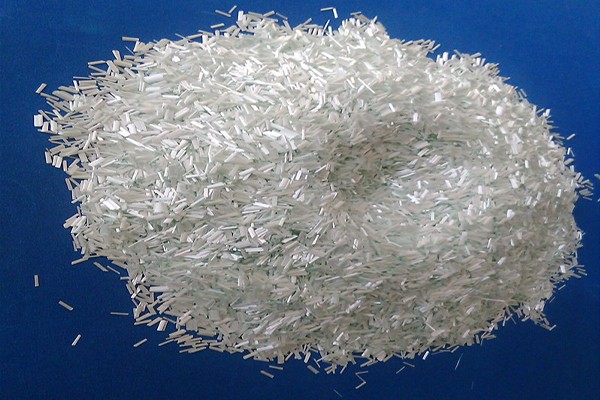
Bulk molding compound, often abbreviated as BMC, is a thermosetting composite material composed of a mixture of resin, filler, fiber reinforcement, and various additives. The resin used in BMC is typically an unsaturated polyester or vinyl ester, which provides the material with its thermosetting properties, allowing it to cure and harden upon heating. Fillers such as calcium carbonate or glass beads are added to enhance the mechanical properties and reduce the cost of the compound. Fiber reinforcement, usually in the form of short glass fibers, is incorporated to improve the strength and stiffness of the BMC.
One of the key features of BMC is its bulk form. It is supplied as a dough-like mass that can be easily molded into complex shapes using compression or injection molding processes. This flexibility in shaping makes BMC suitable for a wide range of applications, from small electrical components to large automotive parts. The ability to incorporate a high volume of fillers and fibers also allows BMC to achieve excellent mechanical properties, including high strength, stiffness, and dimensional stability. Additionally, BMC exhibits good electrical insulation properties, making it ideal for electrical and electronic applications.

What is Sheet Molding Compound (SMC)?
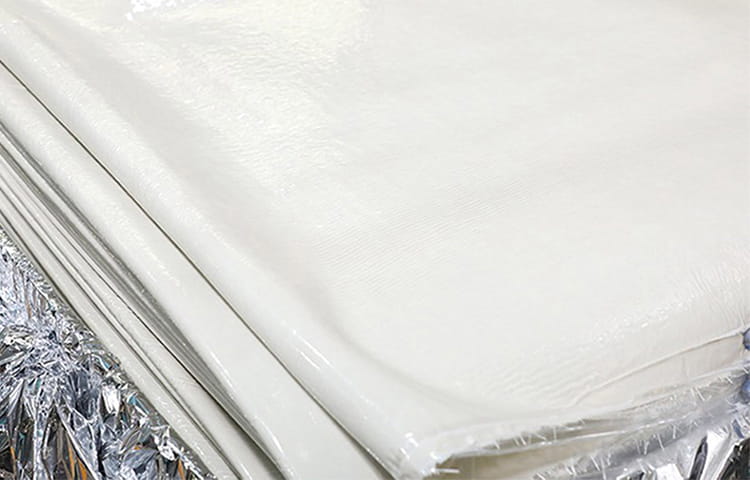
Sheet molding compound, or SMC, is another type of thermosetting composite material that shares some similarities with BMC but also has distinct characteristics. SMC is composed of a thermosetting resin, typically an unsaturated polyester, reinforced with continuous glass fibers that are arranged in a mat or roving form. The resin is mixed with fillers, additives, and a thickening agent to form a paste, which is then applied onto a carrier film. The glass fibers are then impregnated with this paste, and the resulting sheet is rolled up and stored for later use.
SMC is known for its sheet-like form, which allows for easy handling and storage. It is typically processed using compression molding, where the SMC sheet is placed into a mold and subjected to heat and pressure to cure and form the desired shape. The continuous glass fiber reinforcement in SMC provides excellent mechanical properties, including high tensile strength, flexural strength, and impact resistance. SMC also offers good surface finish and can be easily painted or coated, making it suitable for applications where aesthetics are important, such as automotive body panels and exterior components.
Differences between Bulk Molding Compound and Sheet Molding Compound
1.Form and Handling
The most obvious difference between BMC and SMC lies in their form. BMC is supplied as a bulk, dough-like mass, while SMC is in the form of sheets. This difference in form affects their handling and storage. BMC requires less storage space and can be easily scooped or poured into molds, making it suitable for small-scale or batch production. On the other hand, SMC sheets are easier to handle and can be cut to size before molding, reducing waste and improving production efficiency, especially for large-scale manufacturing.
2.Fiber Reinforcement
Another significant difference is the type and arrangement of fiber reinforcement. BMC uses short glass fibers, which are randomly distributed throughout the compound, providing isotropic mechanical properties. In contrast, SMC employs continuous glass fibers arranged in a mat or roving form, resulting in anisotropic properties, where the strength and stiffness are higher in the direction of the fiber alignment. This makes SMC more suitable for applications that require high directional strength, such as automotive structural components.
3.Processing Methods
BMC and SMC also differ in their processing methods. BMC can be processed using both compression and injection molding, offering flexibility in manufacturing. Injection molding allows for high-volume production with fast cycle times, while compression molding is suitable for larger parts with complex geometries. SMC, on the other hand, is primarily processed using compression molding, although some advanced techniques like resin transfer molding (RTM) can also be used. The choice of processing method depends on the part design, production volume, and cost considerations.
4.Mechanical Properties
Due to the differences in fiber reinforcement and processing methods, BMC and SMC exhibit different mechanical properties. BMC generally has good overall mechanical properties, including high strength and stiffness, but may not match the directional strength of SMC. SMC, with its continuous fiber reinforcement, offers superior tensile and flexural strength in the fiber direction, making it more suitable for load-bearing applications. Additionally, SMC often has better impact resistance and fatigue properties compared to BMC.
Which is More Worth Choosing: Bulk Molding Compound or Sheet Molding Compound?
The choice between BMC and SMC depends on several factors, including the application requirements, production volume, cost, and design complexity. For applications that require isotropic mechanical properties, good electrical insulation, and flexibility in shaping, BMC may be the more suitable choice. Its ability to be processed using both compression and injection molding also makes it versatile for a wide range of production scenarios.
On the other hand, if the application demands high directional strength, excellent impact resistance, and a good surface finish, SMC is likely the better option. Its continuous fiber reinforcement and sheet form make it ideal for large-scale manufacturing of structural components, such as automotive body panels and chassis parts. Additionally, SMC's ease of handling and reduced waste during production can lead to cost savings in high-volume applications.
Conclusion
In conclusion, bulk molding compound and sheet molding compound are two distinct types of thermosetting composite materials with their own unique characteristics and applications. BMC, with its bulk form and short fiber reinforcement, offers flexibility in shaping and good overall mechanical properties, making it suitable for a wide range of applications. SMC, with its sheet form and continuous fiber reinforcement, provides superior directional strength and impact resistance, making it ideal for load-bearing and aesthetic applications. The choice between BMC and SMC should be based on the specific requirements of the application, production volume, and cost considerations. By understanding the differences between these two materials, engineers and manufacturers can make informed decisions and select the most appropriate material for their projects.