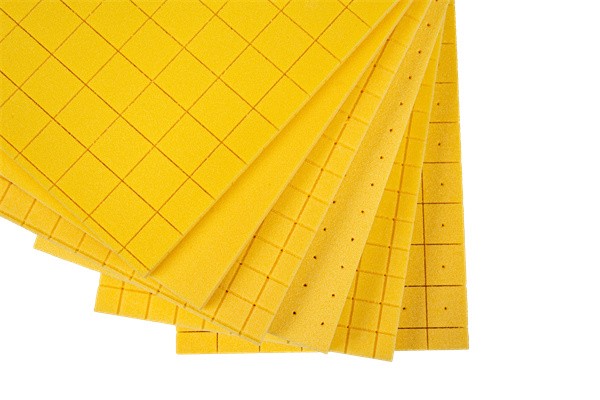
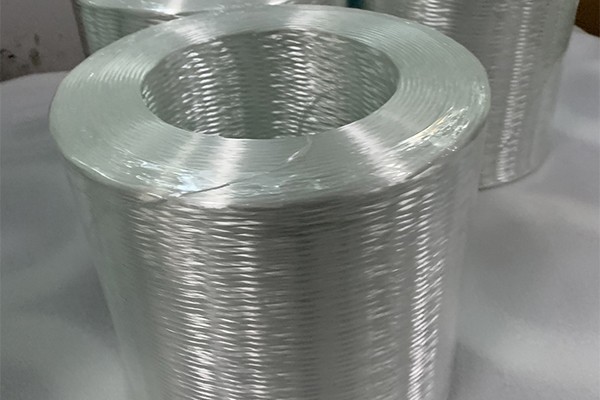
What the difference between SMC and BMC for industrial applications
Sheet molding compound and bulk molding compound show clear differences in fiber length and material form.
Property | SMC | BMC |
|---|---|---|
Fiber length | Longer (~1 inch) | Shorter (<0.25 inch) |
Material Form | Sheet form | Bulk paste |
Choosing between these materials impacts outcomes in automotive, aerospace, and construction industries. Manufacturers prefer SMC for lightweight parts, corrosion resistance, and design flexibility. BMC excels in technical areas like impact resistance and thermal conductivity. Union Composites stands out as a trusted supplier, offering expertise and innovative solutions for industrial needs.
Key Takeaways
SMC uses longer glass fibers and comes in sheet form, making it ideal for large, strong parts in automotive and construction.
BMC features shorter fibers and a bulk paste form, excelling in producing small, intricate components with high fluidity.
Choose SMC for applications requiring high strength and durability, while BMC is best for detailed, high-volume production.
Both SMC and BMC offer excellent electrical insulation, making them suitable for various electrical applications.
Union Composites provides customizable solutions for both materials, ensuring they meet specific project needs and industry standards.
Definition and Composition
Sheet molding compound overview
Sheet molding compound stands out as a versatile composite material used in many industrial applications. Manufacturers produce it as a ready-to-use sheet, combining chopped glass fibers, resin, fillers, and additives. The glass fibers, usually 25–50 mm long, provide strength and durability. The resin system, often unsaturated polyester or vinyl ester, binds the fibers together. Fillers and additives improve surface quality, fire resistance, and cost efficiency. Union Composites offers sheet molding compound with customizable formulations, allowing clients to select color, size, and performance features.
Sheet molding compound delivers consistent mechanical properties and chemical resistance, making it ideal for electrical housings, automotive parts, and construction components.
Bulk molding compound overview
Bulk molding compound appears as a thick, moldable paste. It contains shorter glass fibers, typically 3–12 mm, mixed with thermoset resin, fillers, catalysts, and additives. The compound’s loose form allows easy packing into molds for complex shapes. Manufacturers use bulk molding compound for small, intricate parts such as electrical precision components and motor housings. The high fluidity enables the creation of thin-walled and multi-grooved structures.
Bulk molding compound offers excellent dimensional stability and fast molding cycles.
It suits high-volume production of small parts with detailed features.
Key differences in composition
The main differences between sheet molding compound and bulk molding compound lie in fiber length, material form, and resin type. The table below summarizes these distinctions:
Component | Sheet Molding Compound (SMC) | Bulk Molding Compound (BMC) |
|---|---|---|
Resin | Unsaturated polyester, vinyl ester, or epoxy resin | Thermoset resin |
Fiber | Chopped glass fibers (25–50 mm) | Chopped glass fibers (3–12 mm) |
Filler | Yes | Yes |
Catalysts | Yes | Yes |
Additives | Yes | Yes |
Sheet molding compound uses longer fibers and sheet form, while bulk molding compound relies on shorter fibers and a bulk paste form. These differences affect their mechanical properties and suitability for various industrial applications.
Manufacturing Process
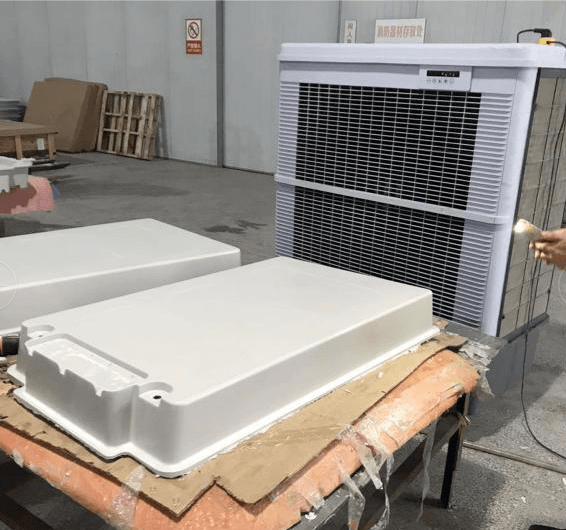
SMC processing steps
Manufacturers create sheet molding compound through a series of controlled steps:
Pre-mixing stage: Technicians batch and mix resins, additives, and fillers to achieve a uniform blend.
Sheet formation: The slurry spreads onto a carrier film. Workers distribute chopped glass fibers evenly before calendering the mixture into a consistent sheet.
Maturation and storage: The formed sheet requires curing in a controlled environment for several days. This step stabilizes the material and improves moldability.
Note: The sheet form allows for easy handling, cutting, and stacking, which reduces waste and increases efficiency in large-scale production.
BMC processing steps
Bulk molding compound production involves several precise steps:
Mixing: Operators use specialized equipment, such as sigma blade or Z-blade mixers, to blend unsaturated polyester resin, fillers, additives, and chopped glass fibers. This process ensures a homogeneous, dough-like consistency.
Preparation and packaging: The compound is shaped into slugs, ropes, or slabs for storage and transport.
Molding: Workers place a pre-weighed charge of BMC into a mold cavity. They apply pressure and heat, typically at 135°C to 170°C and 7 to 17 MPa, to cure the material. After curing, ejector pins or air blasts remove the finished parts.
Tip: BMC’s bulk form and high fluidity make it ideal for molding small, complex, and detailed components.
Impact of process differences
The differences in manufacturing processes between sheet molding compound and bulk molding compound influence product quality and application:
SMC’s sheet form supports efficient handling and cutting, making it suitable for large-scale manufacturing and reducing material waste.
BMC’s dough-like mass allows for easy scooping or pouring into molds, which benefits small-scale or precision part production.
SMC uses longer, continuous glass fibers, resulting in higher strength and stiffness, especially in the fiber direction.
BMC contains shorter, randomly distributed fibers, providing isotropic properties and flexibility in molding techniques.
SMC is preferred for larger structural applications, while BMC excels in producing small, intricate parts.
Properties
SMC mechanical properties
Sheet molding compound demonstrates impressive mechanical performance. Engineers rely on its high tensile strength, which allows components to withstand stretching forces. The material also shows excellent flexural strength, making it ideal for parts that must resist bending. Impact resistance remains a standout feature, helping products absorb shocks without cracking. Fatigue properties ensure that SMC parts last through repeated stress cycles. Manufacturers often select SMC for structural applications because it maintains shape and integrity over time.
SMC provides superior mechanical properties in the fiber direction, supporting load-bearing parts in automotive and electrical industries.
BMC mechanical properties
Bulk molding compound offers reliable mechanical properties for many industrial uses. The material delivers high strength and stiffness, supporting small and complex parts. BMC does not match the directional strength of SMC, but it performs well in applications where isotropic properties matter. The compound shows good impact resistance and flexural strength, making it suitable for electrical precision parts and motor housings. BMC’s dimensional stability ensures that finished products retain their shape during use.
BMC supports fast molding cycles and high-volume production.
The material excels in forming intricate shapes and thin-walled components.
Comparative properties table
The table below compares key mechanical and electrical properties of SMC and BMC. Both materials offer excellent electrical insulation, making them suitable for low-voltage and medium-voltage applications.
Property | Bulk Molding Compound (BMC) | Sheet Molding Compound (SMC) | Notes |
|---|---|---|---|
Tensile Strength | Good | Superior (especially in fiber direction) | SMC preferred for load-bearing parts |
Flexural Strength | Good | Superior | SMC ideal for structural applications |
Impact Resistance | Good | Excellent | SMC absorbs shocks better |
Fatigue Properties | Moderate | Excellent | SMC lasts longer under repeated stress |
Dielectric Strength | 12 – 20 kV/mm | 10 – 18 kV/mm | Both suitable for electrical uses |
Arc Resistance | 130 – 190 seconds | 120 – 180 seconds | BMC often has a slight edge |
Comparative Tracking Index (CTI) | > 600V (PLC 0) | > 600V (PLC 0) | Both offer top-tier tracking resistance |
Volume Resistivity | 10¹² – 10¹⁴ Ω·cm | 10¹² – 10¹⁴ Ω·cm | Very high for both materials |
Both SMC and BMC deliver strong electrical insulation and thermal stability. SMC stands out for mechanical strength, while BMC excels in molding flexibility.
Applications
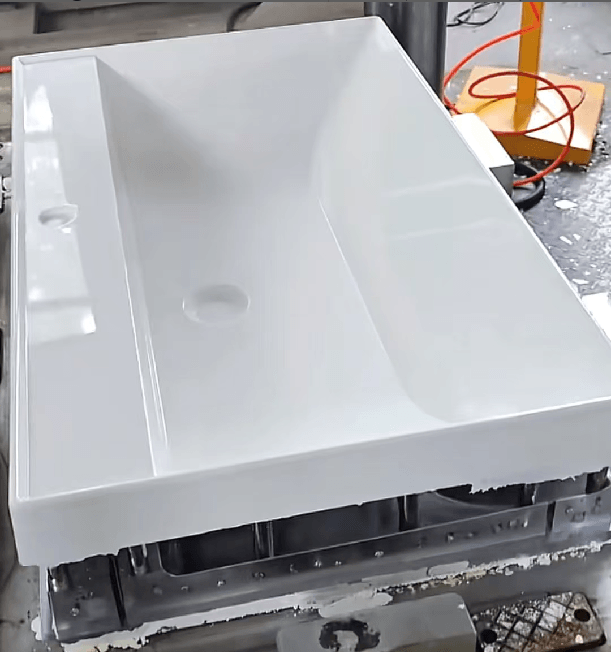
SMC typical uses
Manufacturers choose sheet molding compound for parts that require high strength and durability. This material works well in automotive, electrical, and construction industries. Union Composites provides SMC products for large components such as mailbox shells, electrical boxes, instrument boxes, and gas meter boxes. Their SMC6006 grade supports structural parts in vehicles, air conditioning covers, manhole covers, and truck panels. SMC’s ability to form large, flat, or curved surfaces makes it ideal for train and automobile parts, trash can covers, and door panels.
Union Composites customizes SMC formulas to meet fire resistance standards like HB, V0, V1, and V2, ensuring safety and compliance for various applications.
BMC typical uses
Bulk molding compound serves industries that need small, complex, and detailed parts. Its high fluidity allows for the production of thin-walled and multi-grooved components. Union Composites’ BMC600 excels in building products, especially for kitchens and bathrooms, due to its excellent dimensional stability. Common uses include electrical precision parts such as circuit breakers, insulators, terminal posts, and small motor shells. BMC also finds use in energy storage cabinets, battery module structures, and protective parts.
Industry | Applications |
|---|---|
Automotive | Body panels, battery enclosures, engine compartment components |
Rail Transit | Interior panels, driver consoles, seat structures |
Power | Distribution boxes, meter boxes, cable branch boxes |
Electrical Equipment | Control cabinet enclosures, junction boxes |
Building Materials | Cable trays, facade panels, manhole covers |
Modular Bathroom/Sanitary Ware | Bathtubs, shower trays, wash basins |
Selection criteria
Manufacturers select between SMC and BMC based on several factors. The following table outlines the main criteria:
Criteria | SMC (Sheet Molding Compound) | BMC (Bulk Molding Compound) |
|---|---|---|
Application Requirements | High directional strength, impact resistance | Flexibility in shaping, isotropic properties |
Production Volume | Ideal for large-scale manufacturing | Versatile for various production scenarios |
Cost | Cost-effective in high-volume applications | May vary based on application needs |
Design Complexity | Suitable for complex designs, good surface finish | Allows for simpler designs, good insulation |
Tip: For large, load-bearing, or exterior parts, SMC offers the best performance. For small, intricate, or high-volume electrical parts, BMC provides greater flexibility and efficiency.
Advantages
SMC pros and cons
Sheet molding compound offers many benefits for industrial applications. Manufacturers value its lightweight performance, which helps reduce overall product weight. The material resists corrosion, making it suitable for outdoor and harsh environments. Electrical insulation properties protect sensitive components. Design flexibility allows engineers to create complex shapes and large integrated parts. Many companies see lower total project costs because SMC reduces assembly and maintenance expenses.
Union Composites produces SMC with advanced technology and a high level of fiberglass reinforcement. Their products show excellent tensile, bending, and impact resistance. SMC from Union Composites can achieve a smooth, Class A surface finish, which reduces the need for post-processing. The company also customizes formulas to meet fire resistance standards and color requirements.
The table below summarizes the main advantages and disadvantages:
Advantages | Disadvantages |
|---|---|
Lightweight performance | Higher raw material cost compared to steel |
Corrosion resistance | |
Electrical insulation | |
Design flexibility | |
Lower total project costs |
SMC stands out for its superior mechanical properties and ability to form large, strong, and attractive parts.
BMC pros and cons
Bulk molding compound provides exceptional mechanical strength and outstanding chemical and thermal resistance. The material offers excellent electrical insulation, which is important for electrical and electronic components. BMC has high fluidity, so it can fill molds with small ribs, deep cavities, and thin walls. This flexibility makes it ideal for producing small, complex, and detailed parts in large quantities.
Union Composites supplies BMC with excellent dimensional stability. Their BMC600 grade works well for building products, especially in kitchens and bathrooms. The material supports fast molding cycles, which increases production efficiency.
The table below outlines the main advantages and disadvantages:
Advantages | Disadvantages |
|---|---|
Exceptional mechanical strength | Higher cost due to complex manufacturing |
Outstanding chemical and thermal resistance | Risk of fiber migration affecting aesthetics |
Excellent electrical insulation | Challenges with complex molding geometries |
BMC excels in flexible molding and high-volume production of intricate components.
Choosing between SMC and BMC
Selecting the right material depends on the application’s requirements. SMC works best for large, load-bearing, or exterior parts that need high strength, impact resistance, and a smooth surface. It suits automotive panels, electrical boxes, and structural covers. BMC fits small, complex, or high-volume parts that require detailed features and excellent insulation, such as electrical precision parts and small motor housings.
Union Composites helps clients choose the best solution by offering expert guidance and customized formulations. Their SMC provides unmatched mechanical properties for demanding applications. Their BMC delivers flexible molding capabilities and efficient production for intricate designs.
Tip: For projects that need superior strength and durability, SMC is the preferred choice. For applications that demand complex shapes and fast production, BMC offers greater flexibility.
Sheet molding compound and bulk molding compound differ in fiber length, form, and application focus. SMC offers high strength and durability for large, structural parts. BMC excels in molding small, complex components. Industry experts recommend:
Tailoring solutions to each manufacturer’s needs
Considering regulatory standards and sustainability
Monitoring market trends for lightweight, eco-friendly materials
Union Composites supports clients with advanced technology, customization, and reliable materials:
Feature | Benefit |
|---|---|
Advanced Technology | Consistent quality and efficiency |
Customization | Tailored solutions for specific projects |
Corrosion Resistance | Enhanced durability in harsh environments |
SMC and BMC will see growing demand in automotive, electrical, and renewable energy sectors.
FAQ
What is the main difference between SMC and BMC?
Sheet molding compound (SMC) uses longer glass fibers and comes in sheet form. Bulk molding compound (BMC) contains shorter fibers and appears as a moldable paste. SMC suits large, strong parts. BMC works best for small, complex shapes.
Can SMC and BMC be customized for specific applications?
Yes. Union Composites offers custom formulations for both SMC and BMC. Clients can request changes in color, size, or performance features to meet unique project needs.
Which industries use SMC and BMC the most?
Automotive
Electrical equipment
Construction
Rail transit
Building materials
These industries rely on SMC for structural parts and BMC for detailed, precision components.
How do SMC and BMC perform in electrical insulation?
Compound | Electrical Insulation |
|---|---|
SMC | Excellent |
BMC | Excellent |
Both materials provide strong electrical insulation, making them ideal for electrical housings and components.