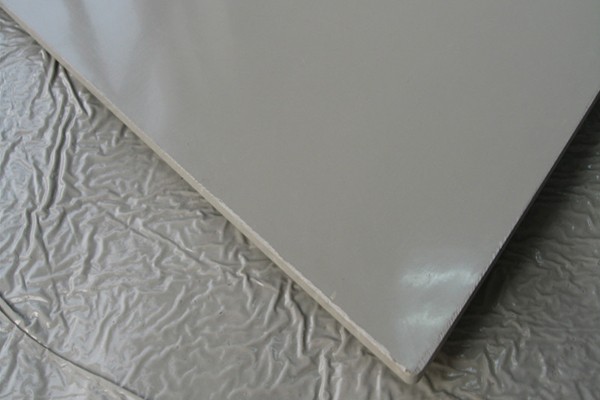
What industries use sheet molding compound for high performance composite parts
Automotive and transportation, electrical and energy, construction and infrastructure, and specialized sectors such as marine, aerospace, oil and gas, medical, and industrial machinery all rely on sheet molding compound for high-performance parts.
Sheet molding compound is a compression-molded thermoset composite. It combines a resin matrix, fiber reinforcement, and mineral fillers into a moldable compound.
This article explains why each industry selects the material and gives concrete part examples. A neutral comparison with alternative materials follows. Readers gain a practical view of where the material fits and where other options serve better.
Key Takeaways
Sheet molding compound (SMC) is a strong, lightweight material used in many industries.
Automotive and transportation industries use SMC to reduce weight and improve fuel efficiency.
Electrical and energy sectors rely on SMC for its insulation and weather resistance.
Construction and infrastructure benefit from SMC's durability and resistance to corrosion.
Specialized sectors like marine and aerospace choose SMC for its strength and design flexibility.
Automotive and Transportation
Why SMC Suits Automotive Parts
Automakers choose sheet molding compound when they need to cut weight without sacrificing strength. The material delivers a high strength-to-weight ratio, so a molded part often weighs less than the steel component it replaces. Glass reinforcement levels range from 18% to 60%, and engineers tune that percentage to match the load case. A structural bracket calls for a high-strength grade, while a visible panel benefits from a zero-shrink or low-shrink formulation that holds tight tolerances and resists surface waviness.
Design freedom separates SMC from stamped metal. Compression molding forms complex shapes, integrated ribs, and molded-in bosses in a single cycle. The tooling also supports Class A surface capability, which matters for exterior panels that must accept paint with a smooth finish. These properties let designers consolidate several metal pieces into one molded part and reduce assembly steps.
Applications and Compliance
Common automotive parts include body panels, grille opening reinforcements, battery enclosures, under-hood components, and structural brackets. Dimensional stability keeps these parts within tolerance across temperature swings. Corrosion resistance gives SMC a clear advantage over steel in exposed locations, where rust protection adds cost and process steps to metal parts.
Compliance work starts early in the program. Each OEM publishes its own material specifications, and suppliers must qualify their formulations against them. Flammability requirements apply to interior and under-hood parts, and flame-retardant grades help meet those targets. Molders typically submit test data and process documentation during qualification, then maintain traceability through production. Early engagement with the OEM materials team shortens this path and avoids late-stage reformulation.
Electrical, Energy, and Power Distribution
Insulation and Outdoor Performance
Electrical equipment demands materials that block current and hold their shape. Sheet molding compound delivers high dielectric strength, so molded housings and barriers insulate live components reliably. The thermoset matrix also resists tracking, the surface creepage that degrades weaker plastics under voltage stress and contamination. Flame-retardant grades (HB, V-1, and V-0) give designers a graded path to meet fire-performance targets, with V-0 offering the strictest resistance to ignition and flame spread.
Outdoor service tests a material's patience. Sun, rain, and temperature cycling attack polymer surfaces over years. SMC holds dimensional stability across that range, so sealed enclosures stay sealed and mounting points stay aligned. Weatherability comes from the resin system and filler package, and formulators tune both for long exposure. A utility that specifies SMC for a pole-mounted cabinet expects the part to keep its shape and its insulation through many seasons.
Applications and Standards
Power distribution relies on SMC for switchgear housings, insulators, meter boxes, and power distribution enclosures. Wind energy uses the material for nacelle components, where strength and weather resistance matter. Bulk molding compound (BMC) suits complex electrical components especially well. Its flow fills intricate cavities, and it delivers excellent electrical properties with a smooth surface finish. Car headlamps and appliance housings also use BMC for the same reasons.
Qualification follows the equipment, not the material alone. Electrical products face type testing, dielectric verification, and flame testing before approval. Utilities and OEMs publish their own specifications, and suppliers submit formulations and test data for review. Molders should confirm the applicable requirements with the equipment maker early. That step keeps the compound grade, wall thickness, and insert design aligned with the approval path.
Construction and Infrastructure
Construction Performance
Buildings face constant attack from water, salt, and weather. Sheet molding compound resists corrosion and moisture absorption, so building components keep their integrity in humid, coastal, and industrial environments. Steel rusts and wood rots under the same conditions. SMC parts do not. This durability extends service life and reduces maintenance calls over decades of use.
Dimensional stability keeps assembled structures tight. Molded panels and profiles hold their shape through temperature swings and seasonal moisture changes. Joints stay aligned, and seals stay compressed. Visible surfaces benefit from high-gloss and low-shrink grades. These formulations produce smooth, uniform faces that resist fading and accept coatings well. Architects specify them for facades where appearance matters as much as performance.
Applications and Codes
Construction uses SMC for panels, cladding, structural profiles, and utility enclosures. Each part takes advantage of the material's moldability and weather resistance. Sustainable infrastructure components also rely on SMC. Molded parts last longer and need less replacement, which lowers material turnover over a building's life. Utility enclosures protect equipment outdoors for years without repainting or resealing.
Building codes govern every construction product. Fire performance is a central concern. Codes classify materials by flame spread and smoke development, and manufacturers must supply test data to support those classifications. Structural requirements vary by application and jurisdiction. Local authorities review submittals and confirm compliance before approval. Molders should engage the code official and the design team early. That conversation clarifies the fire-performance class, load requirements, and documentation the project needs. Early alignment prevents costly redesign later in the schedule.
Sheet Molding Compound in Specialized Sectors
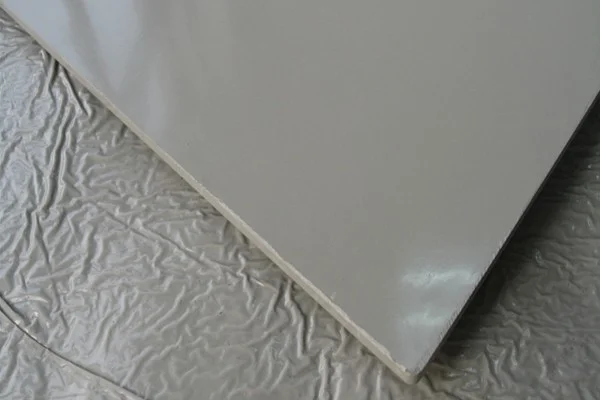
Marine, Aerospace, and Oil and Gas
Marine environments punish ordinary materials. Salt water, spray, and constant humidity attack metal fittings and degrade many plastics. Sheet molding compound resists both corrosion and water absorption, so hull components and deck parts keep their strength through years of exposure. Molded hatches, deck panels, and structural inserts hold their shape in wet conditions. The material also shrugs off fuel spills and cleaning chemicals found on working vessels.
Aerospace uses the compound for non-primary structures and interior parts. Overhead bins, seat frames, and cabin panels benefit from the design freedom of compression molding. Complex geometries form in a single cycle, and the low-shrink grades keep tolerances tight enough for assembly. These parts do not carry primary flight loads, so the focus stays on weight, stiffness, and repeatable quality.
Oil and gas operations expose equipment to aggressive chemicals. Drilling fluids, solvents, and sour gas attack enclosures and components over time. Sheet molding compound delivers chemical resistance that keeps junction boxes, control housings, and instrumentation covers intact in these settings. Molders select resin systems to match the specific chemical exposure, and vinyl ester matrices often serve harsh service.
Qualification in these sectors follows the application. Marine parts face survey and approval by classification bodies. Aerospace programs demand material and process qualification through the airframe maker, with traceability on every batch. Oil and gas buyers publish their own specifications for chemical compatibility and fire performance. Each path rewards early engagement between the molder and the qualifying authority.
Medical and Industrial Machinery
Medical equipment demands clean surfaces and stable dimensions. Compression-molded composite parts serve as equipment housings for imaging systems, diagnostic machines, and laboratory instruments. The molding process produces smooth, sealed surfaces that resist staining and tolerate repeated cleaning. Designers also mold in ribs and mounting points, which reduces the part count inside the housing.
Industrial machinery relies on the material for durable covers, housings, and structural components. Machine guards, pump housings, and control cabinets face vibration, impact, and oil exposure every shift. Molded parts absorb that punishment without denting or rusting. The compression process also suits mass manufacturing. Cycle times stay short, and each cycle repeats the same geometry, so high-volume programs get consistent parts at a predictable cost.
Qualification requirements differ by sector. Medical device makers run their own validation programs, and they expect documented process control and material traceability from the molder. Industrial buyers typically qualify parts through fit, function, and durability testing against their internal specifications. Both paths favor suppliers who control formulation and document every production batch.
Sheet Molding Compound vs. Alternative Materials
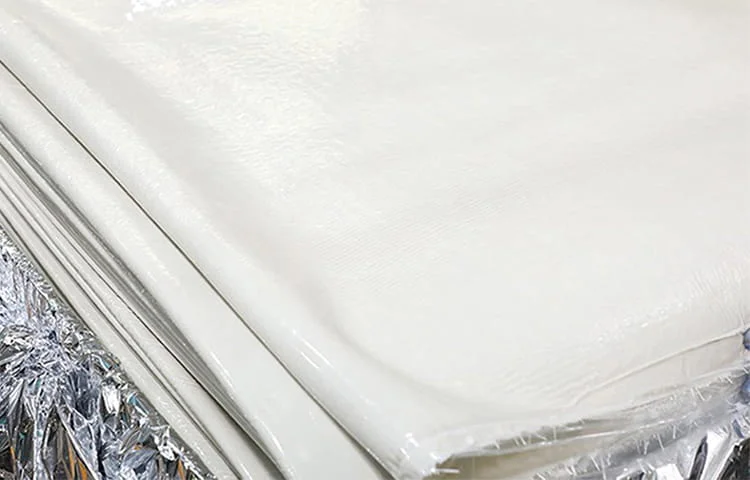
Performance and Fit
Each material family earns its place, and the right choice depends on the load case, the environment, and the production volume. The table below sets sheet molding compound beside common alternatives on the properties that drive most decisions.
Material | Strength-to-Weight | Corrosion Resistance | Design Freedom | Production Rate |
|---|---|---|---|---|
SMC | High | High | High, complex shapes in one cycle | High |
Steel | High absolute strength, heavy | Low without coating | Moderate, forming limits | Very high |
Aluminum | Good | Moderate | Moderate | High |
BMC | Moderate to high | High | Very high for small complex parts | High |
Thermoplastics | Moderate | High | High | Very high |
Prepreg | Very high | High | Moderate, layup intensive | Low to moderate |
Steel and aluminum fit best where absolute stiffness or crash energy management dominates and weight is secondary. Thermoplastics suit parts that need recyclability or fast cycling without structural duty. Prepreg serves primary aerospace structures where maximum fiber volume justifies slow, labor-intensive layup. BMC shines in small, intricate electrical components. SMC occupies the middle ground: structural enough for brackets and panels, moldable enough for integrated ribs, and fast enough for volume programs.
Compliance and Cost
Compliance pathways differ by material. Metal parts follow established structural codes and weld inspection routines. Thermoplastics face their own flammability and aging tests. Composite programs typically require the molder to submit formulation data, process documentation, and batch traceability. SMC suppliers who control formulation in-house shorten that path considerably.
Cost drivers follow a similar pattern across options. Tooling for compression molding carries a moderate upfront investment, and that cost spreads across volume. Cycle times stay short, so high production rates make SMC economical for mass manufacturing. Finishing costs depend on the grade: a Class A panel may need primer and paint, while a hidden structural part ships as molded. Buyers should weigh tooling, cycle time, finishing, and volume together rather than comparing piece price alone.
Automotive, electrical, construction, marine, aerospace, oil and gas, medical, and industrial machinery programs all turn to sheet molding compound for the same core reasons. The material offers a high strength-to-weight ratio, corrosion resistance, electrical insulation, design freedom, and repeatable molding of complex parts.
Material selection still depends on application fit. Steel and aluminum serve crash structures and stiffness-critical parts. Thermoplastics and prepreg each fit specific niches. Sheet molding compound stands out where strength, weather resistance, and volume production meet in one part.
Readers with a specific part in mind should consult a material supplier or molding specialist. A part-specific evaluation confirms the right grade, wall thickness, and process before tooling begins.
FAQ
How does a designer choose the right SMC grade?
The load case and the visible surface drive the choice. Structural parts call for high-strength formulations, while painted panels need zero-shrink or low-shrink grades. Flame-retardant grades (HB, V-1, V-0) serve electrical and interior parts. Glass reinforcement levels from 18% to 60% let engineers tune strength to the application.
What part sizes and volumes suit compression molding?
Compression molding handles large panels and small brackets alike. Union Composites runs SMC machines with a maximum width of 1.2m, which sets the practical sheet size. Short cycle times make the process economical at high volumes. Low-volume programs should weigh tooling investment against piece price before committing.
Can SMC parts take paint and molded-in color?
Yes. Class A surface capability supports painted exterior panels with a smooth finish. High-gloss grades produce visible surfaces that need no paint in some applications. Low-shrink formulations keep the surface uniform. Finishing requirements vary by grade, so buyers should confirm the cosmetic target with the molder early.
How do buyers verify SMC quality before production?
Suppliers typically provide samples and formulation data for review. Union Composites offers free samples and a 100% quality guarantee. Automated production under Industry 4.0 controls keeps batch formulation stable. Buyers should also confirm traceability and test documentation against their own specifications during qualification.
Does SMC work for small, intricate electrical components?
Bulk molding compound often fits better there. BMC flows into intricate cavities and delivers excellent electrical properties with a smooth surface finish. Union Composites runs four BMC lines alongside its SMC production. Electrical equipment, car headlamps, and appliance housings are common BMC parts.