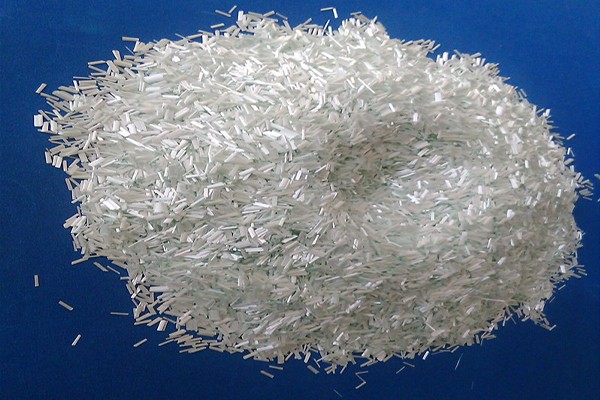
How to select the right sheet molding compound for applications
Your material selection starts with the application's critical demands: mechanical, thermal, electrical, and flame resistance. You cannot pick a compound until you know these limits. The next decision is often simpler: Sheet Molding Compound (SMC) or Bulk Molding Compound (BMC). SMC suits larger, flatter structural parts that need higher strength and stiffness. BMC fits small, complex geometries with fine detail. The global SMC market is projected to grow at 7.0% annually through 2033, so material options keep expanding. A structured framework prevents costly mismatches. Write down your load, temperature, and safety requirements first. Then match each demand to a specific grade or formulation. This approach saves time and money.
Key Takeaways
Define your application's mechanical, thermal, electrical, and flame resistance needs first.
Choose SMC for large, flat parts and BMC for small, complex parts.
Match resin, glass, and filler composition to your part's performance requirements.
Select a standard grade or custom formulation based on your specific needs.
Balance cost and processability by considering cure time, mold flow, and production volume.
Define Application Requirements
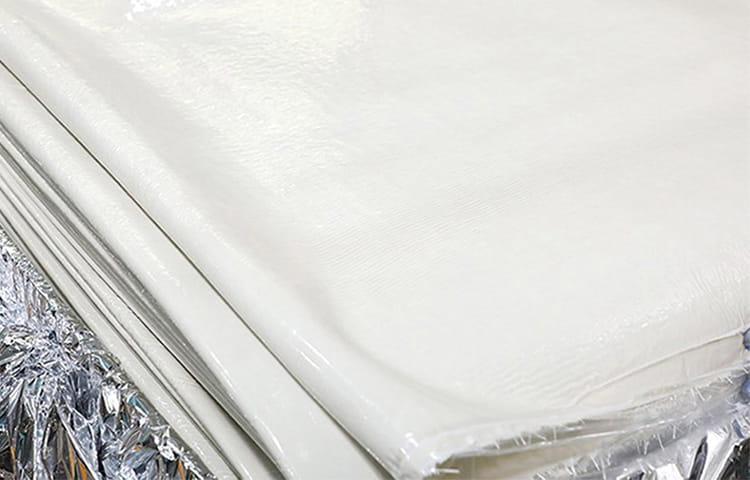
The first material decision you face is choosing between SMC and BMC. Each serves a different purpose. SMC works best for larger, flatter structural parts that need higher strength and stiffness. BMC fits small, complex components with fine details. Your part geometry and size point you to the right base material.
Determine SMC vs. BMC Fit
Part geometry often decides the base material for you. The sheet molding compound contains glass fibers typically 25 to 50 mm in length, providing excellent strength and dimensional stability. The longer fibers flow differently during molding. This makes SMC ideal for large panels, automotive body parts, and structural components. BMC uses shorter chopped strands with lower reinforcement content. These shorter fibers flow easily into tight spaces, ribs, and bosses. So you choose BMC for electrical boxes with complex inserts or detailed housings.
Review your part model and drawings early. Identify deep sections, ribs, bosses, and flange areas. These features influence material placement and flow. A large flat panel needs SMC. A small part with many features needs BMC. This choice sets the direction for everything that follows.
Assess Mechanical and Environmental Loads
Once you know the base material, define the loads and conditions your part must survive. Start with mechanical strength. Will the part bear weight or resist impact? The tensile and flexural properties of your sheet molding compound must meet those demands. Next consider operating temperature. Standard polyester resins handle moderate heat. Vinyl ester or epoxy resins extend the range for hotter environments. Check UV and chemical exposure. Outdoor parts need UV stabilizers and good weatherability. Parts near chemicals need corrosion-resistant resin systems. Flame and smoke ratings matter for electrical and construction applications. High flame retardancy demands a specific grade. For example, specific grades achieve high flame retardancy ratings that meet strict safety standards.
Gather your targets for each category before you contact a supplier. Request material certificates and test reports for tensile, flexural, and dielectric properties. These documents prove the material can meet your requirements. Run a formal trial with defined KPIs for dimension tolerance, mechanical targets, and surface quality. This aligns expectations up front.
A common mistake is treating material selection as a finished decision before tooling engineering begins. The two stages influence each other. If the reinforcement cannot conform to a required feature, the geometry may need modification. If the geometry cannot change, a different reinforcement strategy may be required. So define your requirements early and review them with your supplier.
Map Sheet Molding Compound Composition to Performance
Composition drives performance. Every ingredient in your sheet molding compound changes how the final part behaves. You need to understand this link before you approve any data sheet.
Resin Systems and Glass Reinforcement
The matrix resin forms the backbone of your compound. Unsaturated polyester offers a good balance of cost and performance for general applications. Vinyl ester resists corrosion far better, so you choose it for parts exposed to chemicals or moisture. Epoxy delivers the highest thermal resistance and mechanical strength, which suits demanding aerospace or industrial uses. Your operating environment points you to the right resin family.
Glass content and fiber length control strength and flow. SMC carries glass fibers typically 25 to 50 mm in length. This high reinforcement content gives SMC its excellent strength and dimensional stability. BMC uses shorter chopped strands with lower reinforcement content. Those shorter fibers flow into tight ribs and bosses without breaking. Longer fibers in SMC resist bending and impact better, but they restrict flow in thin sections. So you trade flow behavior against structural performance with every glass specification.
Fillers and Functional Additives
Fillers lower cost and improve surface quality. Mineral fillers such as calcium carbonate reduce expense while enhancing surface finish and rigidity. Calcium carbonate has a typical density of about 2.7 g/cm³. Standard SMC typically contains unsaturated polyester resin, glass fibers 25 to 50 millimeters in length, fillers such as calcium carbonate and aluminum trihydrate, thickeners, initiators, and low-shrinkage additives. Each component plays a role in the final property set.
Low-profile additives control shrinkage dramatically. Standard SMC without these additives shrinks between 0.20 and 0.50 percent. Low-profile SMC shrinks less than 0.05 percent. That difference decides whether your part holds tight tolerances or warps after molding.
SMC Type | Shrinkage Range |
|---|---|
Standard SMC (no low-profile additives) | 0.20–0.50% |
Low-Profile SMC (with low-profile additives) | <0.05% |
Flame retardants and UV stabilizers address safety and durability. Aluminum trihydrate releases water when heated, which suppresses fire and smoke. A flame-retardant grade meets strict flammability standards for electrical and transit parts. UV stabilizers protect outdoor panels from sunlight degradation. You match each additive to a specific threat your part will face.
Review the full formulation with your supplier. Ask how each ingredient affects your target properties. This step connects composition to real-world performance.
Understand Sheet Molding Compound Grades
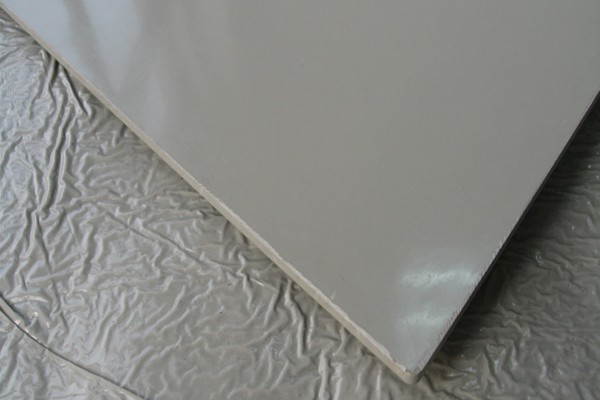
Manufacturers organize their sheet molding compound into standard grades, each targeting a specific set of properties. You find grades labeled with specific codes that tell you what the material does. They help you navigate data sheets and compare options quickly. Understanding this system saves you time and prevents specification errors. You match the code to your application without guesswork.
Standard Grades and Industry Codes
Some grades offer zero shrinkage, maintaining tight dimensional tolerances after molding and preventing warping around ribs or bosses. Other grades focus on high flame retardancy, meeting strict flammability standards for electrical enclosures or transit parts that must resist ignition. Some grades deliver a smooth, paintable surface right out of the mold, often used for automotive exterior panels.
Suppliers test their grades against recognized standards. You see these methods listed on every material certificate. For flexural strength and modulus, manufacturers use ISO 178 or ASTM D790. For tensile strength and elongation, they apply ISO 527-4 or ASTM D638. Manufacturers measure impact resistance with ISO 179 (Charpy) or ASTM D256 (Izod). Hardness comes from ASTM D2583 (Barcol hardness). Glass content follows ISO 1172 or ISO 11667. These standardized methods let you compare grades across suppliers. This consistency helps you make informed decisions.
Outdoor grades include UV weathering per ISO 4892-2 (Xenon Arc) or ASTM G155. Long-term durability data comes from creep testing per ISO 899-2. Some applications need thermal shock cycling at ±40°C for 100 cycles. This combination of tests gives you a complete performance picture. Start by listing your critical properties. Then find the grade that meets each requirement. Your supplier provides the test reports to confirm compliance.
Custom Formulations for Specific Needs
Standard grades cover most applications well. Sometimes your requirements fall outside their range. You might need a unique color that no standard grade offers. Your part may face extreme thermal cycling from -40°C to 150°C every day. Maybe your dimensional tolerance is tighter than the standard grade delivers. These situations call for a custom formulation. The standard catalog simply does not cover them.
Custom formulation starts with a clear specification. You define the exact properties you need. The supplier selects the right resin, glass content, fillers, and additives. You target a specific shrinkage value, flame rating, or surface finish not in the catalog. For example, you combine zero-shrinkage behavior with a custom color and enhanced UV stability. No single standard grade provides that combination.
Custom formulations involve trade-offs. First, lead time increases. The supplier needs time to formulate, mix, test, and validate the new compound. Expect several weeks of development. Second, cost rises. Custom batches require dedicated raw materials and extra quality checks. You pay more per kilogram than for a standard grade. Third, minimum order quantities may be higher.
Despite these costs, a custom formulation sometimes delivers the perfect fit. Your application runs better and lasts longer. The added cost offsets the risk of using a material that almost meets your needs. Discuss your unique requirements with the supplier early. Share your target properties and test criteria. Let the supplier recommend adjustments that balance performance with cost and lead time. This collaborative approach ensures you get the right sheet molding compound for your specific need.
Balance Cost and Processability
Evaluate Cure Time and Mold Flow
Process parameters shape your part cost as much as raw material does. Cure time sets your cycle time. A fast-curing resin lets you eject parts sooner and run more cycles per shift. High-performance resins often need longer cure cycles. That extra time raises the cost of every part you produce. Molding pressure matters too. Compression molding for SMC runs at 7–35 MPa. Injection molding needs 70–120 MPa. Lower clamping pressure reduces equipment cost. This is the main reason compression presses cost far less per ton of clamp capacity.
Mold design also drives your tooling budget. You choose among three main options:
Positive molds produce dense, consistent parts with no waste. They demand precision tooling and exact material measurements.
Flash molds cost less to build and run. They yield less uniform parts and require post-process trimming.
Semi-positive molds balance part quality and process control. They forgive minor process variation better than positive molds.
Compression molding tooling costs $5,000–$30,000. Injection molding tooling runs $10,000–$100,000 or more. If you prioritize low tooling cost for general-purpose parts, a flash-type mold is the most economical choice. If you need maximum density and minimal waste, a positive mold justifies its higher price. Material consistency keeps these calculations stable. Modern manufacturing practices ensure stable quality and cost efficiency across production runs.
Production Volume and Material Cost
Your production volume decides whether a standard grade or a custom sheet molding compound makes financial sense. High-volume runs of simple parts favor standard grades. The material costs less per kilogram. You avoid development fees and minimum order premiums. Tooling amortizes across thousands of parts. Your unit cost drops with every cycle.
Low-volume, high-performance applications tell a different story. A custom formulation may cost more per kilogram. It also adds weeks of lead time. Yet the perfect fit can reduce scrap, rework, and field failures. Those savings often outweigh the higher material price. Run the numbers for your own project. Compare total cost per acceptable part, not just cost per kilogram. This comparison reveals the true winner.
Selecting the right sheet molding compound starts with defining your application's critical demands—strength, environment, and geometry—then matching those demands to a specific grade or formulation. First, you choose between SMC and BMC based on part size and complexity. Next, you map resin, glass, and filler composition to the performance your part needs. Then you evaluate standard grades against your requirements. Finally, you balance cost with processability. This structured approach prevents material failure and cost overruns. You avoid mismatches that waste time and money. Follow these steps, and your material selection becomes a reliable engineering decision, not a gamble. Each step builds on the last.
FAQ
How do I know if my part needs SMC or BMC?
Look at your part size and shape. Large, flat structural panels need SMC for higher strength and stiffness. Small, complex parts with ribs and bosses need BMC. Its shorter fibers flow into tight spaces without breaking.
What glass content should I target?
SMC carries high glass reinforcement with fibers typically 25 to 50 mm in length. BMC uses shorter chopped strands with lower reinforcement. Higher glass content boosts strength and dimensional stability. Lower content improves flow into complex geometry.
Why does shrinkage matter for my application?
Standard SMC shrinks between 0.20 and 0.50 percent. Low-profile SMC shrinks less than 0.05 percent. Tight tolerances and warping concerns demand low-shrinkage grades. Loose tolerances and simple shapes tolerate standard shrinkage.
When should I choose a custom formulation?
Standard grades cover most needs. Choose custom when you need a unique color, extreme thermal cycling, or tolerances beyond catalog grades. Expect longer lead times and higher costs. The perfect fit often offsets those trade-offs.
How does cure time affect my part cost?
Fast-curing resins shorten cycle times and raise output per shift. High-performance resins often need longer cure cycles. That extra time raises the cost of every part. Balance performance needs against production speed.