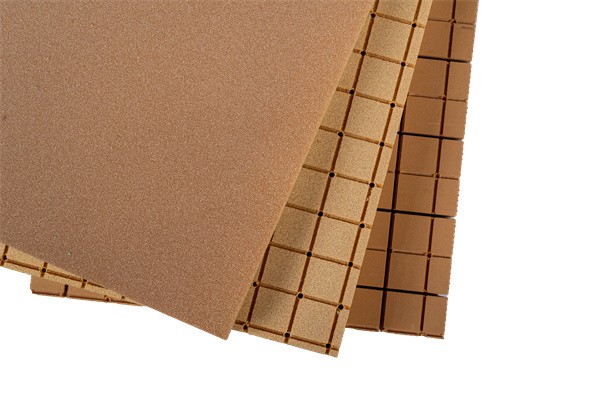
What is the difference between EVA foam and PVC foam
EVA foam is softer, lighter, and more eco-friendly. PVC foam is stronger, more durable, and more cost-effective. EVA foam, or ethylene-vinyl acetate foam, is a spongy closed-cell material. PVC foam, or polyvinyl chloride foam, is a rigid and dense material. You will see how these two foams differ in flexibility, weight, water resistance, cost, and environmental impact. You will also learn about their pros, cons, and common uses. This guide helps you pick the right foam for your project. Your choice depends on your needs, budget, and priorities.
Key Takeaways
EVA foam is soft, light, and comfortable. It works best for products that need cushioning, like shoes and gym mats.
PVC foam is strong, durable, and cost-effective. It suits structural uses, such as construction panels and marine decks.
Both foams resist water well. EVA foam is chlorine-free and burns cleanly. PVC foam contains chlorine and needs careful disposal.
EVA foam costs more but offers better comfort. PVC foam costs less and lasts longer in tough conditions.
Your choice depends on your project needs. Pick EVA for comfort and light weight. Pick PVC for strength and lower cost.
What Is EVA Foam?
Definition And Makeup
EVA foam starts as ethylene-vinyl acetate, a copolymer you will find in many soft products. Manufacturers blend ethylene with vinyl acetate to create a flexible plastic. This blend then expands into a spongy, closed-cell foam. The closed-cell structure traps tiny gas bubbles inside each cell. Those sealed bubbles give the foam its cushioning feel and keep water out.
The vinyl acetate content shapes how soft or firm the final foam becomes. Higher vinyl acetate concentrations (typically 18-28 wt%) enhance flexibility and adhesion properties. EVA resin with a vinyl acetate content of 15% to 40% is used for foam plastic products. This wide range explains why EVA foam appears in so many different forms. Global demand reflects that versatility. In 2023, the global EVA production reached nearly 4.2 million metric tons, with over 1.7 million metric tons utilized solely by the Asia-Pacific region.
Core Properties
EVA foam feels light in your hand and springs back when you press it. Its low density delivers strong cushioning and shock absorption. Footwear midsoles typically fall in the 80–120 kg/m³ density range, according to the EVA foam density guide from Damao Tech. That density keeps shoes comfortable without adding bulk. The material also resists water well. Closed cells block moisture from soaking through, so the foam holds up in damp conditions.
Hardness varies by grade and formulation. Shore OO hardness range for typical EVA foam: 10–60, depending on grade and formulation. Typical Shore OO hardness for EVA foam: 45–55 (ISO 868 / ASTM D2240). You can pick a softer grade for cushioning or a firmer one for structure. These traits make EVA foam a natural fit for footwear, gym mats, and protective cases. The same shock-absorbing quality protects delicate items inside a case. Gym mats rely on it to soften falls. Footwear uses it to keep every step comfortable.
What Is PVC Foam?
Definition And Makeup
PVC foam is polyvinyl chloride foam, a harder, denser, and more rigid material than EVA foam. Manufacturers create it by blending PVC resin with blowing agents, stabilizers, and other additives. The blowing agent releases gas during heating, which expands the resin into a cellular structure. This process produces a foam with strong mechanical properties and a uniform cell structure.
The choice of blowing agent shapes the final foam. Azodicarbonamide is mostly used in PVC Plastisol foam because it is cost effective and helps to release a large amount of gas to create the foam. Other options include sodium bicarbonate and ammonium bicarbonate for lower processing temperatures, and physical agents like supercritical carbon dioxide or nitrogen for crosslinked structural foams. The global PVC foam market reflects this broad utility. You can see the growth trajectory in the table below.
Metric | Value |
|---|---|
Market Value (2025) | USD 1.27 Billion |
Projected Market Value (2035) | USD 2.16 Billion |
CAGR (2027–2035) | 5.5% |
Core Properties
PVC foam delivers durability, wear resistance, chemical resistance, and thermal insulation. Its closed-cell structure blocks moisture and resists many industrial chemicals. These traits make it a reliable core material for demanding environments. Thermal insulation performance is a key strength. Closed cell foam insulation (NBR/PVC) shows a thermal conductivity of 0.033–0.040 W/m·K (0.23–0.28 BTU·in/hr·ft²·°F). That low value means the foam slows heat transfer effectively.
Union Composites stands as a leading PVC foam manufacturer and supplier. The company offers grades such as UNION PVC FOAM-P45, P60, P80, P100, P130, P200, and P250. Each grade provides consistent density and easy fabrication. The foam is eco-friendly and safe, formulated without harmful substances. You will find it in construction, automotive, packaging, and marine industries. Union Composites also provides customized solutions for unique shapes and sizes.
Head-To-Head Comparison
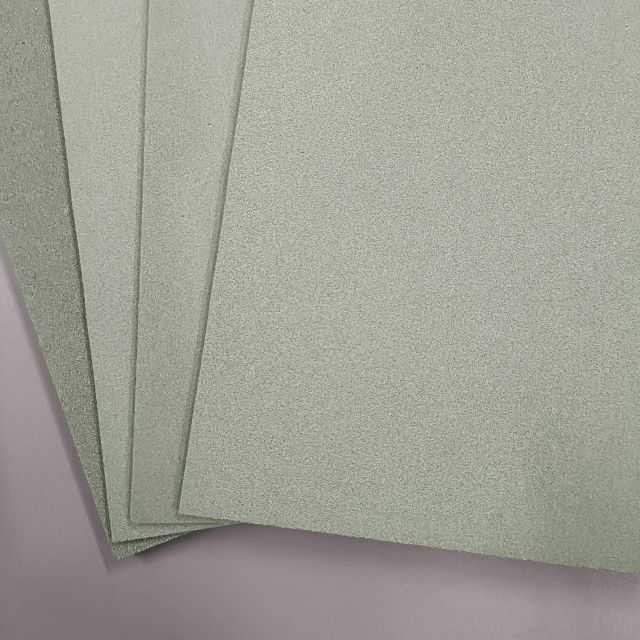
Flexibility, Weight, And Durability
You will notice the biggest gap between these foams when you pick them up. EVA foam is lighter than PVC foam. Think about a pair of EVA slippers versus PVC slippers. The EVA pair feels almost weightless on your feet. The PVC pair feels solid and heavy.
EVA foam wins on comfort and cushioning. Its soft closed-cell structure compresses under pressure and bounces back. PVC foam is harder, denser, and more rigid. You can flex an EVA mat with your hands. A PVC foam board resists bending.
Durability tells a different story. PVC foam may outperform EVA in wear resistance. Its dense structure handles repeated friction and heavy loads. EVA foam can compress over time in high-wear applications. A gym mat made of EVA foam may flatten in busy areas. A PVC foam panel in the same setting holds its shape.
EVA foam excels in flexibility and shock absorption. Its low density and high closed-cell content absorb impacts well. You feel this quality in footwear midsoles and protective cases. PVC foam trades some flexibility for strength. That trade-off suits structural applications where rigidity matters more than cushioning.
Water Resistance, Toxicity, And Eco-Impact
Both foams resist water well. Their closed-cell structures block moisture from soaking through. EVA foam performs strongly here because of its low density and high closed-cell content. You can use it in damp conditions without worrying about water damage. PVC foam also keeps water out. Its dense cells create a reliable barrier.
Toxicity and environmental impact require a closer look. EVA foam contains no chlorine. It burns cleanly and produces no toxic fumes in normal use. Many manufacturers now offer EVA foam made with recycled content. PVC foam contains chlorine. When burned, PVC can release harmful substances like dioxins. This fact raises concerns about disposal and recycling.
The picture is not one-sided. Modern PVC foam production has improved. Union Composites formulates its PVC foam without harmful substances. The company prioritizes eco-friendly materials and safe manufacturing. You can find PVC foam grades that meet strict environmental standards.
Recyclability remains a challenge for both materials. EVA foam is difficult to recycle because of its crosslinked structure. PVC foam faces similar hurdles. Mechanical recycling works for some PVC foam products. Chemical recycling shows promise but remains limited in scale.
Your choice depends on your priorities. Pick EVA foam for comfort, light weight, and clean burning. Pick PVC foam for rigidity, durability, and thermal insulation. Both materials serve important roles across industries. Neither option is universally better. You must weigh the trade-offs for your specific project.
Cost And Eco-Friendliness
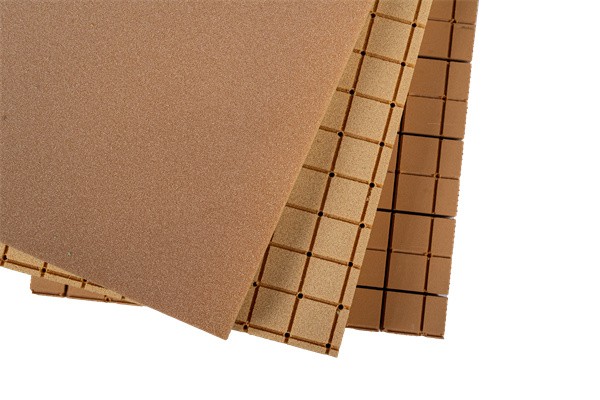
Price And Value
You see a clear difference when comparing costs. EVA foam tends to cost more per unit volume. Its raw material prices and processing requirements drive the price higher. PVC foam generally offers lower material costs. This makes it the budget-friendly choice for many projects. The price gap matters most for large-scale applications. A construction project using foam core panels saves more money with PVC foam than with EVA foam. Lower density grades provide good structural performance at a fraction of the cost. You get strong, rigid boards without paying a premium.
EVA foam costs more upfront but delivers better cushioning and comfort. Your choice depends on what you value most. Pay more for softness with EVA foam or spend less for rigidity with PVC foam. Think about the total value of your project. A durable PVC foam panel lasts years in harsh conditions. An EVA foam mat may need replacement sooner in high-wear areas. Long-term value often favors PVC foam for structural applications. You must weigh initial cost against expected lifespan.
Recyclability And Sustainability
Recycling both foams presents real challenges. EVA foam uses a crosslinked molecular structure. That structure makes it difficult to melt down and reform into new products. You cannot simply heat and reshape crosslinked foam. PVC foam faces similar hurdles. Its chlorine content limits recycling options. Most foam waste ends up in landfills. Mechanical recycling works for some PVC foam products. You grind the foam into particles and use them as filler in new materials. Chemical recycling shows promise but remains expensive and limited in scale.
Sustainability efforts continue for both materials. Manufacturers now create EVA foam with recycled content. You can find eco-friendly grades that reduce virgin material use. Union Composites formulates its PVC foam without harmful substances. You get a product that meets environmental standards without sacrificing performance. Neither foam offers a perfect recycling solution today. You must consider the full lifecycle of your project. Choose the material that balances your performance needs with your environmental goals. Always check supplier certifications for both materials before making your final decision.
Quick Comparison Table
Side-By-Side Overview
You can see the core differences at a glance in the table below. It compares the seven factors that matter most when you choose between these two foams. Use it as a starting point, then dig into the details in the sections that follow.
Property | EVA Foam | PVC Foam |
|---|---|---|
Flexibility | Soft and springy; 60–95 Shore A | Rigid and stiff; 70–100 Shore D |
Weight | Light; 32–190 kg/m³ (2–12 lb/ft³) | Heavier and denser |
Durability | Good, but compresses over time | Strong wear and abrasion resistance |
Water Resistance | Excellent; under 1.5 wt% water absorption after 24-hour immersion (ASTM D570) | Excellent; closed-cell barrier |
Toxicity | Chlorine-free; burns without toxic fumes | Contains chlorine; can release harmful substances when burned |
Cost | Higher per unit volume | Generally more cost-effective |
Eco-Impact | Recycled grades available; hard to recycle | Eco-friendly formulations exist; recycling remains limited |
The hardness numbers tell you a lot about how each foam behaves in your hands. EVA foam sits in the 60–95 Shore A range, which covers shoe midsoles, yoga mats, and protective pads. PVC foam lands in the 70–100 Shore D range, a much harder scale that suits PVC soles, rigid containers, and pipes. Those two scales do not overlap, so the gap in feel is real and easy to notice.
Weight and water resistance separate them further. EVA foam density runs from 32–190 kg/m³, and automotive floor mat grades typically fall between 80–120 kg/m³. PVC foam carries more mass for the same volume. Both foams block water well, but EVA foam keeps absorption under 1.5 wt% after a 24-hour soak. Cost and eco-impact round out the picture. PVC foam usually costs less, while EVA foam offers cleaner burning and recycled options. Neither material wins every row.
Pros And Cons Of EVA Foam
Advantages Of EVA Foam
You get several clear benefits when you choose EVA foam for your project. The material feels light in your hand, so you can carry it without strain. Its soft texture delivers excellent cushioning. You feel this quality in every step when you wear EVA footwear. The foam also absorbs shock well. Biomechanical studies show that EVA midsoles reduce peak force by 30–40% compared to non-cushioned constructions. They also extend impact duration by 18–25 milliseconds. These numbers explain why runners trust EVA shoes for comfort.
EVA foam resists water effectively. Its closed-cell structure blocks moisture from soaking through. You can use it in damp conditions without worry. The material also offers good flexibility. You can bend and flex it without cracking. Energy return sits at 45–55% according to ASTM D2632 rebound resilience testing. This means the foam bounces back after compression. EVA also maintains performance under sunlight or moisture exposure. Its UV resistance rating is good, so it resists degradation from ultraviolet light.
Disadvantages Of EVA Foam
EVA foam has real limits you should know about. The material is less durable than PVC foam in high-wear applications. It may compress over time with repeated use. A gym mat made of EVA foam can flatten in busy areas. Service life before cushioning degradation exceeds 30% typically falls between 400–600 kilometers for running shoes. That lifespan may not suit every project.
UV exposure can break down EVA over time. You should store EVA products away from direct sunlight to extend their life. The foam also struggles with heavy loads. Its soft structure deforms under constant pressure. EVA foam costs more per unit volume than PVC foam. You pay a premium for comfort and light weight. The material also faces recycling challenges. Its crosslinked structure makes melting and reshaping difficult. Most EVA foam waste ends up in landfills. You must weigh these drawbacks against the benefits before you commit to EVA foam for your application.
Pros And Cons Of PVC Foam
Advantages Of PVC Foam
You get real strength when you choose PVC foam for a project. The material holds its shape under heavy loads. Its dense structure resists wear and abrasion far better than softer foams. A PVC foam panel in a busy walkway keeps its surface intact for years. You will not see the flattening that plagues softer materials. This durability makes PVC foam a smart pick for structural cores, marine decks, and industrial flooring.
Chemical resistance sets PVC foam apart. It stands up to many oils, acids, and solvents that would damage other materials. You can use it in factories, laboratories, and outdoor installations without worry. Thermal insulation adds another layer of value. Closed-cell PVC foam shows a thermal conductivity of 0.033–0.040 W/m·K. That low value means the foam slows heat transfer effectively. Your building or vehicle stays warmer in winter and cooler in summer. Cost-effectiveness rounds out the list. PVC foam generally costs less per unit volume than EVA foam. You get strong, rigid performance without paying a premium.
Disadvantages Of PVC Foam
PVC foam carries real drawbacks you should weigh. The material feels heavier and denser than EVA foam. You notice the extra weight when you lift a PVC foam board. That mass suits structural work but not portable products. The foam is also harder and less comfortable. You would not want a PVC foam yoga mat or a PVC foam shoe midsole. Your feet and joints would feel the difference immediately.
Flexibility is another weak point. PVC foam resists bending, which limits its use in products that need to flex. Environmental concerns also matter. PVC foam contains chlorine. When burned, it can release harmful substances like dioxins. This fact raises questions about disposal and recycling. Recycling remains limited for both foams, and most PVC foam waste ends up in landfills. You must balance these drawbacks against the material's strength and cost savings. For rigid, durable applications, the trade-offs often make sense. For soft, flexible products, EVA foam usually wins.
Real-World Applications
Common Uses Of EVA Foam
You will find EVA foam in products that need comfort and shock absorption. Footwear ranks as the biggest user. Shoe makers mold EVA into midsoles that soften every step. Sports gear also relies on this material. Helmet liners, shin guards, and chest protectors use EVA foam to absorb impact. Gym mats represent another common application. Yoga studios and fitness centers cover their floors with interlocking EVA tiles. These tiles cushion falls and protect joints during exercise.
Protective cases offer a different use. You can line a camera case or tool box with EVA foam to guard delicate items. The foam holds its shape and resists moisture. Craft foam gives you another option. Hobbyists cut and shape thin EVA sheets for cosplay armor, school projects, and decorative art. The material takes paint and glue well. These varied uses show why EVA foam appears in so many everyday products.
Common Uses Of PVC Foam
PVC foam serves industries that demand strength and durability. Construction crews use it as a core material in composite panels, walls, and insulation systems. Automotive manufacturers build interior panels, underbody shields, and structural components from this foam. Packaging companies rely on PVC foam to protect heavy equipment during shipping. Marine builders choose it for boat hulls, decks, and bulkheads because it resists water and chemicals. Signage producers cut PVC foam into letters, displays, and exhibition boards. Industrial fabrication shops machine it into jigs, fixtures, and tooling aids.
Union Composites offers customized PVC foam solutions for unique shapes and sizes. You can request specific dimensions, densities, and grades to match your project. The company serves distributors, manufacturers, and end-users across the globe. Whether you need standard sheets or tailored designs, Union Composites delivers reliable performance.
EVA foam gives you softer cushioning and lighter weight for comfort-focused products. PVC foam delivers stronger durability at a lower cost for structural applications. Pick EVA for footwear and gym mats. Shock absorption matters most there. Choose PVC for packaging, marine decks, and construction panels. Rigidity and wear resistance decide those outcomes. Your final choice depends on your project needs. Budget limits and environmental priorities guide your decision. Neither material wins every comparison. You must weigh the trade-offs carefully. Consider each foam's performance under your specific conditions. A balanced approach serves you better than assuming one option fits all needs.
FAQ
Which foam works better for shoes and gym mats?
EVA foam wins here. It feels soft, cushions every step, and absorbs shock well. PVC foam is too hard and rigid for products that touch your body. Pick EVA foam when comfort matters most.
Is PVC foam safe to use?
Yes, when you buy from a reputable supplier. Union Composites formulates its PVC foam without harmful substances. The chlorine content only becomes a concern when someone burns the material. Normal use in construction, packaging, and marine applications poses no risk to you.
Does EVA foam hold up in water?
EVA foam handles water very well. Its closed-cell structure blocks moisture from soaking through. You can use it in damp conditions without worry. Just keep it out of direct sunlight, since UV exposure breaks the material down over time.
Why does PVC foam cost less than EVA foam?
PVC foam uses cheaper raw materials and simpler processing. That lower cost makes it the budget-friendly pick for large projects. You get strong, rigid performance without paying a premium. EVA foam costs more because of its softer formulation and comfort benefits.
Can I recycle either foam?
Recycling is hard for both materials. EVA foam has a crosslinked structure that resists melting. PVC foam faces similar limits from its chlorine content. Most foam waste ends up in landfills. Check supplier certifications and recycled-content options before you buy.